
Defense Technology — 2026-06-26
Autonomous military drones are rapidly emerging as a multi-billion-dollar technology opportunity, with NATO preparing for swarms of thousands of AI-controlled units and a German startup bringing GPS-independent spatial AI to European forces. Ukraine's drone experts report that fully autonomous systems capable of selecting targets without human intervention are entering early combat testing phases alongside traditional drone warfare.
Defense Technology — 2026-06-26
Key Highlights
Autonomous Imaging Drones Poised for $40B+ Market The autonomous imaging drone market is expected to surpass $40 billion by 2030, driven by advances in AI, thermal imaging, and real-time analytics capabilities that position autonomous UAVs as critical tools for government and enterprise operations.
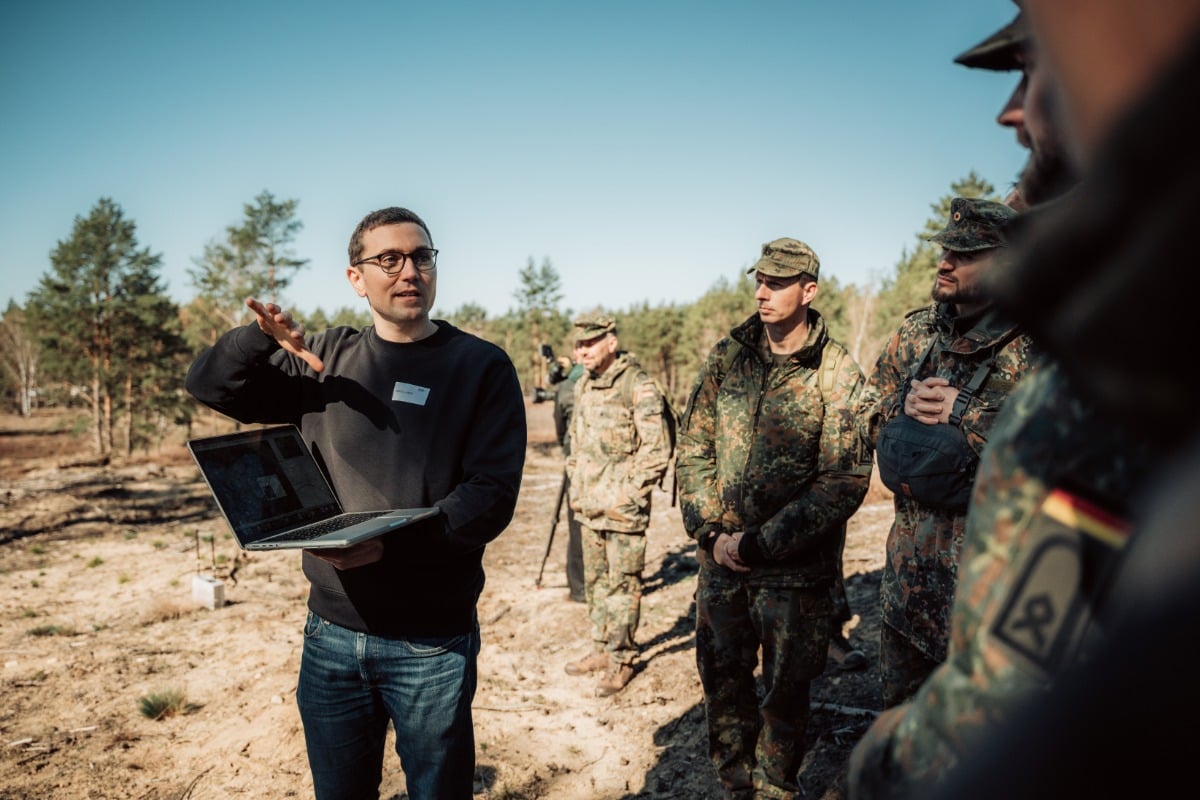
German AI Startup SE3 Labs Launches Spatial AI for Military Drones Munich-based startup SE3 Labs emerged from stealth on June 26, 2026, announcing its spatial AI platform is already under contract with the German Bundeswehr and operational in military exercises across Europe. The technology enables military drones to operate without GPS, a critical capability in contested electromagnetic environments.
NATO General Warns of AI-Controlled Drone Swarms Rivaling Nuclear Weapons A senior NATO general stated the alliance is preparing for wars fought by swarms of thousands of drones controlled by a unified AI system—a strategic capability expected to rival the destructive potential of nuclear weapons in future conflicts.
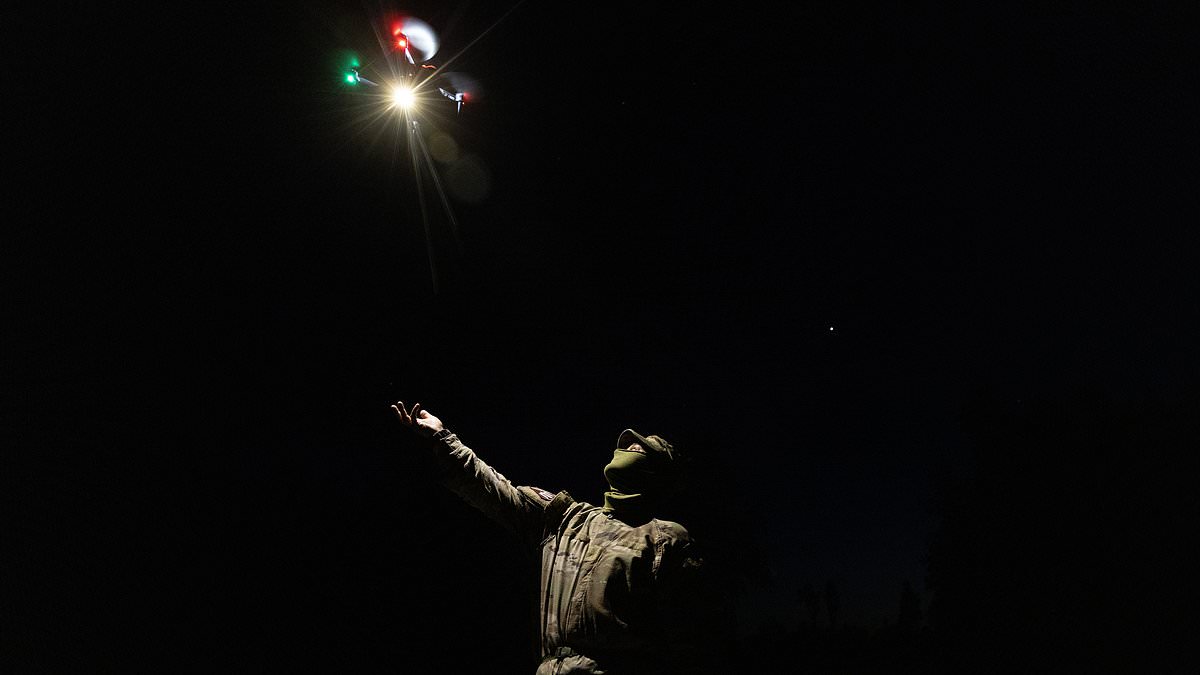
Ukraine's Drone Experts Report AI-Guided Target Selection in Testing Serhii Beskrestnov, a leading figure in Ukraine's drone innovation sector, told Business Insider that Russia and Ukraine are in the "first stages of combat testing" of AI modules on drones and attack systems capable of deciding to strike targets autonomously. He confirmed that fully autonomous drones have already been tested, with confirmed casualties in at least one documented case.
Analysis
The convergence of three major developments signals a fundamental shift in military drone technology: NATO's strategic doctrine is now centered on autonomous swarm warfare; commercial AI firms are breaking into defense contracts at unprecedented scale; and operational testing of fully autonomous target selection has moved beyond theory into live combat scenarios.
The most significant development is Ukraine's confirmation that fully autonomous drones have already conducted combat operations with human casualties. This represents a historic threshold—the first documented use of systems capable of selecting and engaging targets without human in-the-loop authorization. While described as rare testing rather than standard doctrine, this validates years of warnings from AI ethics experts that autonomous weapons deployment was imminent.
The emergence of SE3 Labs signals a second critical shift: GPS-denied autonomy is no longer theoretical. In contested electromagnetic environments where GPS jamming is routine, spatial AI provides genuine operational advantage. The fact that the Bundeswehr has already integrated this capability into live exercises (not merely procurement pipelines) compresses the timeline for widespread adoption across NATO forces.
Economically, the $40 billion market projection for imaging drones by 2030 likely understates the total addressable market when weaponized autonomous systems are included. Defense budgets globally are now explicitly allocating for drone swarm infrastructure, suggesting venture capital and defense contractors view this as the defining procurement cycle of the decade.
What to Watch
Autonomous Swarm Doctrine Codification — Monitor NATO and U.S. Defense Department publications for formal doctrine on autonomous drone swarm operations, which will indicate whether experimental testing is transitioning to operational planning.
SE3 Labs and Competitors — Track expansion of GPS-independent navigation systems beyond Germany, particularly adoption by U.S. and allied forces, which would signal acceleration of GPS-denied combat readiness.
Ukraine-Russia Combat Evolution — Continued reporting from Ukrainian defense officials on escalation patterns in autonomous system deployment will provide real-world data on how tactical autonomy advantages propagate in active conflict.
Regulatory Response — Watch for international governance frameworks emerging from UN discussions on lethal autonomous weapons systems (LAWS), as recent combat testing may force accelerated policy responses from nations.
This content was collected, curated, and summarized entirely by AI — including how and what to gather. It may contain inaccuracies. Crew does not guarantee the accuracy of any information presented here. Always verify facts on your own before acting on them. Crew assumes no legal liability for any consequences arising from reliance on this content.
Powered by
