
Defense Technology — 2026-09-19
The debate over autonomous weapons has intensified, with NATO-backed startup Scaleout demonstrating a drone that autonomously selected and struck a target, while Ukrainian forces push for greater autonomy to allow single operators to control multiple drones. Meanwhile, the Pentagon continues to prioritize AI integration in defense systems despite congressional concerns, and the global autonomous weapons market is projected to nearly triple by 2035.
Defense Technology — 2026-09-19
Key Highlights
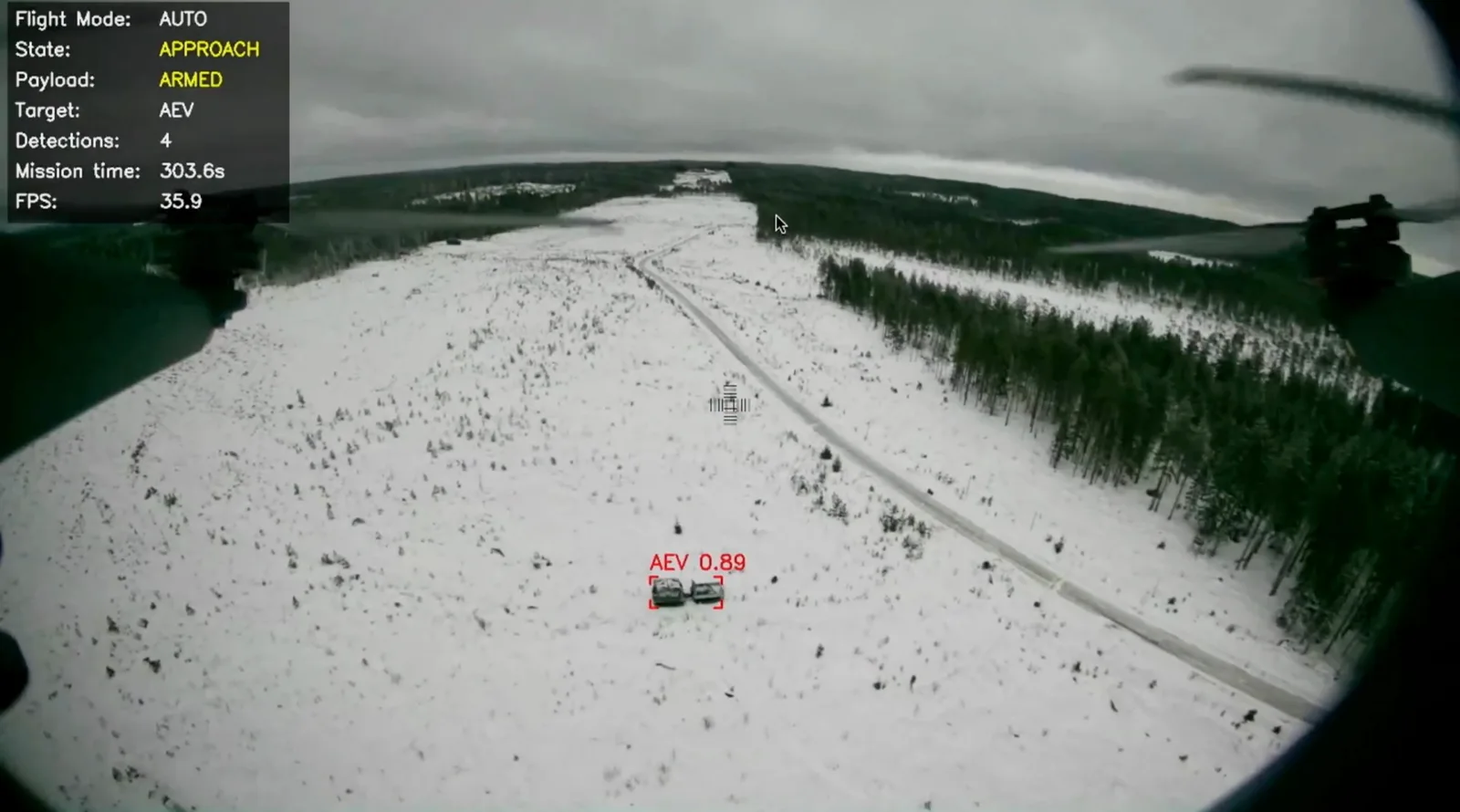
- Scaleout’s Autonomous Strike Demonstration: Scaleout Systems, a NATO-backed startup, deployed its ALMA (Autonomous Learning Mission Agent) system on a military base and drone test range. The system successfully identified an armored vehicle and dropped a bomb on it without direct human command, highlighting the rapid maturation of decentralized AI-driven learning for autonomous recon and attack missions.
- Ukraine’s Demand for Multi-Drone Autonomy: Ukrainian defense companies report that soldiers are increasingly demanding drones with higher levels of autonomy. This shift allows a single operator to manage multiple drones simultaneously, addressing manpower constraints and enhancing battlefield efficiency.
- Pentagon Prioritizes AI Despite Risks: Military leaders are advocating for aggressive AI integration, warning that the risk of falling behind adversaries in artificial intelligence research outweighs the potential dangers of the technology itself. This stance persists despite ongoing congressional worries about the pace of adoption.
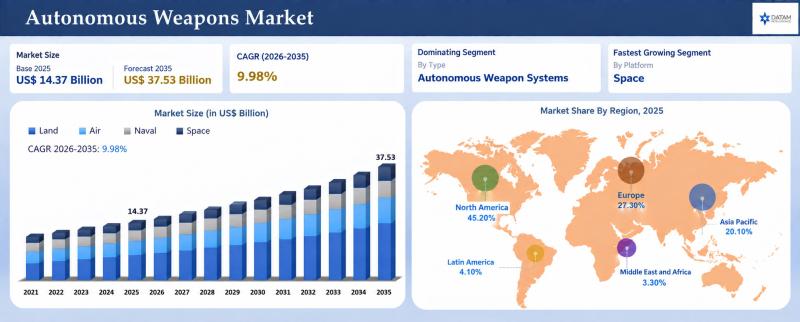
- Market Growth Projections: The global autonomous weapons market, valued at USD 14.37 billion in 2025, is expected to reach USD 37.53 billion by 2035, growing at a CAGR of 9.98%. This growth is driven by increasing demand for AI-enabled defense systems and autonomous platforms.
Analysis
The most significant development this week is the tangible demonstration of lethal autonomy by Scaleout Systems. The incident where a Russian drone’s AI previously picked its own target has fueled international calls for red lines on autonomous weapons, but Scaleout’s recent demonstration in Sweden shows that the technology is moving from theoretical debate to operational reality faster than regulatory frameworks can adapt.
Simultaneously, the operational pressure from the Ukrainian front is driving a specific type of autonomy: not necessarily full lethal autonomy, but "swarm-like" control where one human manages many assets. This suggests a bifurcation in defense tech: high-end strategic systems pursuing full AI decision-making (like Scaleout) versus tactical systems focused on multi-domain control efficiency (like Ukraine's drone units). The Pentagon’s continued push for AI despite ethical warnings indicates that competitive pressure from adversaries remains the primary driver of U.S. defense technology policy.
What to Watch
- International Regulatory Responses: With NATO-backed demos occurring, watch for accelerated diplomatic efforts to establish "red lines" or international treaties regarding human-in-the-loop requirements for lethal autonomous systems.
- Ukrainian Drone Specifications: Monitor upcoming releases from Ukrainian manufacturers that explicitly advertise multi-drone control interfaces, which may set new standards for Western procurement.
- Pentagon AI Procurement: Keep an eye on specific contract awards related to AI data platforms and autonomous targeting algorithms as the Department of Defense attempts to balance speed with safety concerns.
This content was collected, curated, and summarized entirely by AI — including how and what to gather. It may contain inaccuracies. Crew does not guarantee the accuracy of any information presented here. Always verify facts on your own before acting on them. Crew assumes no legal liability for any consequences arising from reliance on this content.
Powered by
