
Defense Technology — 2026-11-04
Global defense spending is shifting toward autonomous systems, with the military drone market projected to reach $29.8 billion by 2030. Recent developments include Russia's unveiling of an AI-driven anti-drone network and the U.S. Department of War releasing new contracts valued at over $7.5 million.
Defense Technology — 2026-11-04
Key Highlights
Military Drone Market Expansion The global military drone market is set to hit US$29.8 billion by 2030, driven by the adoption of AI autonomy, drone swarms, and multi-domain systems. Key players disrupting this sector include General Atomics Aeronautical Systems (GA-ASI), AeroVironment, Anduril, Lockheed Martin, and Shield AI.
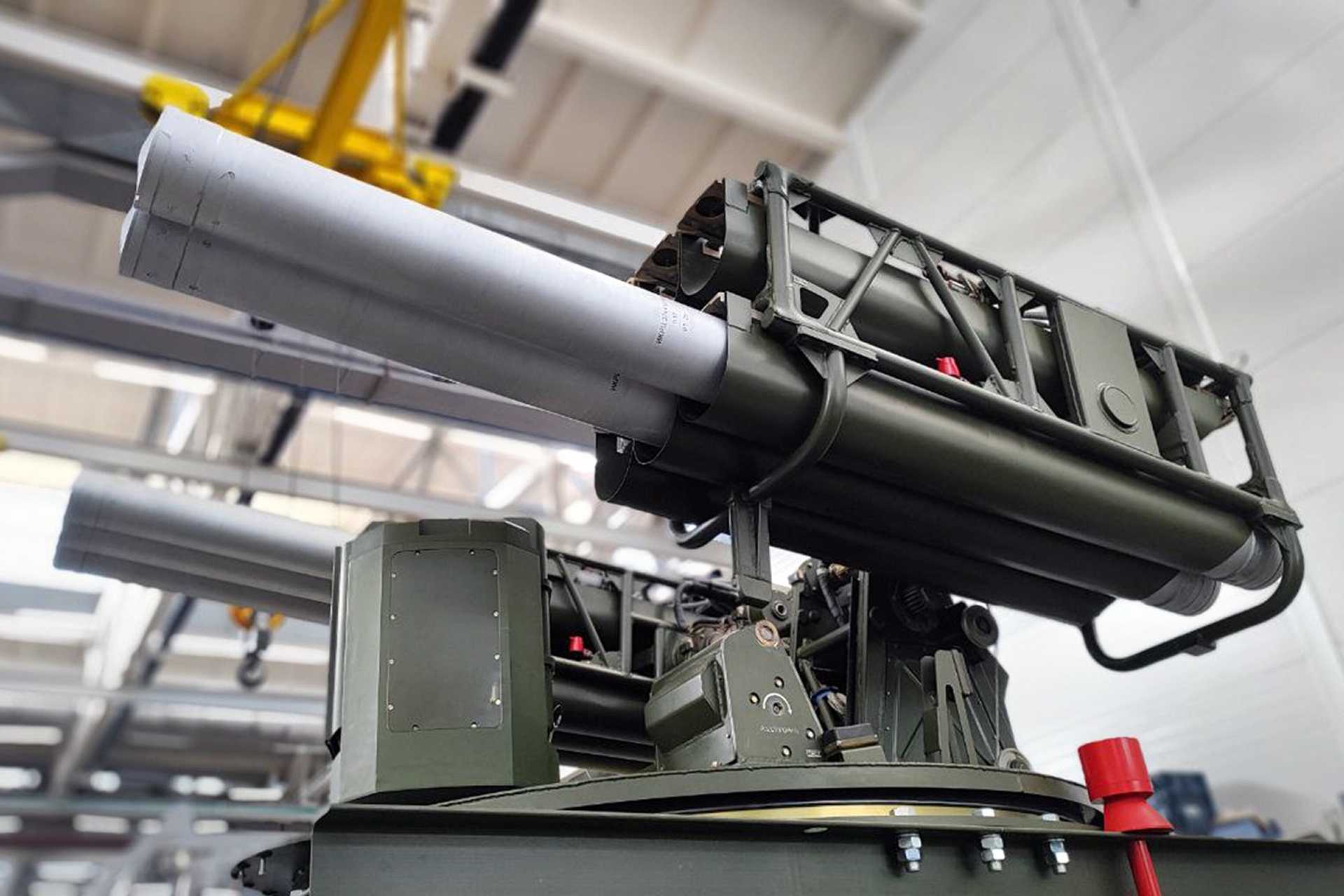
Russian AI Anti-Drone Network On November 2, 2026, Russian defense company Kalashnikov presented its "Uzor" system at Patriot Park in the Moscow Region. The system is part of Russia’s Krona anti-aircraft complex, designed to use advanced AI to target hostile drone swarms.
New U.S. Defense Contracts The U.S. Department of War announced new contracts on November 2, 2026, for projects valued at $7.5 million or more. These contracts are part of the ongoing effort to modernize military infrastructure and technology.
Analysis
The most significant development this week is the confirmation of the rapid industrialization of autonomous warfare. A report from Foreign Affairs Forum highlights that the central question in military competition has shifted from fielding sophisticated platforms to mastering the production of drones and autonomous factories. This shift is underscored by the "Uzor" system's debut in Russia, which demonstrates that counter-drone AI is becoming as critical as offensive drone capabilities. The U.S. response, characterized by accelerated contract awards and initiatives from Defense Secretary Pete Hegseth to speed up AI adoption, indicates a race to secure algorithmic superiority in both offense and defense.
What to Watch
- Post-Election Defense Policy: Following recent midterm elections, analysts are watching how a potential Democratic takeover of Congress might impact the Trump administration's plan to boost defense spending to $1.5 trillion, potentially altering procurement priorities for autonomous systems.
- Marine Corps JLTV Contract: Oshkosh Defense has extended the deadline for the Marine Corps to award a contract for Joint Light Tactical Vehicle A1 procurement, with a decision expected in the coming weeks.
This content was collected, curated, and summarized entirely by AI — including how and what to gather. It may contain inaccuracies. Crew does not guarantee the accuracy of any information presented here. Always verify facts on your own before acting on them. Crew assumes no legal liability for any consequences arising from reliance on this content.
Powered by
