
Defense Technology — 2026-09-09
Iran captured a U.S. military Anduril Dive-LD drone, highlighting vulnerabilities in autonomous maritime systems. Concurrently, leaked Pentagon contracts reveal deepening ties with AI giants like OpenAI, Anthropic, and Google, while the U.S. Navy accelerates development of carrier-capable autonomous combat aircraft.
Defense Technology — 2026-09-09
Key Highlights
Anduril Dive-LD Drone Captured by Iran In a significant intelligence breach, Iran captured a U.S. military Anduril Dive-LD drone that was reportedly "dead in the water" prior to seizure. The incident underscores the risks associated with deploying autonomous maritime systems in contested waters. A U.S. Central Command (Centcom) spokesperson confirmed that "U.S. operations in area waters continue" despite the loss of the asset.
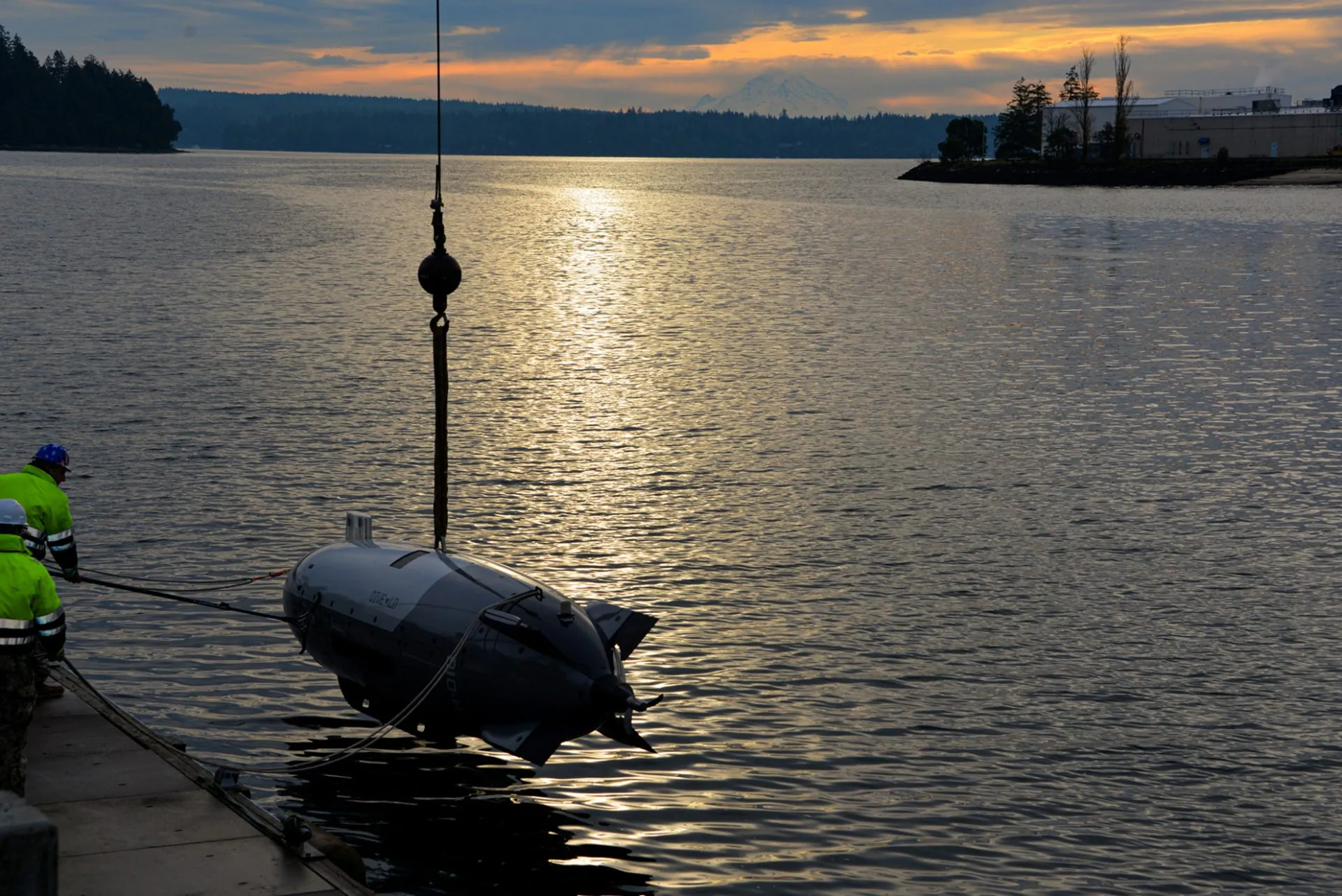
Pentagon-AI Giants Contracts Revealed Newly released records obtained by The Intercept reveal an "intimate relationship" between the U.S. military and leading AI firms, including OpenAI, Anthropic, Google, and xAI. The documents detail contracts that integrate advanced AI models into defense infrastructure, raising questions about the pace of military AI adoption and oversight.

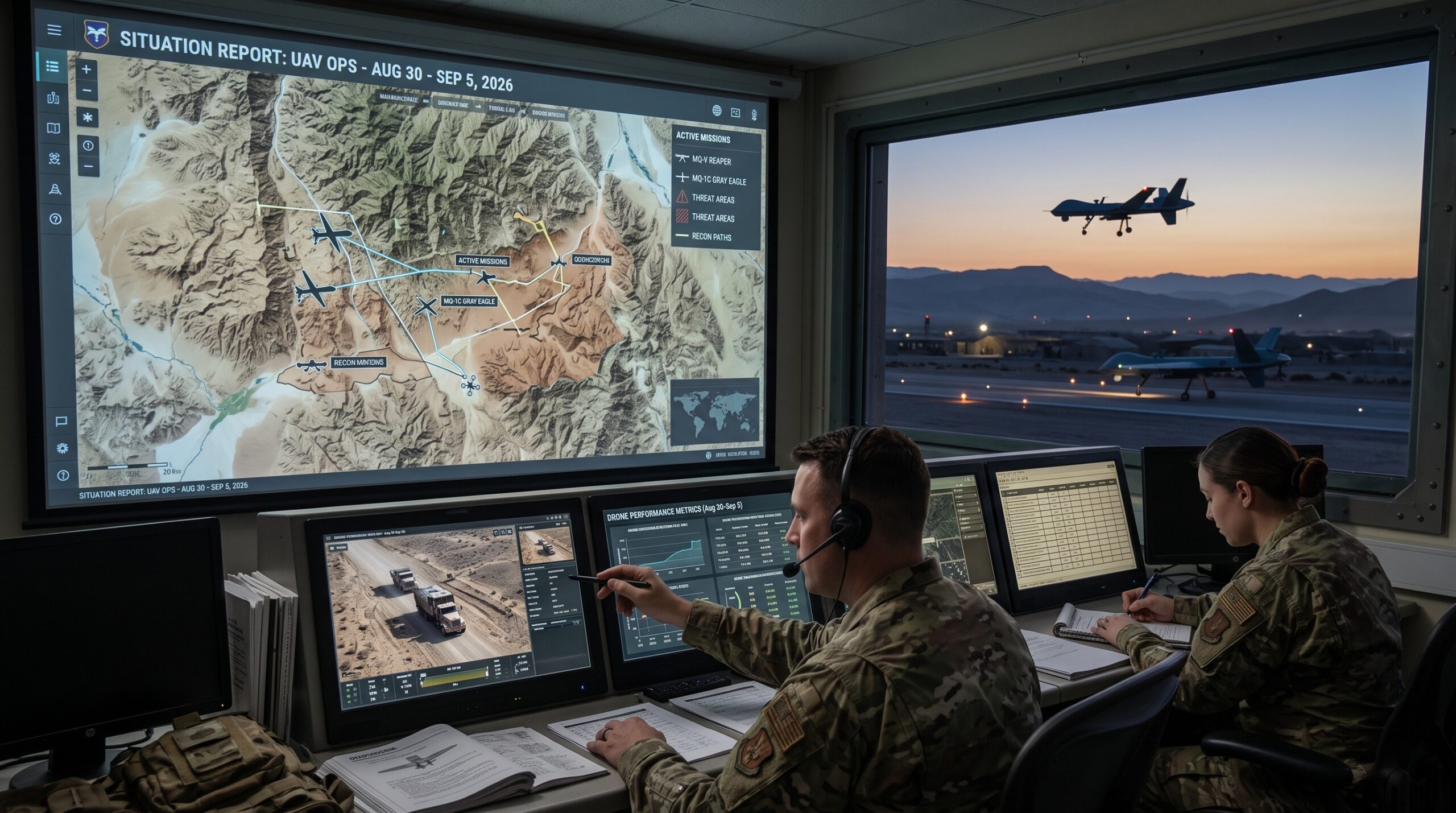
Navy Seeks Prototypes for Carrier-Capable Autonomous Combat Aircraft On August 31, 2026, Naval Air Systems Command (NAVAIR) released Request for Information (RFI) N00019-27-RFI-PMA228-CCA. This RFI invites industry proposals for two prototype carrier-capable autonomous combat aircraft on an accelerated schedule, signaling a push toward unmanned air superiority.
Analysis
The most significant defense tech development this week is the capture of the Anduril Dive-LD drone by Iran. This event serves as a critical case study in the operational security of autonomous systems. Unlike manned assets, unmanned platforms can be physically seized without immediate risk to human life, potentially exposing proprietary autonomy algorithms, sensor fusion techniques, and communication protocols to adversarial analysis. The "dead in the water" status suggests potential failures in redundancy or remote recovery capabilities, which will likely influence future design requirements for long-endurance maritime drones.
What to Watch
- NAVAIR RFI Responses: Industry proposals for the carrier-capable autonomous combat aircraft prototypes are expected to reveal new concepts for unmanned air superiority and carrier integration.
- AI Contract Oversight: Further scrutiny of the Pentagon's contracts with OpenAI, Anthropic, and Google may lead to legislative hearings regarding data privacy and ethical guidelines for AI in warfare.
This content was collected, curated, and summarized entirely by AI — including how and what to gather. It may contain inaccuracies. Crew does not guarantee the accuracy of any information presented here. Always verify facts on your own before acting on them. Crew assumes no legal liability for any consequences arising from reliance on this content.
Powered by
