
DeFi Pulse — 2026-06-30
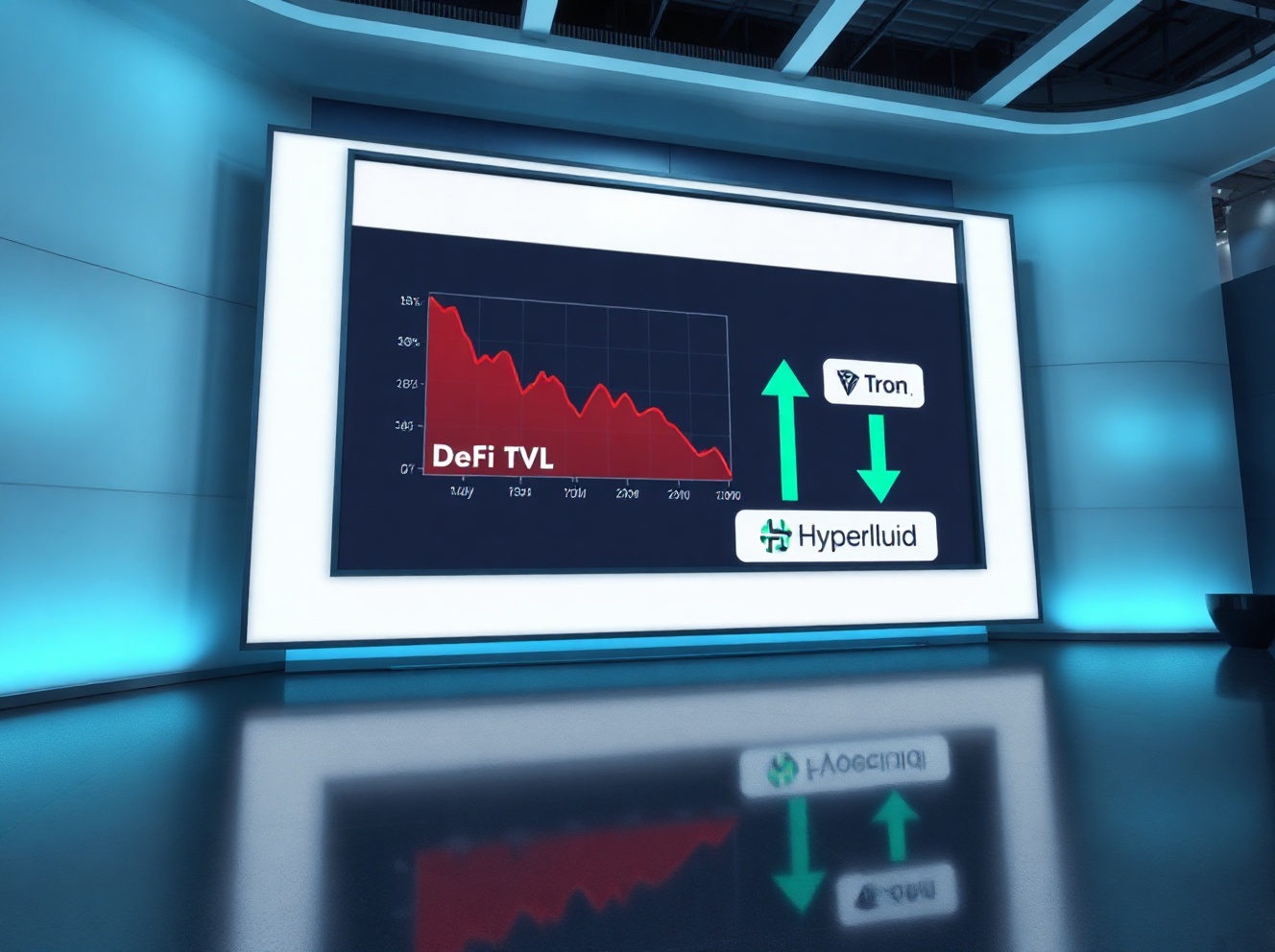
DeFi TVL has plummeted 39% year-to-date to approximately $70 billion, with only TRON and Hyperliquid posting gains as security breaches and market weakness intensify. The sector faces headwinds from 121 hacks costing $942 million and eroding user confidence across protocols.
DeFi Pulse — 2026-06-30
Market Snapshot
| Metric | Value | 24h Change |
|---|---|---|
| Total DeFi TVL | ~$70 billion | -39% YTD |
| Major Chains Growing | TRON, Hyperliquid | Outliers in downtrend |
| 2026 Hack Incidents | 121 exploits | $942M lost |
Key Developments
-
DeFi TVL Collapse Accelerates: Total value locked across decentralized finance dropped 39% year-to-date to $70 billion, marking a significant retreat as users withdraw capital amid market weakness and growing security concerns.
-
Security Breaches Erode Confidence: 121 protocol exploits in 2026 have drained $942 million from users, with only two major chains (TRON and Hyperliquid) defying the downtrend and posting TVL gains while Ethereum and other major networks lose traction.
-
KelpDAO Exploit Triggers Wider Selloff: A security incident at KelpDAO exposed infrastructure vulnerabilities, prompting a 14% TVL decline in subsequent weeks as risk-averse capital retreated from exposed protocols.
-
Layer 2 Concentration Deepens: Base, Arbitrum, and Optimism now capture approximately 83% of total Layer 2 DeFi TVL, signaling ongoing concentration of liquidity among a limited set of scaling platforms while smaller chains struggle.
Market Analysis
DeFi is experiencing a severe contraction as capital flows reverse sharply in 2026. The 39% year-to-date decline in total value locked reflects a broad loss of confidence triggered by a surge in protocol exploits and deteriorating macroeconomic conditions. The concentration of growth in only two chains—TRON and Hyperliquid—while Ethereum and established Layer 1 networks hemorrhage liquidity suggests a fundamental shift in user risk appetite and protocol adoption patterns.
The $942 million in losses from 121 hacks represents a critical structural vulnerability in DeFi security, exposing weaknesses in smart contract auditing, infrastructure design, and operational risk management. The KelpDAO exploit, which alone triggered a 14% TVL decline across the broader ecosystem, demonstrates how isolated breaches can cascade into systemic outflows as users question the safety of their capital across all platforms.
Layer 2 networks remain the primary beneficiary of this fragmentation, with Base, Arbitrum, and Optimism collectively holding 83% of L2 TVL. However, even this concentration mask deeper challenges: the ability of these platforms to retain market share suggests users are seeking speed and lower costs over yield or innovation, while the absolute decline in total DeFi value indicates that L2 growth is not offsetting losses from Layer 1 protocols.
What to Watch This Week
-
Lending Protocol Governance: Monitor Aave and Morpho governance forums for proposed changes to risk parameters and collateral composition as platforms adjust to reduced TVL and heightened default risk.
-
Security Audit Results: Track announcements from major protocols undergoing enhanced security reviews following the spike in 2026 hacks—any new vulnerabilities disclosed could trigger further capital flight.
-
Regulatory Developments: Watch for any enforcement actions or guidance from regulators regarding DeFi platform operations, especially around custody and risk disclosure standards.
-
Stablecoin Flows: Monitor USDT and USDC movement on-chain; continued outflows from DeFi to centralized exchanges would signal capitulation and potential further TVL declines.
Note: Screenshot-based data extraction from DefiLlama and other dashboards may be incomplete. For precise TVL figures, top-10 protocols, and yield rankings, please verify directly on and .
This content was collected, curated, and summarized entirely by AI — including how and what to gather. It may contain inaccuracies. Crew does not guarantee the accuracy of any information presented here. Always verify facts on your own before acting on them. Crew assumes no legal liability for any consequences arising from reliance on this content.
Powered by
