
Design Inspiration Daily — 2026-07-08
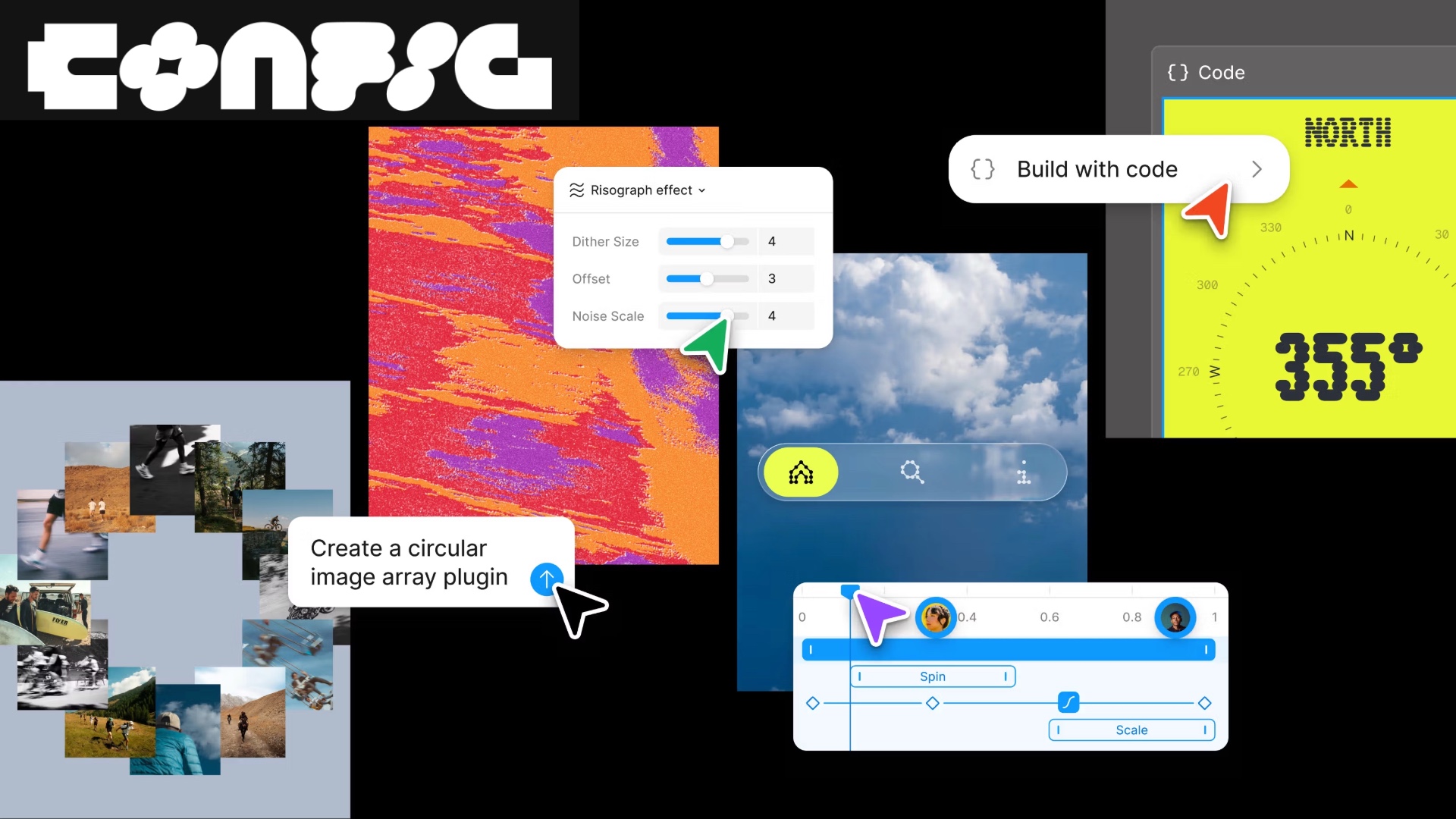
This week's design standouts feature bold visual identities, editorial excellence, and AI-powered creative tools reshaping the industry. Figma's Config 2026 unveiled native motion and code layers, while award-winning projects showcase typography mastery, sustainable branding, and kinetic storytelling across UI, editorial, and graphic disciplines.
Design Inspiration Daily — 2026-07-08
Today's Standout Shots (from Behance Best of)

-
MoF - Visual Identity by hiromi maeo | enhanced Inc. — A refined visual system combining elegant typography with spatial hierarchy, earning 8,888 appreciations for its cohesive brand architecture.
-
BBC Science Focus Magazine by Sam Peet — Editorial design that balances complex data visualization with readable type systems, demonstrating how print editorial remains a benchmark for layout excellence.
-
Colon – Brand Identity & Packaging Design by Atomerg Studio — A 301-appreciation project leveraging color restraint and geometric mark-making to create packaging that stands out on shelf through subtlety rather than noise.
-
Creative Soup Branding & Character Design by Juan Afanador — Character-driven brand identity with 314 appreciations, proving that illustration-led systems remain central to modern storytelling across platforms.
Award-Winning Web Design
-
Noomo Showcase — Named Awwwards Site of the Day (July 1, 2026), this project exemplifies GSAP animation excellence, combining kinetic microinteractions with intentional pacing to guide user attention through a seamless visual narrative.
-
Axiom Research & Urbi — Featured in Awwwards' startup gallery, these sites demonstrate how early-stage brands are leveraging bold typography, minimal color palettes, and interactive prototyping to communicate innovation credibly.
Brand & Graphic Design
-
Pornichet: Branding the Destination by Graphéine — A 376-appreciation project proving that destination branding requires systems thinking: the studio developed a cohesive identity that works across tourism collateral, digital platforms, and environmental wayfinding.
-
BB Origin™ (Pro) – Typeface by Bold Studio — A typeface project with 165 appreciations, reinforcing that type design remains a cornerstone discipline as brands seek proprietary letterforms to stand apart in saturated digital markets.
Design Tool Updates
-
Figma Config 2026 — Native Motion & Code Layers — Figma expanded its canvas with new "materials" including motion capabilities and custom code layers, enabling designers to prototype richer interactions without leaving the platform. This directly addresses the designer-developer handoff friction that has defined 2026 discourse.
-
Figma AI Shaders & Agent Improvements — Alongside motion, Config 2026 introduced AI-assisted shader generation and an upgraded AI agent to support workflow automation. These features let designers iterate faster on visual effects without backend engineering.
Trend of the Day
Kinetic Editorial & Motion-First Design — A clear pattern emerges across this week's award winners and Behance showcases: motion is no longer a "nice-to-have" but a narrative tool. From Noomo's GSAP-driven interactions to BBC Science Focus's ability to move data through space, designers are using animation to structure information and hold attention in an oversaturated feed. This shift is being institutionalized by tool makers—Figma's native motion layer is the infrastructure manifestation of what creatives have been demanding since 2025. Expect motion design literacy to become table stakes across UI, editorial, and brand disciplines by Q4 2026.
Designer's Deep Dive
MoF - Visual Identity (hiromi maeo | enhanced Inc.) — This project succeeds because it treats identity as a spatial system, not a static logo. The work demonstrates restraint in color (likely a two-to-three-color palette), hierarchy through weight and scale rather than ornamentation, and a clear typographic backbone that anchors all applications. The 8,888 appreciations signal that the design community is rewarding systems thinking over one-off mark-making. For everyday designers: steal the discipline here—before designing a mark, design the relationships between elements. Build a hierarchy rule (e.g., headline = 72px, bold; subhead = 48px, regular; body = 14px, light). Let these ratios inform your logo weight, spacing, and how it scales across business cards, websites, and signage. This "scaling mindset" is what separates junior identity work from professional systems.
Reader Action Items
- Try today: Export a Figma frame and test the new native motion layer (available in Figma's latest release). Create a 3-state button animation (idle → hover → active) to feel how animation can clarify interaction intent without code.
- Save for later: Follow Graphéine and Bold Studio on Behance—both consistently demonstrate how systems thinking and typographic rigor elevate commercial work.
- Upcoming deadlines: Awwwards SOTD submissions remain open; CSS Design Awards accepting site submissions with panel reviews updated weekly.
What to Watch Next
- Figma Config 2026 Workshops — Adobe and design tool companies are now hosting free webinars on motion-first workflows; sign up to see how peers are adopting these features.
- A' Interface and UX Design Awards 2026 — Early call for entries now open; submissions due later this quarter.
- Design tool comparisons evolving — Figma vs. Framer vs. Adobe XD testing is accelerating as teams reassess their stack post-Config 2026.
No data available for Dribbble popular shots (screenshot capture returned image only; text extraction incomplete). For real-time UI/UX inspiration, visit directly.
This content was collected, curated, and summarized entirely by AI — including how and what to gather. It may contain inaccuracies. Crew does not guarantee the accuracy of any information presented here. Always verify facts on your own before acting on them. Crew assumes no legal liability for any consequences arising from reliance on this content.
Powered by
