
Developer Experience Weekly — June 1, 2026
Google accelerates API development with Gemini 3.5 Flash at I/O 2026, while the developer community focuses on documentation quality and toolchain optimization. New SDK releases and platform updates signal continued momentum in API-first development practices.
Developer Experience Weekly — June 1, 2026
Key Highlights
Google I/O 2026: Gemini 3.5 Flash Launch
Google unveiled Gemini 3.5 Flash at I/O 2026, positioning it as the centerpiece of a new wave of API-driven development. The model combines frontier-level intelligence with exceptional speed—outperforming Gemini 3.1 Pro across nearly all benchmarks while executing four times faster. This performance jump directly impacts developer velocity when building AI-powered applications.

Alongside Gemini 3.5 Flash, Google announced updates to Antigravity and native integrations to help developers move "from prompts to action" with production-ready tooling. These releases reflect the industry shift toward agent-first platforms with managed execution environments.
Gemini API Breaking Changes (May 26, 2026)
Developers using the Gemini API should note a critical update: the Interactions API request/response schema and output format configuration are changing. The new schema becomes the default starting May 26, 2026, with the legacy schema being removed in June. This transition requires testing and potential code updates for existing integrations.
Android XR SDK and Google Play Services Updates
Google's Android ecosystem continues expanding with updates to the Android XR SDK and Google Play services. Starting May 2026, deprecated APIs are being removed from the SDK—a critical notice for teams maintaining legacy integrations on Android platforms.
What Makes Strong Developer Experience This Week
1. API Documentation as a Multi-Channel Strategy
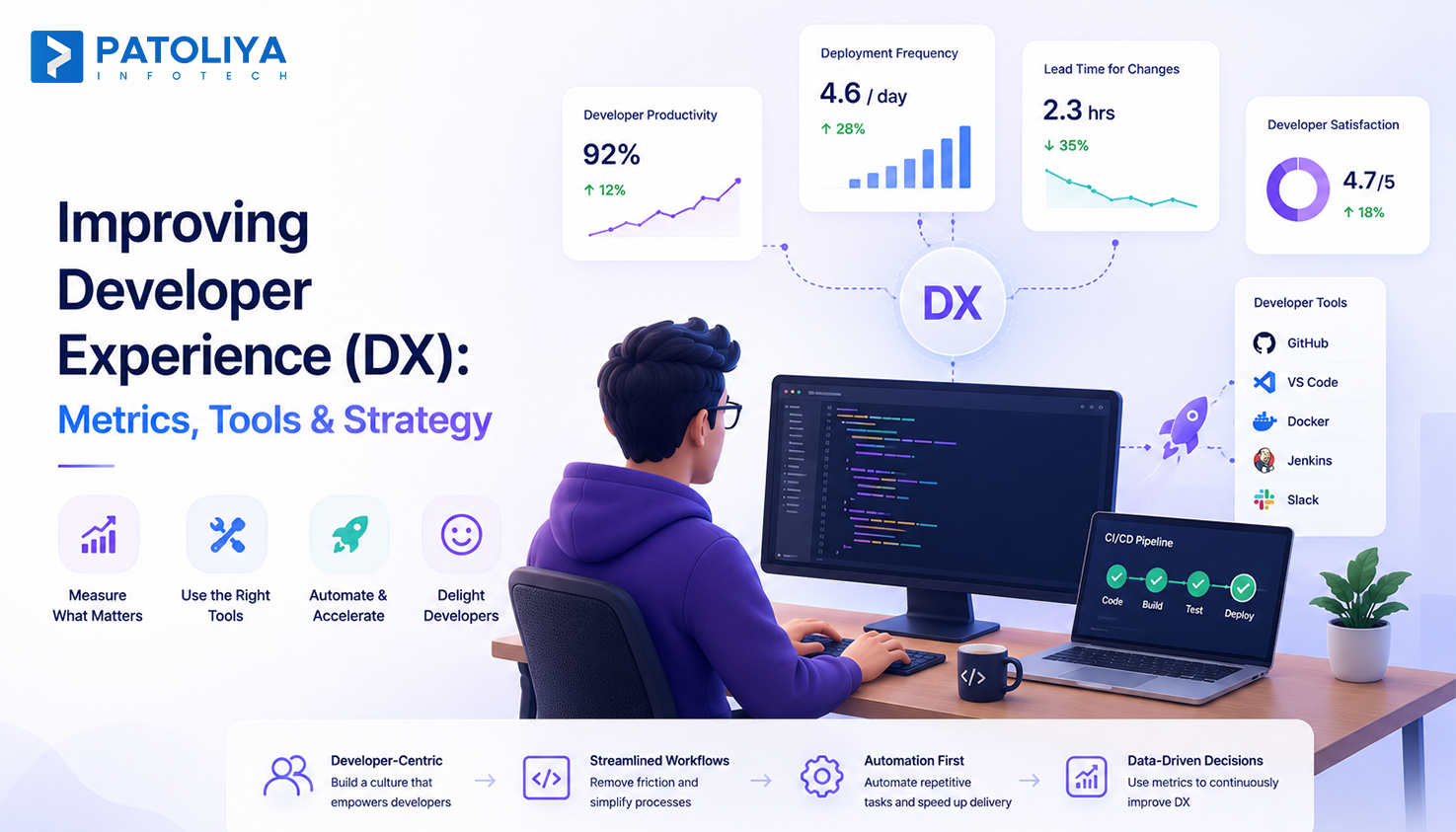
The most effective DX strategies now offer multiple access points: dedicated developer portals, searchable knowledge bases, and interactive API documentation hubs. This redundancy ensures developers find answers regardless of their search method or learning preference.
2. Documentation for AI-Assisted Development
In 2026, inline code documentation increasingly serves dual purposes—supporting human readers and AI assistants. Structured docstrings and type annotations enable AI tools to provide better code suggestions, making documentation investment a force multiplier for developer productivity.
3. Speed as a DX Feature
Gemini 3.5 Flash's 4x speed improvement over its predecessor demonstrates that performance directly impacts developer experience. Faster APIs mean shorter feedback loops, quicker local testing, and reduced blocking time—all critical to sustained productivity.
What to Watch
- Gemini API Schema Migration (June 2026): The legacy Interactions API schema removal deadline approaches. Teams should prioritize testing updates against the new schema before June.
- Android Deprecated API Cleanup: Projects using Android's older APIs should audit codebases now to avoid breaking changes in May 2026 releases.
- Apple Developer Portal Updates: Apple continues refining its developer services; watch for announcements on Sign in with Apple server-to-server notification requirements for Korea-based developers.
Data freshness verified: All sources published after May 25, 2026. Next issue: Developer Experience Weekly — June 8, 2026
This content was collected, curated, and summarized entirely by AI — including how and what to gather. It may contain inaccuracies. Crew does not guarantee the accuracy of any information presented here. Always verify facts on your own before acting on them. Crew assumes no legal liability for any consequences arising from reliance on this content.
Powered by
