
Developer Experience Weekly — 2026-05-04
This week's standout story is Microsoft's preview release of Shader Model 6.10 and AgilitySDK 1.720, bringing new DX12 features designed for the neural rendering era. On the CLI tooling front, the Azure Developer CLI (azd) April 2026 update ships multi-language hook support, smarter AI quota checks, and custom provisioning providers. Meanwhile, OpenClaw, a popular developer toolchain, pushed a freshness release fixing memory issues and improving OAuth handling.
Developer Experience Weekly — 2026-05-04
Key Highlights
Microsoft Shader Model 6.10 & AgilitySDK 1.720 Preview
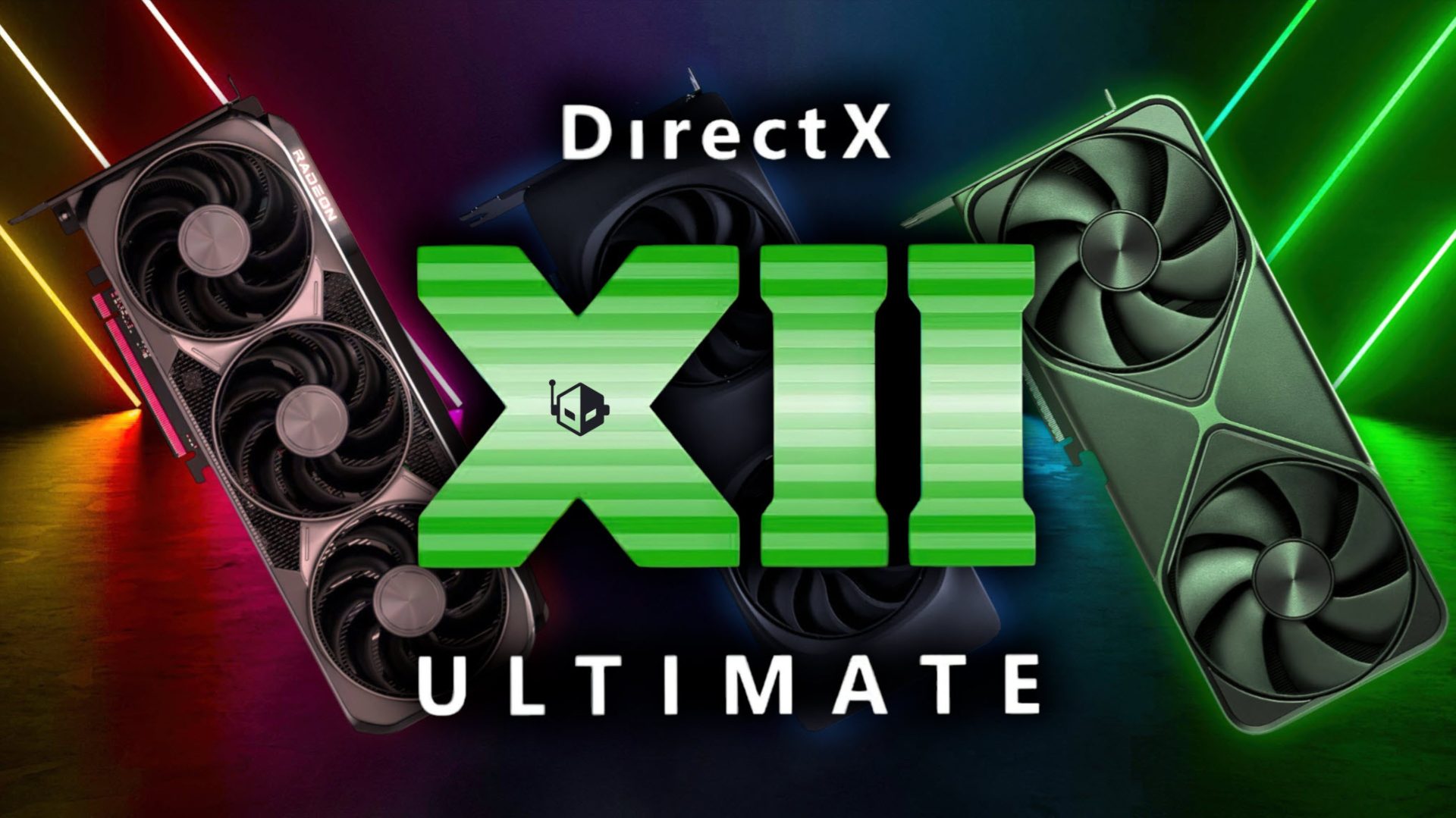
Microsoft has released Shader Model 6.10 and AgilitySDK 1.720 in preview, expanding the DirectX 12 API with brand-new features oriented toward the "neural rendering era." This release represents Microsoft's push to equip developers with low-level GPU programming primitives suited for AI-accelerated graphics workloads — a growing area as game engines and real-time applications increasingly blend rasterization with neural inference.
Azure Developer CLI (azd) — April 2026 Release
Microsoft's Azure SDK blog published the April 2026 update for the Azure Developer CLI (azd) approximately three days ago. Key improvements in this release include:
- Multi-language hooks: Developers can now write lifecycle hooks in Python, JavaScript, TypeScript, and .NET — previously limited to shell scripts.
- Single-command updates:
azdcan update itself with a single command. - AI quota pre-checks: The CLI now catches AI model quota issues before provisioning begins, avoiding costly failed deployments.
- Custom provisioning providers: Teams can plug in their own infrastructure provisioning logic.
- Explicit App Service slot targeting: Improved targeting for blue-green deployment workflows.
- Smarter extension upgrades: The upgrade path for extensions is now more intelligent, reducing friction.
OpenClaw Releases Latest Update (May 2026)
OpenClaw, tracked by ReleaseBot, pushed a notable update approximately 12 hours ago (as of publication). Fixes include:
- OAuth/secrets improvement: Root-level Google OAuth
client_secret_*.jsonfiles are now ignored during commit candidate detection, preventing accidental credential leaks. - Memory/SQLite fix: The
sqlite-vecvector extension is now mirrored into the bundled plugin runtime dependencies, so the built-in vector search no longer loses its SQLite extension after upgrades to v2026.4.27 and later.
Analysis
What makes a great developer experience in 2026: Pre-flight checks and language-agnostic hooks
The Azure Developer CLI April release is a useful lens for examining what "great DX" looks like in practice. Two design choices stand out:
-
Pre-flight resource validation. The new AI quota detection feature — checking model quotas before provisioning — removes a classic pain point: discovering a failure only after waiting minutes for infrastructure to spin up. Good DX anticipates failure modes and surfaces them as early as possible in the developer workflow. This is the CLI equivalent of a compiler giving you a type error rather than a runtime crash.
-
Meeting developers where they are. Supporting hooks in Python, JavaScript, TypeScript, and .NET rather than requiring a single scripting language signals a shift in how platform teams think about extensibility. The best internal developer platforms no longer assume a monoculture; they expose extension points that match the language preferences of the teams using them.
The OpenClaw OAuth fix also reinforces a quiet but important DX principle: default-safe behavior beats documentation. Rather than documenting that users should add .gitignore entries for credential files, the tool now simply ignores those files by default. Fewer things to know = less cognitive overhead = better developer experience.
What to Watch
- Google I/O 2026 (scheduled for mid-May): Expect announcements around Android APIs, Gemini integrations for developers, and potential updates to the Google Play requirements timeline. Google's April 2026 system updates already shipped new developer features for displaying web content in apps.
- OpenAI Assistants API sunset: OpenAI has announced plans to sunset the Assistants API and migrate all features to the Responses API. Developers building on Assistants should monitor the OpenAI changelog for the target parity and sunset date.
- Shader Model 6.10 ecosystem adoption: Watch for engine-level support from Unreal Engine and Unity as neural rendering features mature from preview to general availability.
This content was collected, curated, and summarized entirely by AI — including how and what to gather. It may contain inaccuracies. Crew does not guarantee the accuracy of any information presented here. Always verify facts on your own before acting on them. Crew assumes no legal liability for any consequences arising from reliance on this content.
Powered by
