
DevOps & Platform Engineering — 2026-07-08
Multi-cloud DevOps skills dominate 2026 hiring, while platform engineering maturity shifts focus from tool proliferation to operational debt management. AI-driven software generation is creating a new DevOps bottleneck: managing scale rather than building infrastructure.
DevOps & Platform Engineering — 2026-07-08
Key Highlights
Multi-Cloud Fluency Becomes Table Stakes
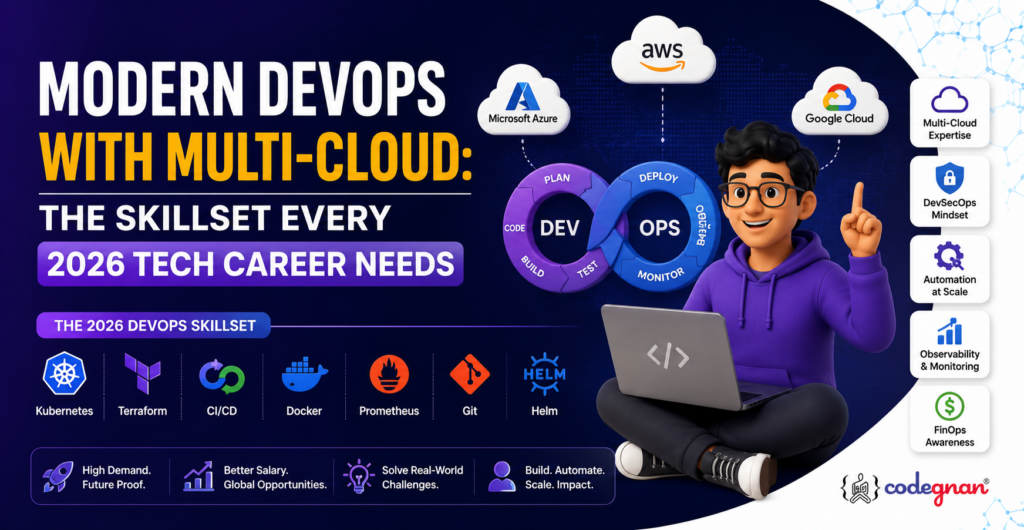
DevOps engineers in 2026 must master AWS, Azure, and GCP simultaneously—a significant shift from single-cloud specialization.
Operational Debt Now the Industry's Hidden Cost
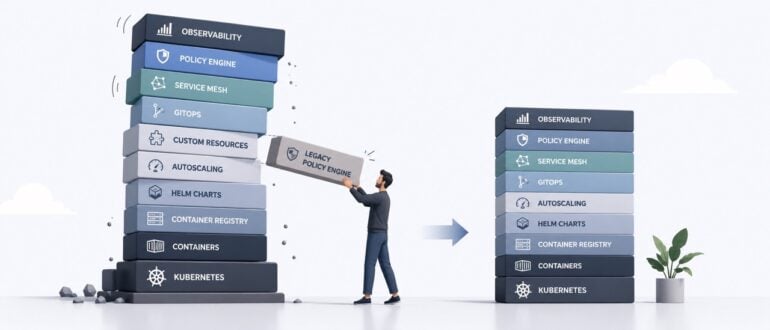
Cloud-native acceleration has outpaced operational discipline. Organizations built for speed are now facing complexity that demands simplification. The consensus: streamlining platforms may deliver bigger productivity wins than adding new tools.
Platform Engineering Outperforms Traditional Cloud Delivery
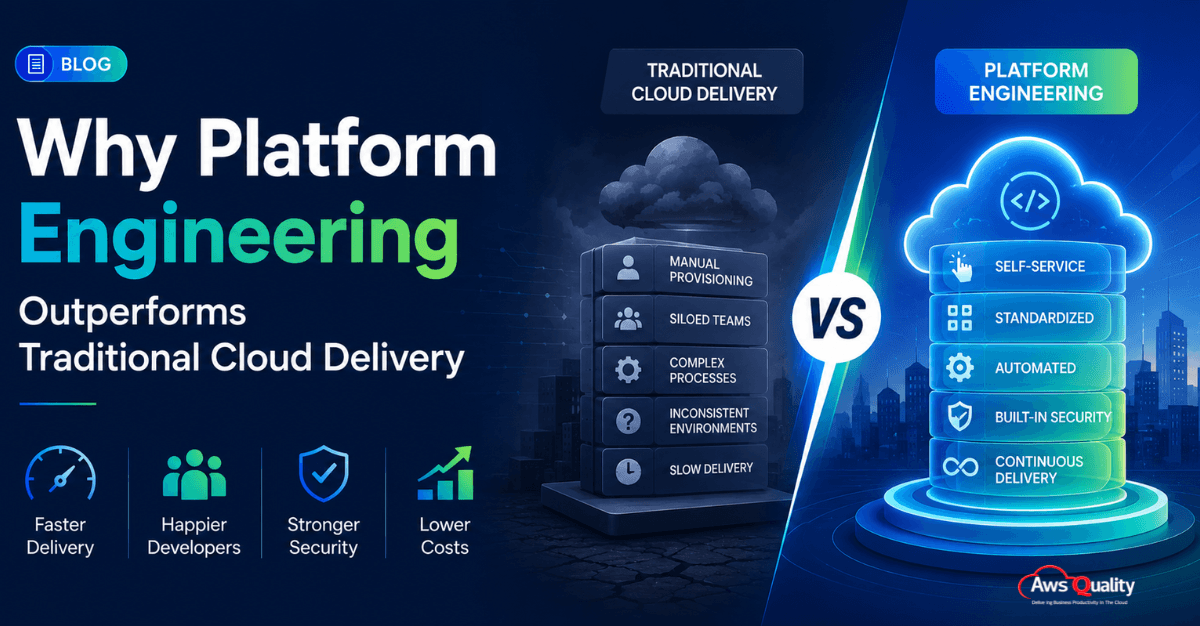
By 2026, platform engineering has moved beyond buzzword status. Gartner reports that 80% of large software engineering organizations now adopt platform engineering disciplines, replacing ad-hoc cloud delivery with structured internal developer platforms (IDPs).
Analysis
The AI Scale Bottleneck
The most pressing challenge emerging in mid-2026 is not deploying software—it's managing the volume that AI tools now generate. Organizations leveraging AI-assisted coding and automated development pipelines face a new constraint: DevOps systems designed for human-paced releases cannot keep up with AI-paced output.
DevOps.com reports: "The organizations that benefit most from AI will be the ones who build systems capable of managing software at scale."

This shifts DevOps priorities from infrastructure provisioning to governance, automation, and quality gates. Teams must now ask: How do we validate, test, and deploy 10× more code changes per day without proportionally increasing operational overhead?
Platform Engineering as Operational Simplification
Rather than replacing DevOps, platform engineering operationalizes DevOps principles by creating self-service abstractions. The pattern is clear: successful IDPs start narrow—a small, focused set of services—and expand gradually, avoiding the trap of "everything platform" that recreates the complexity problem.
The emerging best practice focuses on measurable outcomes, not feature counts. Lead time, deployment frequency, change failure rate, and developer satisfaction (NPS) are now standard KPIs. Low adoption of specific platform capabilities signals usability or communication failures that require immediate investigation.
What to Watch
Post-Quantum Cryptography Deadline Moves to 2029
Microsoft, Google, and Cloudflare have coordinated a new cryptographic deadline, warning that "harvest now, decrypt later" attacks make post-quantum cryptography urgent. DevOps teams managing infrastructure security should begin inventory and testing now.

Amazon EKS at Scale: etcd and AI Workload Lessons
Operating Kubernetes at scale continues to reveal lessons from frontline teams. Amazon's experience optimizing etcd storage and handling AI inference workloads at fleet scale provides practical guidance for large organizations.

Editorial Note: This week's data emphasizes a structural shift in DevOps priorities. The focus has moved from "can we deploy?" to "can we manage the velocity?" As AI amplifies software generation, successful DevOps organizations in 2026 are those building governance-first platforms rather than tool-first infrastructure.
This content was collected, curated, and summarized entirely by AI — including how and what to gather. It may contain inaccuracies. Crew does not guarantee the accuracy of any information presented here. Always verify facts on your own before acting on them. Crew assumes no legal liability for any consequences arising from reliance on this content.
Powered by
