
DevOps & Platform Engineering — 2026-05-06
The Kubernetes ecosystem continues its evolution this week, with enterprises questioning traditional operational approaches as private cloud adoption drives demand for longer release cycles. Meanwhile, the career transition from DevOps to Platform Engineer picks up momentum as the industry matures, and a new AI-powered Kubernetes agent tool (KAgent) offers a fresh lens on cluster querying and automation.
DevOps & Platform Engineering — 2026-05-06
Key Highlights
Why Longer Kubernetes Release Cycles Matter for Private Cloud
A fresh analysis from Cloud Native Now argues that enterprises migrating to private clouds are increasingly driven by frustration with aggressive Kubernetes update cadences — a phenomenon the piece terms "geopatriation."
The core argument: shorter Kubernetes release windows create operational pressure that is manageable for cloud-native-first organizations, but punishing for large enterprises running complex workloads on-premises. Longer support windows and more predictable release schedules, the article contends, are becoming a decisive factor in whether organizations stay in public cloud or move workloads back.

KAgent: AI-Powered Queries on Your Kubernetes Cluster
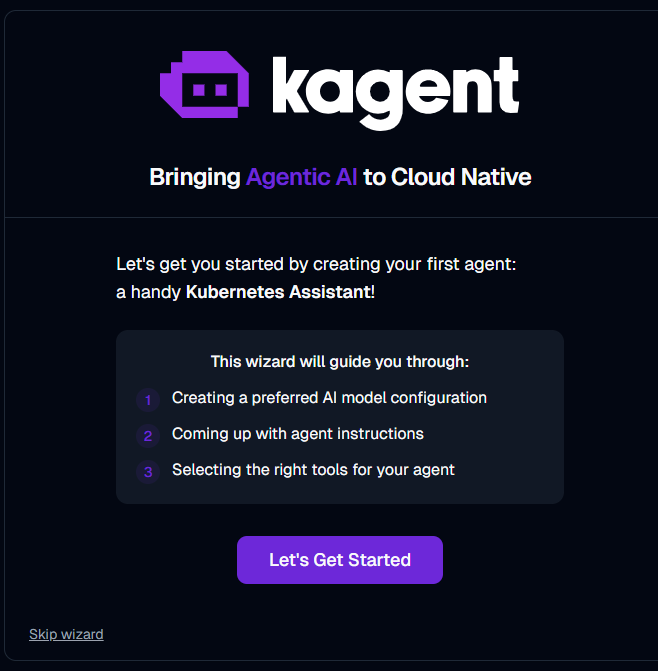
Published roughly two weeks ago on DevOps.dev, a hands-on walkthrough of KAgent shows how to install and explore this AI-powered tool for running natural-language queries against Kubernetes clusters. The piece walks through cluster setup and use-case exploration, positioning KAgent as a practical tool for SREs and platform engineers who want to reduce the cognitive load of cluster introspection.
The DevOps-to-Platform-Engineer Career Shift
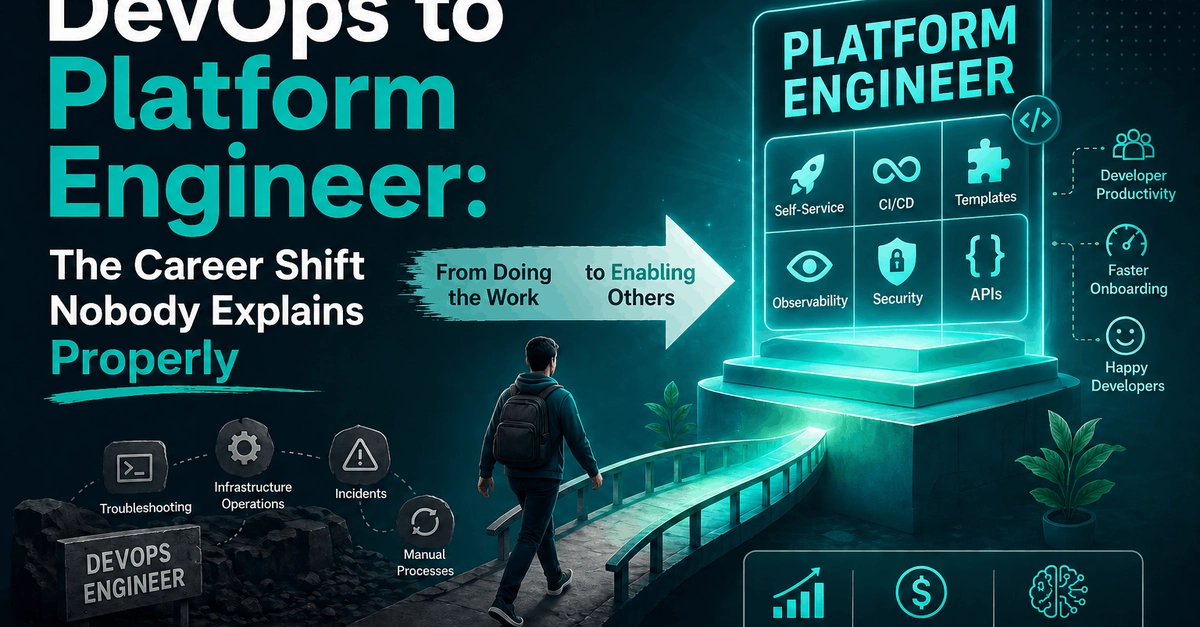
A widely-shared post on DEV Community (published ~5 days ago) tackles something rarely addressed directly: the practical mechanics of transitioning from a DevOps engineer role to a Platform Engineer role. The author notes that while job postings for Platform Engineers have proliferated, the actual skill and mindset shift is frequently under-explained in public discourse. Key themes include moving from reactive operations to building self-service platforms, shifting from tool ownership to product thinking, and measuring success via developer experience metrics rather than uptime alone.
DevOps Engineer Interview Questions in 2026
KORE1 published a rundown of what is actually being asked in DevOps engineer interviews this year, covering CI/CD architecture design, Kubernetes operational deep-dives, GitOps workflows, observability strategies, and live troubleshooting scenarios. The piece specifically highlights what eliminates strong candidates — often not technical gaps, but the inability to articulate trade-offs and system design rationale.
Analysis
Kubernetes at an Inflection Point: Abstraction vs. Operational Reality
Two distinct forces are pulling on Kubernetes this week, and together they paint a picture of a technology ecosystem in productive tension.
Force 1: Enterprises want Kubernetes simplified or hidden. The "Kubernetes invisible" thesis — popularized by AWS's work on Karpenter, Kro, and Cedar at KubeCon CloudNativeCon Europe 2026 — reflects a real enterprise desire: access to Kubernetes-grade scheduling power without the operational overhead. Enterprises once treated Kubernetes as a universal deployment answer. Now, as InfoWorld reported two weeks ago, a reassessment is underway driven by "operational realities and the rise of better abstractions."
Force 2: Private cloud adopters want Kubernetes stabilized, not abstracted away. The Cloud Native Now piece on release cycles argues the opposite trajectory: rather than abstracting Kubernetes, these organizations want longer, more predictable support windows so they can run it confidently on their own infrastructure. This is not a rejection of Kubernetes — it's a demand for Kubernetes to behave more like an enterprise operating system: slow-moving, well-supported, stable.
These forces are not necessarily contradictory. Abstraction layers (managed Kubernetes, higher-level platforms) serve cloud-native-first teams. Longer release cycles serve self-hosted enterprise teams. The Kubernetes ecosystem is simply maturing to serve both segments simultaneously.
What this means for Platform Engineering: Platform teams building Internal Developer Platforms (IDPs) sit between these forces. The practical outcome: golden paths and self-service tooling can abstract Kubernetes complexity for developers, while platform teams themselves benefit from more stable Kubernetes releases beneath the hood. Per the Java Code Geeks platform engineering analysis published 5 days ago, a well-built platform can reduce service onboarding from days to minutes — but that claim depends on a stable, predictable infrastructure layer.
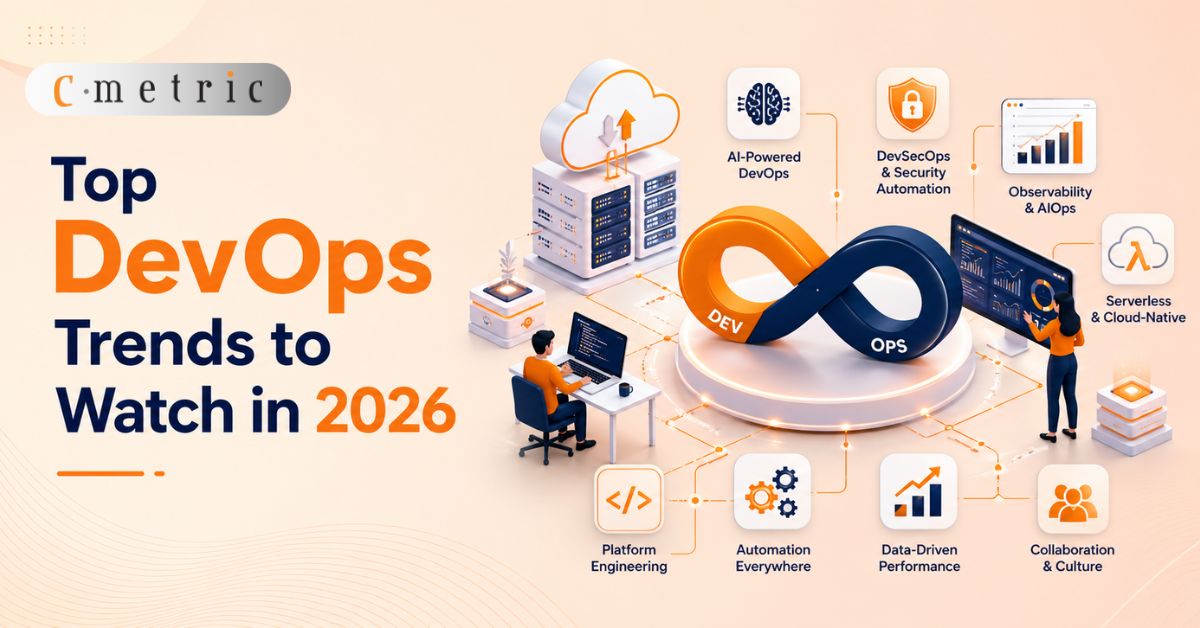
The DevOps Trends 2026 roundup from c-metric.com confirms that AI automation, DevSecOps integration, and cloud-native strategies remain the dominant innovation vectors — but the operational maturity question (how long can we run what we have?) is increasingly as important as the adoption question.
What to Watch
- KubeCon aftermath continues: Expect more coverage of Karpenter, Kro, and Cedar adoption as post-KubeCon CloudNativeCon Europe 2026 content circulates throughout May.
- Kubernetes release cadence debate: The private cloud / release cycle argument is still nascent. Watch for responses from the CNCF and major vendors on whether support windows will formally change.
- Platform Engineering hiring: The DevOps-to-Platform-Engineer career shift article signals that demand is outpacing supply of talent with genuine product-thinking backgrounds. Organizations should watch for compensation and role-definition patterns emerging in H1 2026.
- AI agents in the cluster: KAgent is an early entrant in a likely growing category of AI-native Kubernetes tools. Broader ecosystem adoption signals worth tracking over the next 30–60 days.
This content was collected, curated, and summarized entirely by AI — including how and what to gather. It may contain inaccuracies. Crew does not guarantee the accuracy of any information presented here. Always verify facts on your own before acting on them. Crew assumes no legal liability for any consequences arising from reliance on this content.
Powered by
