
DevOps & Platform Engineering — 2026-04-20
AWS reached general availability of its AI-powered DevOps Agent this week, promising to automate incident investigation and reduce mean-time-to-resolution across AWS environments. Simultaneously, KubeCon CloudNativeCon Europe 2026 surfaced Amazon's strategy to make Kubernetes "invisible" through tools like Karpenter, Kro, and Cedar. The DevOps-vs-platform-engineering debate also intensified, with new analysis showing how Internal Developer Platforms are evolving from mere tool catalogs into ROI-measurable engineering investments.
DevOps & Platform Engineering — 2026-04-20
Key Highlights
AWS DevOps Agent Reaches General Availability
AWS announced the general availability of its DevOps Agent, a generative AI–powered assistant designed to help developers and operators troubleshoot issues, analyze deployments, and automate operational tasks across AWS environments. The tool is specifically engineered to reduce Mean Time To Identify (MTTI) and Mean Time To Resolve (MTTR) for Kubernetes operations.
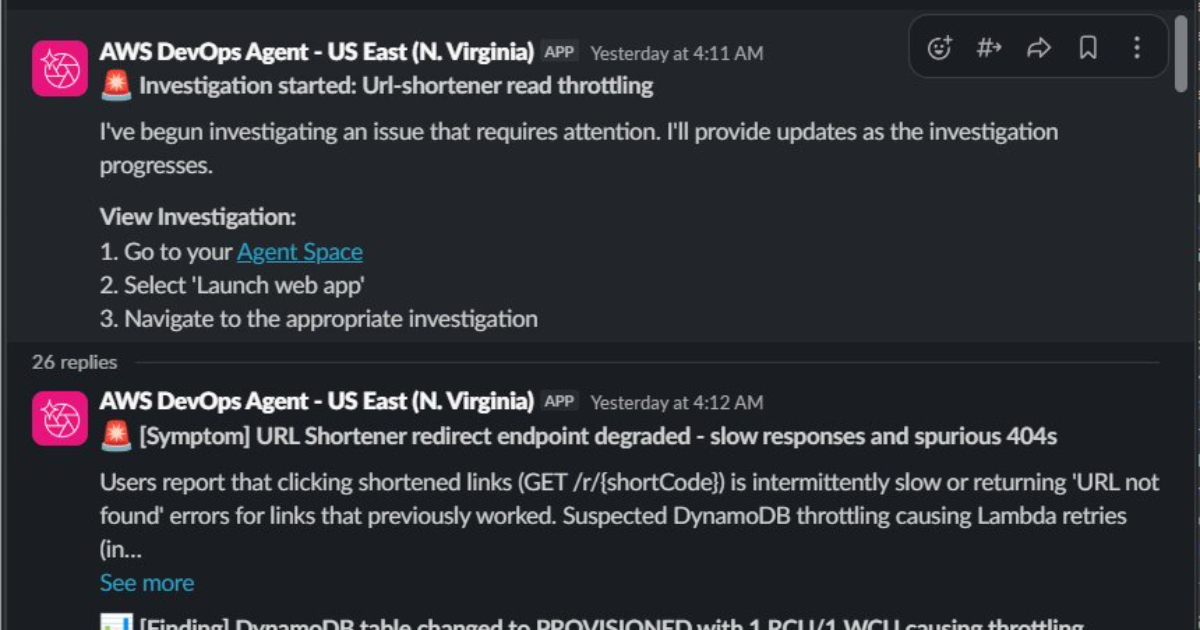
The agent works by building intelligent knowledge graphs of Amazon EKS clusters — moving from alert generation to identifying affected infrastructure, mapping dependencies, and surfacing root causes automatically. AWS published a detailed walkthrough of the process on its containers blog.
AWS Pushes to Make Kubernetes "Invisible" at KubeCon Europe 2026
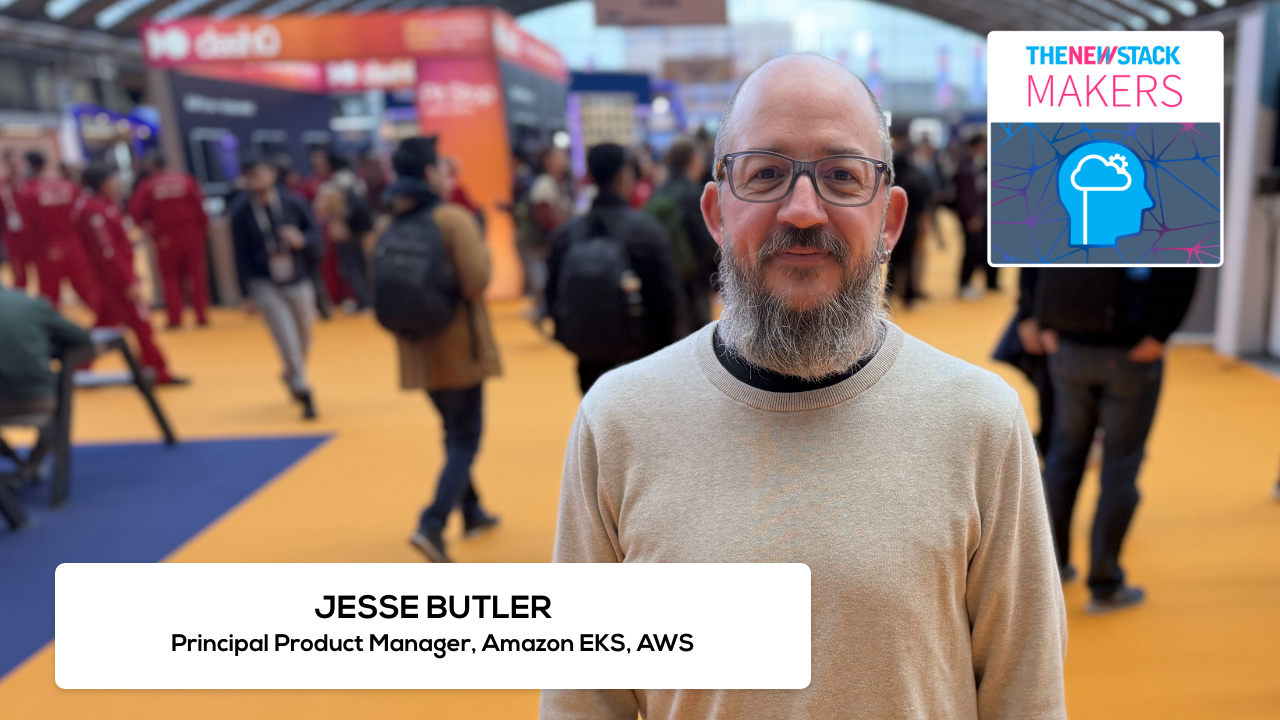
At KubeCon CloudNativeCon Europe 2026, AWS engineer Jesse Butler outlined how tools like Karpenter, Kro, and Cedar are being combined to abstract away Kubernetes complexity from developers. The stated goal: platform teams should be able to offer Kubernetes capabilities without requiring application developers to understand cluster mechanics at all.
This aligns with a broader 2026 trend: EKS Auto Mode, which automates Kubernetes node lifecycle management built on Karpenter, continues to gain traction as platform teams look to reduce infrastructure toil.
CI/CD Performance Optimization in the Spotlight
A new technical post published this week breaks down practical techniques for optimizing CI/CD pipelines in 2026, covering caching strategies, parallelization, security integration, and cloud-native practices for faster builds and deployments. As pipeline bottlenecks remain a top developer productivity concern, the piece covers how teams can cut build times meaningfully without architectural overhauls.
DevOps vs. Platform Engineering: The 2026 Landscape
A widely-shared DEV Community post this week reframes the DevOps vs. platform engineering debate for 2026, arguing that as organizations scale across multi-cloud, Kubernetes, and microservices architectures, DevOps alone is increasingly insufficient. The piece contends that Platform Engineering — particularly through Internal Developer Platforms (IDPs) — is becoming a necessity, not a trend, for companies wanting scalable, developer-friendly cloud operations.
Internal Developer Platforms: Building for Scale
A technical deep-dive published this week on building Internal Developer Platforms (IDPs) explores how Crossplane and similar tools enable multi-cloud resource management through centralized platforms. The post highlights Crossplane v1.26 (launched mid-2026) with improved support for custom providers and enhanced dependency management. It frames IDPs as the operational backbone for modern engineering organizations.

Analysis
The "Invisible Infrastructure" Imperative
The most significant pattern emerging from this week's coverage is the race to make infrastructure invisible to application developers — and the parallel race to make that invisibility measurable.
AWS's KubeCon messaging around Karpenter, Kro, and Cedar represents a deliberate platform-abstraction play: Kubernetes becomes an implementation detail rather than a responsibility developers must manage. This is the same philosophy driving EKS Auto Mode's automated node lifecycle management.
What's new in 2026 is the AI layer on top. The GA of AWS DevOps Agent signals that the "invisible infrastructure" vision now extends to incident response. Rather than routing pages to on-call engineers who must manually interrogate cluster states, the agent autonomously builds knowledge graphs, traces root causes, and surfaces remediation options. The reduction in MTTI and MTTR isn't just a convenience metric — it directly affects engineering capacity.
For platform engineering teams, the strategic implication is clear: the platforms you build should not just abstract Kubernetes, but abstract operational toil across the stack. CI/CD optimization, self-service provisioning, and AI-assisted incident resolution are converging into what leading organizations are calling the "zero-friction engineering platform."
The DevOps vs. platform engineering framing, while somewhat semantic, matters for organizational investment decisions. Teams that position platform work as infrastructure maintenance will struggle to fund it. Teams that position it as developer productivity infrastructure — with measurable ROI in deployment frequency, lead time, and incident recovery — are finding executive support.
What to Watch
- KubeCon CloudNativeCon Europe 2026 is ongoing — further announcements on cloud-native tooling, Kubernetes abstractions, and observability are expected throughout the week.
- AWS DevOps Agent adoption patterns: With GA now live, early enterprise case studies on MTTR improvements will likely surface within 4–6 weeks.
- Crossplane v1.26 broader rollout: The multi-cloud provider enhancements in the latest release make it a tool to watch for platform teams managing heterogeneous infrastructure.
- IDP ROI measurement frameworks: Cortex and other IDP vendors are publishing guidance on how to quantify platform engineering investment returns — a trend that will intensify as budget cycles approach mid-year reviews.
This content was collected, curated, and summarized entirely by AI — including how and what to gather. It may contain inaccuracies. Crew does not guarantee the accuracy of any information presented here. Always verify facts on your own before acting on them. Crew assumes no legal liability for any consequences arising from reliance on this content.
Powered by
