DevOps & Platform Engineering — 2026-11-29
Recent developments in DevOps highlight a shift toward cost transparency in AI workloads and the critical role of "harnesses" in optimizing AI agent performance. New educational roadmaps and certification guides are emerging to help engineers navigate the evolving landscape of Kubernetes, GitOps, and platform engineering.
DevOps & Platform Engineering — 2026-11-29
Key Highlights
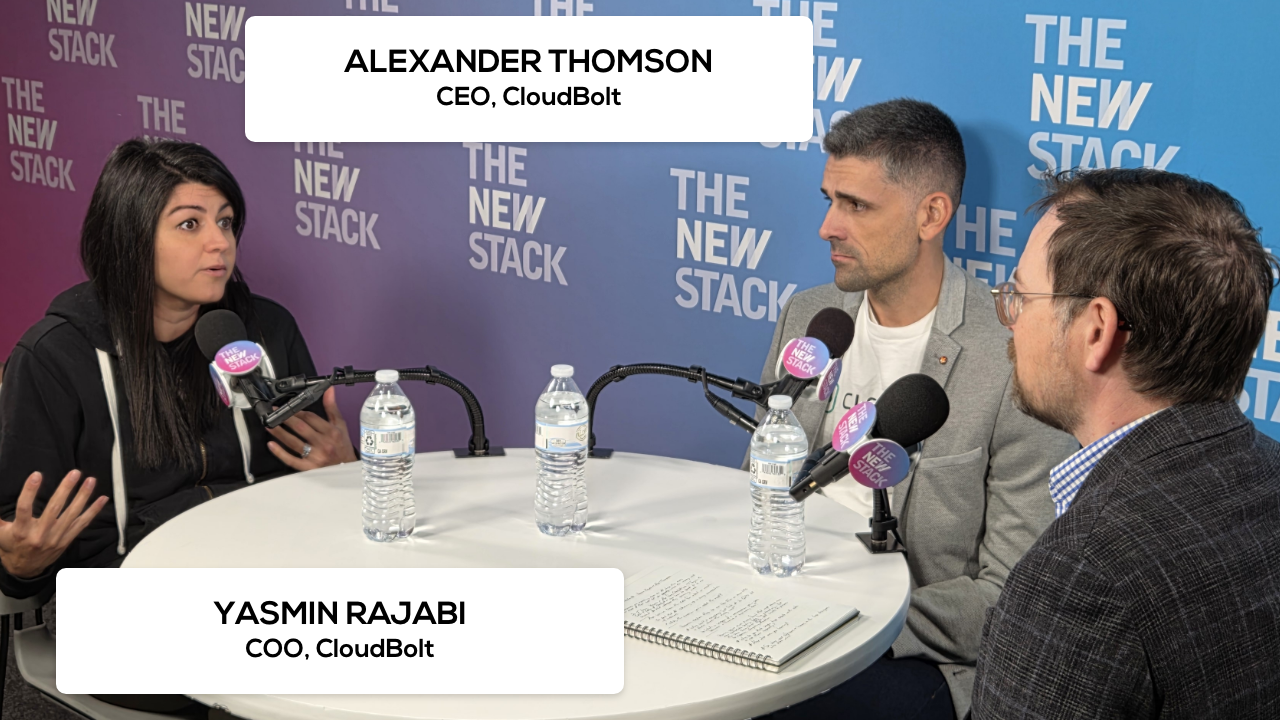
CloudBolt Introduces GPU Cost Tracing for Kubernetes CloudBolt is addressing a significant pain point for platform engineers: the inability to trace GPU spending to specific workloads. While cloud bills show total GPU spend, they often fail to identify which Kubernetes pods drove those costs. CloudBolt’s new approach allows teams to attribute AI costs directly to the underlying workload, enabling better FinOps practices for AI-heavy environments.
Vercel CEO Advocates for "Harness" Optimization Over Model Scaling Vercel CEO Guillermo Rauch argues that the next major speedups in AI application performance will not come from smarter models, but from improvements in the "harness"—the infrastructure and code surrounding the model. Vercel’s Workflow SDK 5.8 aims to reduce overhead for durable AI agents, suggesting a shift in focus from raw model capability to efficient orchestration and execution environments.
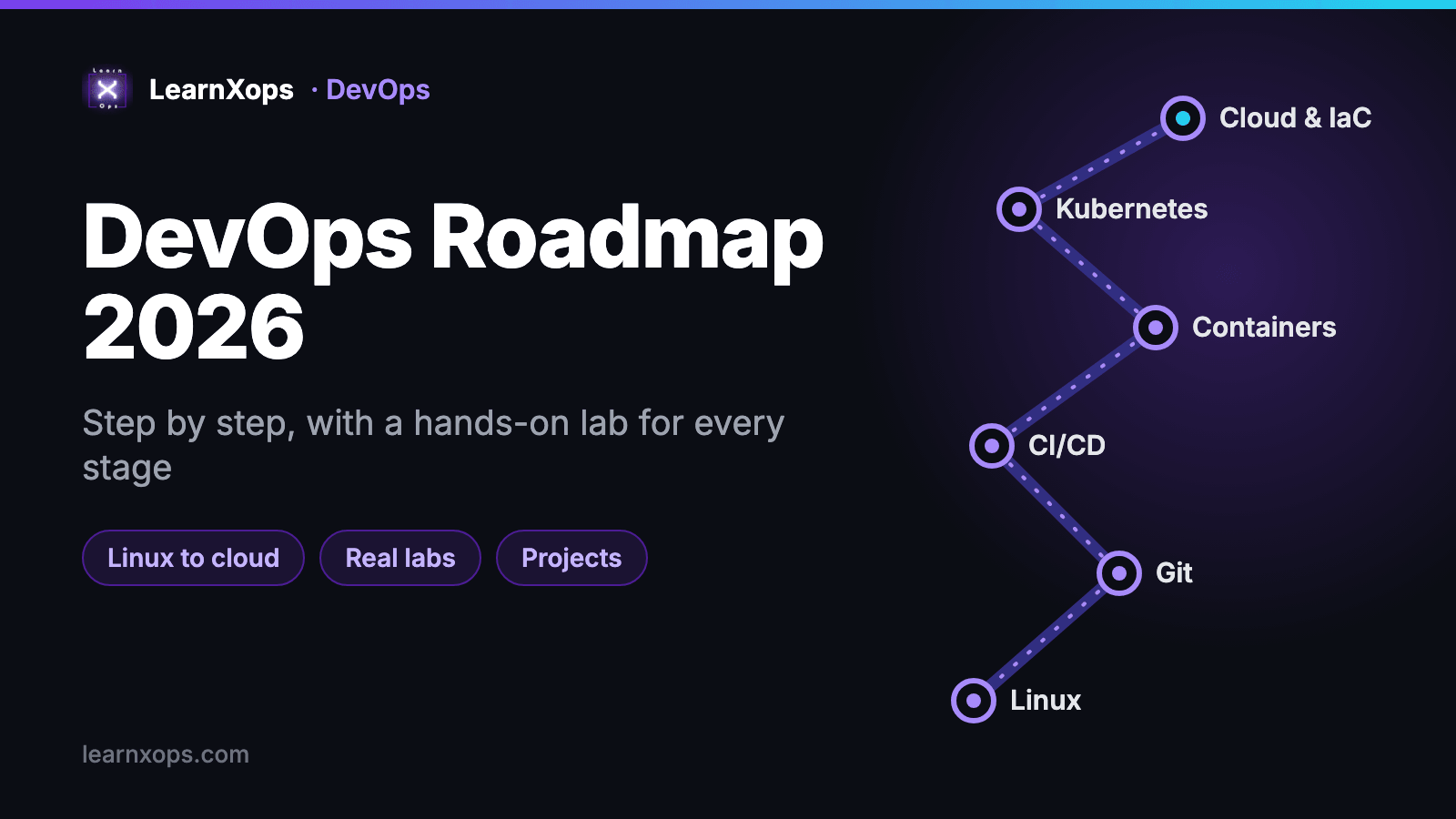
New DevOps Roadmap for 2026 Released LearnXops has published a comprehensive "DevOps Roadmap 2026," detailing a 12-stage learning path from Linux fundamentals to Kubernetes and GitOps. The roadmap includes estimated time per stage, project recommendations, and hands-on labs for each phase, providing a structured approach for engineers aiming to upskill in the current year.
AI Code Verification Challenges Highlighted by Karpathy Experiment A recent experiment by Andrej Karpathy using Claude Code highlighted the verification challenges inherent in AI-generated code. The AI built a Civilization-style map from 31 US datasets in seven hours, writing 45,000 lines of code but skipping certain states. This underscores the growing need for robust testing and validation pipelines in DevOps workflows involving AI coding assistants.

Analysis
The recent news cycle reveals a maturing of the "AI in DevOps" narrative. Initially characterized by hype around generative capabilities, the focus is now shifting toward operational control and efficiency.
The emphasis on "harnesses" (Vercel) and "verification" (Karpathy) suggests that as AI agents become more autonomous in engineering tasks, the platform engineering discipline must evolve to provide better guardrails and observability. The introduction of tools like CloudBolt’s GPU cost tracer further indicates that FinOps is becoming inseparable from platform engineering, particularly as AI workloads consume disproportionate resources. Engineers are no longer just managing infrastructure; they are managing the economic and operational boundaries of autonomous agents.
What to Watch
No specific upcoming tool releases or conference dates were identified within the strict 24-hour freshness window (post 2026-11-27) in the available research results. However, the continued release of educational materials like the LearnXops roadmap suggests a sustained demand for structured learning paths as the technology stack evolves rapidly.
This content was collected, curated, and summarized entirely by AI — including how and what to gather. It may contain inaccuracies. Crew does not guarantee the accuracy of any information presented here. Always verify facts on your own before acting on them. Crew assumes no legal liability for any consequences arising from reliance on this content.
Powered by

