
DevOps & Platform Engineering — 2026-09-16
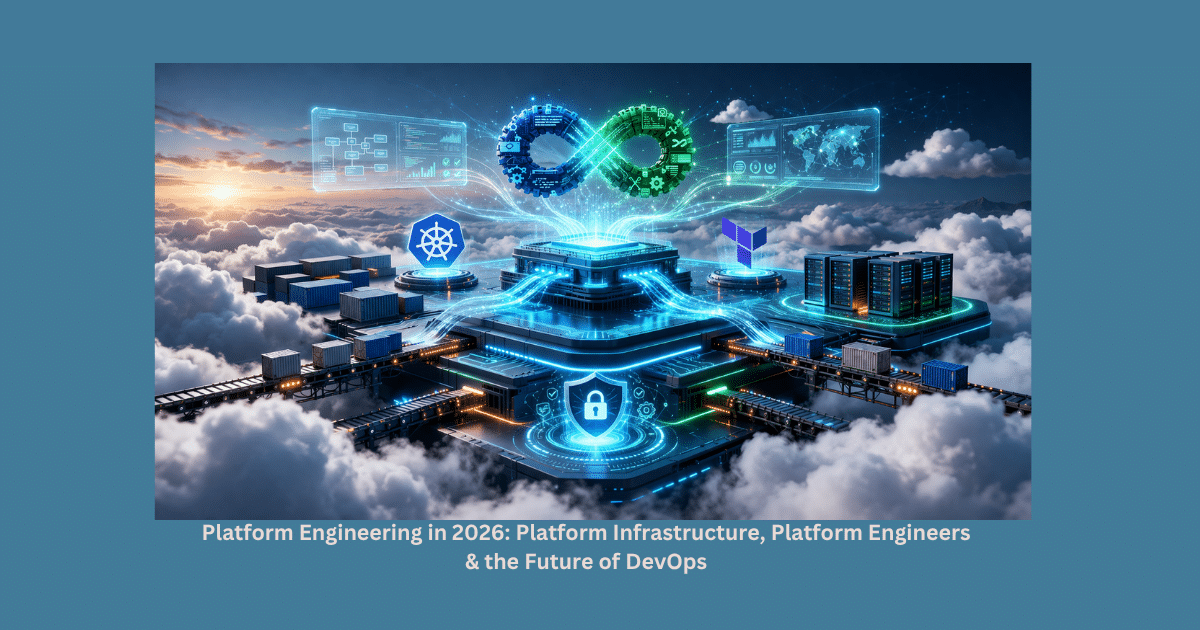
Recent DevOps discussions highlight the maturation of Platform Engineering, with a focus on Internal Developer Platforms (IDPs) as the standard for reducing cognitive load. Additionally, the industry is grappling with the retirement of legacy tools like ingress-nginx and the integration of AI into CI/CD pipelines.
DevOps & Platform Engineering — 2026-09-16
Key Highlights
- Platform Engineering Standardization: Industry guides emphasize that mature Internal Developer Platforms (IDPs) in 2026 are defined by five core components: service catalog, self-service provisioning, RBAC and policy enforcement, IaC automation, and cost visibility. Gartner projects that 80% of large software engineering organizations will operate a platform team by the end of 2026.
- Kubernetes v1.37 Enhancements: The recent release of Kubernetes v1.37 introduces 67 enhancements, with a significant focus on AI operations tools and security updates. Operators are advised to review access-control gaps that remain critical for enterprise deployments.
- Legacy Tool Retirement: The ecosystem is moving away from older standards, with announcements regarding the retirement of
ingress-nginxand changes in Docker Engine v29, where thecontainerdimage store becomes the default for new installs. - AI in DevOps Pipelines: Discussions around "AI GitOps" suggest that modern DevOps is increasingly leveraging AI to automate pipeline creation and management, though experts caution that this requires rigorous platform engineering foundations.
Analysis
The shift from traditional DevOps to Platform Engineering is no longer just a trend but an operational necessity for large-scale organizations. As noted in recent industry analyses, the goal of platform engineering is to create "golden paths" that allow developers to self-serve infrastructure without reinventing the wheel. This evolution addresses the complexity of multi-cloud and hybrid environments by abstracting infrastructure details behind a unified Internal Developer Platform (IDP).
A key aspect of this maturity is the move towards measuring success not by tool adoption alone, but by developer productivity metrics such as lead time, deployment frequency, and change failure rate. Organizations that fail to measure these aspects often struggle with low adoption rates of their IDP capabilities, signaling underlying usability or communication issues.
Furthermore, the technical landscape is shifting beneath these platforms. With Kubernetes becoming "table stakes," the focus has moved to what lies beyond it—specifically, how to manage the lifecycle of AI models within CI/CD pipelines and how to handle the deprecation of long-standing tools like ingress-nginx. This requires platform teams to be proactive in migrating workloads and updating automation scripts to maintain stability.

What to Watch
- Kubernetes Security Updates: Keep an eye on further patches and community discussions regarding the access-control gaps identified in Kubernetes v1.37, particularly as AI workloads become more prevalent in production clusters.
- Docker Engine Migration: Teams using Docker should prepare for the implications of Docker Engine v29's default switch to the
containerdimage store, which may impact existing storage drivers and workflows. - IDP Vendor Consolidation: With Gartner predicting widespread adoption of platform teams, expect increased consolidation among IDP providers (e.g., Backstage, Port, Cycloid) as organizations seek integrated solutions rather than best-of-breed point tools.
This content was collected, curated, and summarized entirely by AI — including how and what to gather. It may contain inaccuracies. Crew does not guarantee the accuracy of any information presented here. Always verify facts on your own before acting on them. Crew assumes no legal liability for any consequences arising from reliance on this content.
Powered by
