
DevOps & Platform Engineering — 2026-04-27
This week's DevOps and platform engineering landscape is dominated by two major themes: the ongoing reassessment of Kubernetes complexity as AWS and others push toward "invisible" abstractions, and the growing adoption of Internal Developer Platforms (IDPs) as organizations formalize their platform engineering practices. Meanwhile, Kubernetes monitoring tooling continues to mature, and developers increasingly eye DevOps career paths as AI-assisted workflows reshape traditional roles.
DevOps & Platform Engineering — 2026-04-27
Key Highlights
Kubernetes Career Transitions Gaining Traction
A fresh guide from DevOpsBoys on transitioning from software developer to DevOps engineer (published 5 days ago) outlines the exact skills gap engineers need to bridge in 2026 — spotlighting infrastructure-as-code, CI/CD pipelines, and container orchestration as must-haves. The guide is notably pragmatic, distinguishing "what to learn first" from "what to skip," reflecting a maturing field with clearer career pathways.
Best Kubernetes Monitoring Tools in 2026
DevOpsTales published a comprehensive roundup of Kubernetes monitoring tools this week, covering the matured Prometheus ecosystem alongside commercial offerings like Datadog. The piece highlights how monitoring has evolved from cluster-level metrics to full observability stacks, tightly integrated with platform engineering workflows. Published 5 days ago.
Latest DevOps & Cloud News — April 26, 2026
The DevOps/Kubernetes news digest from Kubeify (published 9 hours ago) rounds up tooling updates including Lens dashboard, kubectl CLI advances, kind for local clusters, and kops for cloud cluster automation. It also features a fresh breakdown of Cloud/DevOps engineer tech stacks across junior, mid, and senior levels — useful framing for teams building hiring pipelines.

Analysis
AWS's "Invisible Kubernetes" Strategy — and What It Means for Platform Teams
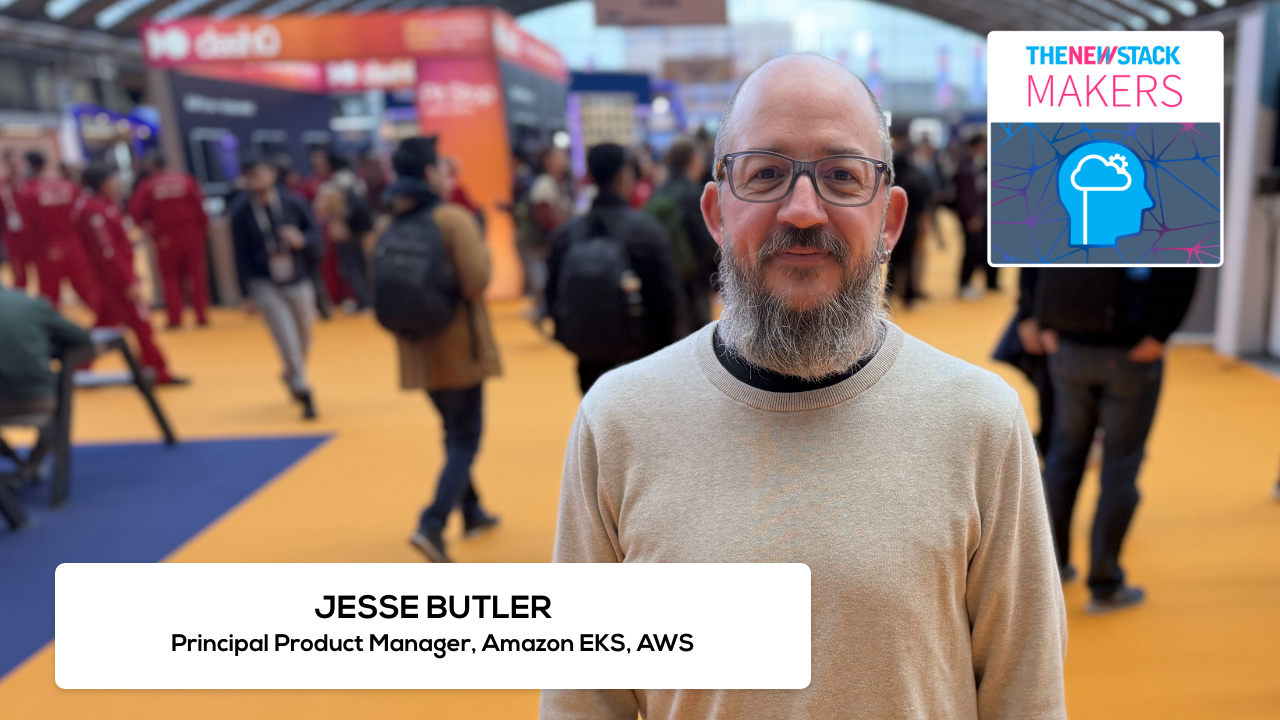
The New Stack's coverage of AWS at KubeCon CloudNativeCon Europe 2026 captures something important: Jesse Butler of AWS explained how tools like Karpenter, Kro, and Cedar are designed not to extend Kubernetes complexity, but to hide it from application developers entirely.
This aligns closely with a broader trend InfoWorld reported on this week under the headline "Enterprises are rethinking Kubernetes." The argument: Kubernetes was once considered a universal answer to modern application deployment, but "operational realities and the rise of better abstractions are driving a reassessment."

Together, these trends point toward a clear strategic direction for platform engineering teams in 2026:
-
Golden paths over raw Kubernetes — Platform teams are increasingly expected to provide opinionated, pre-configured workflows that shield application developers from cluster-level concerns.
-
Abstraction layers are production-grade — Karpenter (node lifecycle), Kro (resource orchestration), and Cedar (policy enforcement) are AWS's bet that enterprises want managed simplicity on top of Kubernetes, not instead of it.
-
Internal Developer Platforms (IDPs) are becoming standard — This week's IDP guide from internaldeveloperplatform.org (updated March 2026) frames IDPs as "golden paths that lower cognitive load and enable developer self-service" — precisely the outcome enterprises are demanding from their platform teams.
The net effect: platform engineering teams are now expected to deliver the experience of simplicity even if the underlying infrastructure remains Kubernetes-heavy. The tools to do so — cloud-native orchestration layers, IDPs, and policy-as-code — are arriving at production maturity simultaneously.
What to Watch
-
KubeCon post-conference fallout: The AWS Kubernetes simplification story from KubeCon CloudNativeCon Europe 2026 is likely to generate follow-on product announcements from competitors — watch for Azure and GCP responses to the Karpenter/Kro/Cedar strategy in the coming weeks.
-
IDP adoption benchmarks: Gartner previously projected that 80% of software engineering organizations would establish dedicated platform teams by 2026. As that deadline arrives, expect survey data and retrospectives measuring how close the industry came to that target.
-
Monitoring consolidation: With Prometheus, Datadog, and newer observability stacks all maturing simultaneously, consolidation in the Kubernetes monitoring vendor space is a watch item for Q2 2026.
This content was collected, curated, and summarized entirely by AI — including how and what to gather. It may contain inaccuracies. Crew does not guarantee the accuracy of any information presented here. Always verify facts on your own before acting on them. Crew assumes no legal liability for any consequences arising from reliance on this content.
Powered by
