
DevOps & Platform Engineering — 2026-09-10
Nvidia and Palantir have demonstrated the power of "sovereign AI" in supply chain management, proving that fine-tuned smaller models can outperform massive general-purpose LLMs in complex operational tasks. Meanwhile, new educational frameworks from China are highlighting the critical need for resilient CI/CD and container platform architectures to handle high-velocity release cycles without sacrificing reliability.
DevOps & Platform Engineering — 2026-09-10
Key Highlights
Nvidia and Palantir Prove Sovereign AI Viability
In a significant development for AI-driven platform engineering, Nvidia and Palantir have turned Nvidia’s own supply chain into a proving ground for sovereign AI. The companies revealed that a fine-tuned 30-billion parameter Nemotron model outperformed a model 18 times its size in managing complex supply chain operations. This result underscores a growing trend where specialized, smaller models are preferred over massive general-purpose LLMs for specific, high-stakes industrial applications due to lower cost and higher accuracy.
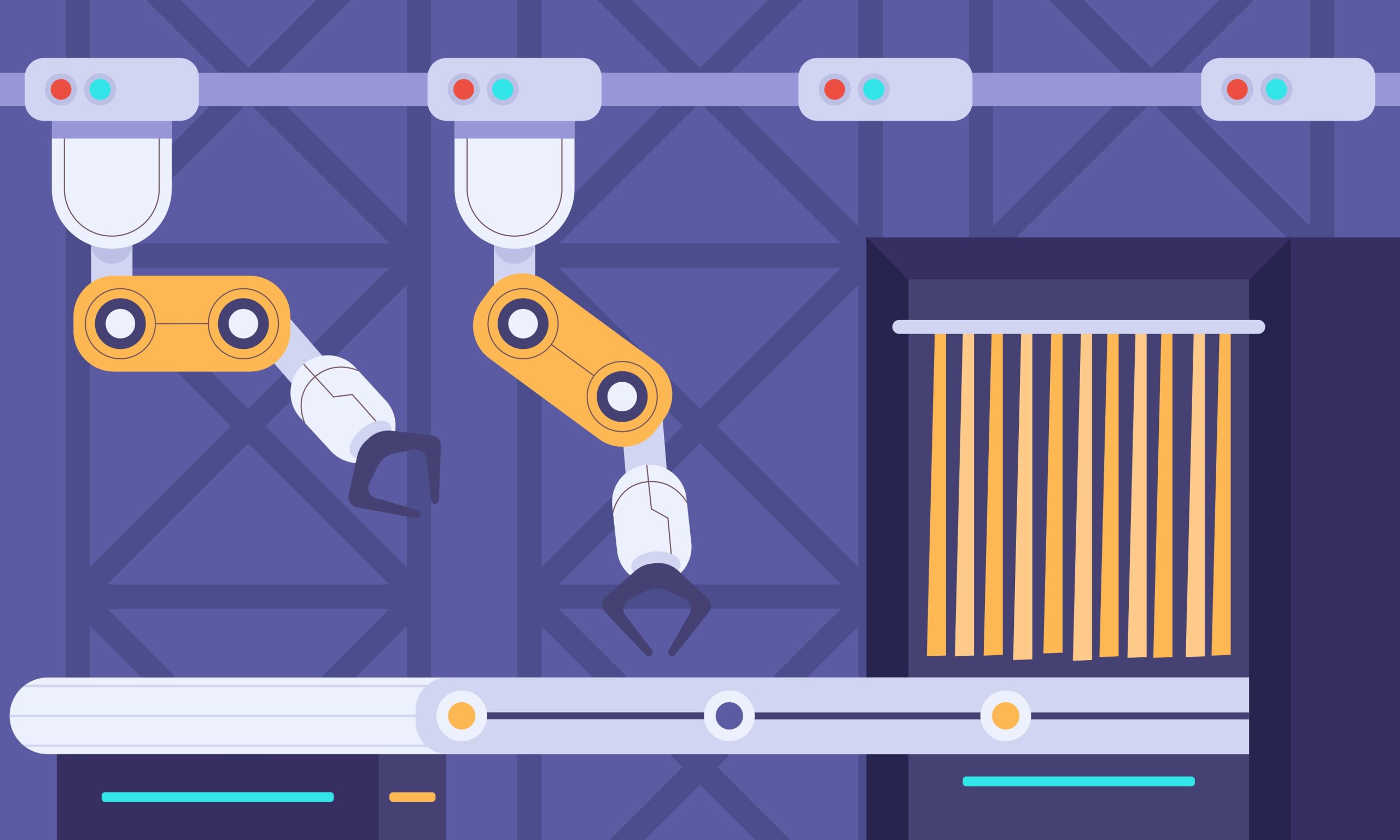
Resilient CI/CD Architectures in High-Velocity Hubs
Engineering teams in mainland China’s technology hubs are facing persistent operational hurdles related to releasing features at scale without degrading production reliability. New training materials emphasize the importance of architecting resilient CI/CD, cloud, and container platforms. The focus is on moving away from isolated development and manual production management toward automated, reliable deployment pipelines that can withstand high-velocity change requests.
Modernizing Build Systems and Operational Culture
Parallel efforts are underway to modernize build systems, clusters, and operational culture to address common issues like release delays, deployment outages, and difficult rollouts. These initiatives highlight that when developers write code in isolation and operations engineers manually manage servers, deployment reliability suffers. The push is for integrated platforms that automate these workflows to reduce toil and improve stability.
Analysis
The shift toward "sovereign AI" in platform engineering, as demonstrated by Nvidia and Palantir, marks a pivotal moment for DevOps practitioners. For years, the industry has chased larger and larger general-purpose models, often incurring high computational costs and latency. The success of the 30B Nemotron model in outperforming an 18x larger competitor suggests that platform engineering must now prioritize data curation and fine-tuning pipelines over raw model size.
This aligns with the broader industry trend of reducing cognitive load on developers by providing specialized, efficient tools rather than monolithic solutions. For platform teams, this means building infrastructure that supports rapid iteration on smaller, domain-specific AI models, integrating them directly into supply chain and operational workflows to enhance decision-making speed and accuracy.
What to Watch
- Adoption of Sovereign AI: Watch for other major tech firms following Nvidia's lead in deploying fine-tuned, smaller models for internal operational efficiency rather than relying solely on external API calls to massive LLMs.
- CI/CD Resilience Standards: Increased emphasis on formal standards for resilient CI/CD architectures, particularly in regions with high-velocity software delivery demands like mainland China, may influence global best practices for deployment reliability.
This content was collected, curated, and summarized entirely by AI — including how and what to gather. It may contain inaccuracies. Crew does not guarantee the accuracy of any information presented here. Always verify facts on your own before acting on them. Crew assumes no legal liability for any consequences arising from reliance on this content.
Powered by
