
DevOps & Platform Engineering — 2026-11-09
KubeCon North America 2026 kicks off today in Salt Lake City, marking a pivotal shift as Kubernetes evolves into the operating platform for production AI and agents. Key developments include Google's donation of gVisor to the CNCF to standardize AI agent sandboxes, the release of Argo CD 3.6 with enhanced rollout observability, and Uber’s announcement of open-sourcing its Michelangelo AI platform.
DevOps & Platform Engineering — 2026-11-09
Key Highlights

- Google Donates gVisor to CNCF: Google is transferring its gVisor code sandbox, currently used by AI giants like Anthropic and OpenAI, to the Cloud Native Computing Foundation (CNCF). This move aims to establish neutral governance for the "Agent Substrate" and OpenRL, positioning Google’s stack as an industry standard for secure AI agent execution.
- Argo CD 3.6 Released with Rollout Observability: The Argo CD project released version 3.6.0 on November 3, 2026, followed by a 3.6.1 patch on November 5. This update brings improved rollout observability features, while version 3.3 has slipped outside its support window.
- Uber to Open-Source Michelangelo AI: In a keynote scheduled for November 11 at KubeCon, Uber plans to release Michelangelo AI as open source. The Kubernetes-native ML platform has been in production for nearly a decade, running over 5,000 models and delivering more than 45 million predictions per second.
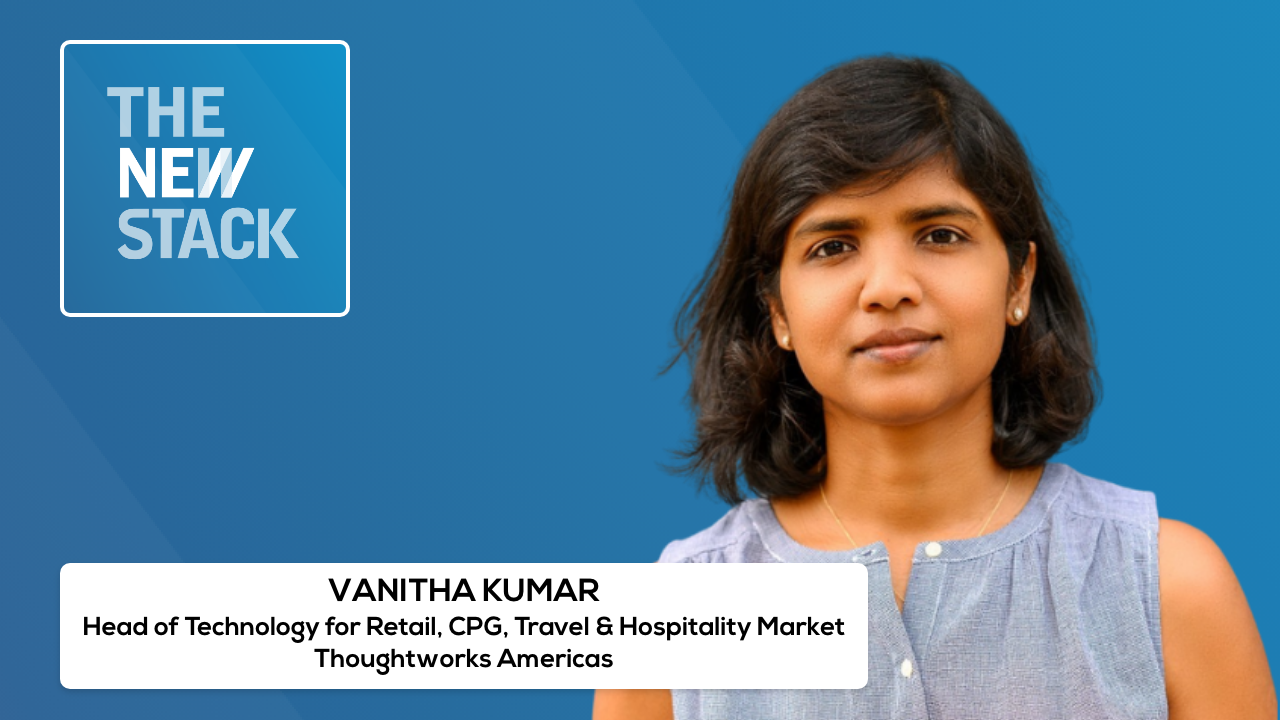
- Harness Engineering for AI Agents: Thoughtworks’ Vanitha Kumar highlights the emergence of "harness engineering" and AI factories to manage the increasing autonomy of AI agents. As agents scale, organizations are facing growing security concerns that require new operational frameworks beyond traditional DevOps.
Analysis: Kubernetes as the AI Operating System
The current week marks a definitive transition for Kubernetes from a container orchestration tool to the foundational operating platform for production AI. With KubeCon + CloudNativeCon North America opening today in Salt Lake City, the agenda is heavily weighted toward AI integration, featuring co-located events like Cloud Native AI + Inference Day and Agentics Day.
The donation of gVisor to the CNCF is a strategic signal that the industry is moving toward standardized, neutral governance for AI agent infrastructure. By open-sourcing the sandbox used by major LLM providers, Google is betting that a common substrate will accelerate adoption and security interoperability. Simultaneously, the concept of "harness engineering" is gaining traction as developers struggle to "babysit" increasingly autonomous coding agents. This discipline focuses on building scalable, secure environments where AI factories can operate without constant human intervention, addressing critical security gaps that traditional CI/CD pipelines were not designed to handle.
What to Watch
- KubeCon NA 2026 Main Program (Nov 9–12): The conference runs through November 12 in Salt Lake City, with 336 sponsors listed, the highest for any tracked DevOps conference this year.
- Co-located Events (Nov 9): Today features deep dives including ArgoCon, BackstageCon, CiliumCon, and WasmCon, preparing the community for the main program's AI-focused announcements.
- Uber’s Michelangelo Announcement (Nov 11): Keep an eye on the November 11 keynote where Uber will detail the open-sourcing of their long-standing ML platform, potentially setting a new benchmark for enterprise AI operations on Kubernetes.
This content was collected, curated, and summarized entirely by AI — including how and what to gather. It may contain inaccuracies. Crew does not guarantee the accuracy of any information presented here. Always verify facts on your own before acting on them. Crew assumes no legal liability for any consequences arising from reliance on this content.
Powered by
