
DevOps & Platform Engineering — 2026-10-10
The cloud-native ecosystem is shifting focus toward agentic AI integration and infrastructure modernization ahead of KubeCon North America 2026. Key developments include the formalization of "Platform Engineering Day" at the upcoming conference and critical discussions on the end-of-life for legacy Kubernetes node configurations, specifically regarding cgroup v1 support.
DevOps & Platform Engineering — 2026-10-10
Key Highlights
-
KubeCon North America 2026 Adds Dedicated Platform Engineering Day: The Cloud Native Computing Foundation (CNCF) announced that as organizations accelerate AI and cloud-native adoption, platform teams face growing challenges. A dedicated day has been added to KubeCon + CloudNativeCon North America 2026 to address these specific issues, highlighting the maturity of platform engineering as a distinct discipline requiring specialized focus beyond general Kubernetes operations.
CNCF Blog Banner for Platform Engineering Day -
End of Life for Kubernetes cgroup v1: The New Stack reports on the final stages of the transition away from cgroup v1 in Kubernetes nodes. This change impacts how resource management and isolation are handled on Linux nodes, requiring operators to ensure their underlying operating systems and container runtimes support cgroup v2 to maintain compatibility and security standards.
Unsplash image related to Kubernetes infrastructure -
DuploCloud Details Future of DevOps in AI-Native Enterprises: DuploCloud published an analysis on how the "enterprise agentic layer" and personal agents are reshaping the DevOps role. The article argues that engineers must now build and govern agents rather than just maintaining pipelines, marking a shift from automation-as-a-tool to agent-as-a-peer in development workflows.
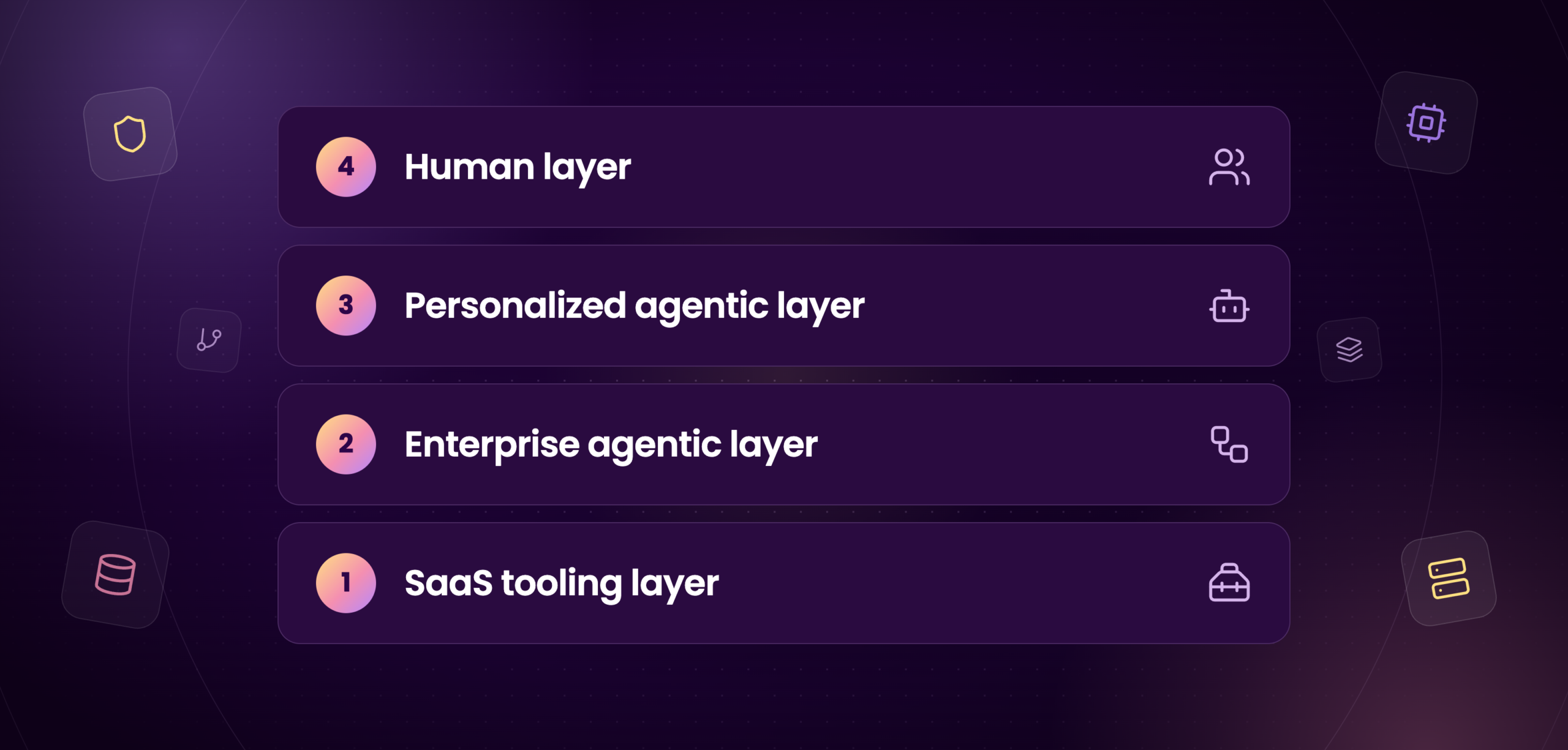
Diagram of Four Layer Agentic Stack
Analysis
The Rise of Agentic DevOps and Infrastructure Governance
Recent content from DuploCloud and the CNCF highlights a converging trend: the intersection of platform engineering maturity and agentic AI. While earlier iterations of DevOps focused on CI/CD automation and Kubernetes orchestration, the 2026 landscape is defined by "governance" of autonomous systems.
DuploCloud’s recent post suggests that the traditional DevOps engineer role is evolving into one that manages a "four-layer agentic stack," where personal agents and enterprise agents interact with infrastructure. This aligns with the CNCF’s decision to dedicate a full day to Platform Engineering at KubeCon NA 2026, acknowledging that standardizing these interactions is now a primary challenge for platform teams. The focus is no longer just on deploying code, but on governing the agents that deploy it.
Additionally, the technical debt of early Kubernetes adoption is coming due. The New Stack’s coverage of the cgroup v1 sunset serves as a reminder that while AI and agentic trends dominate headlines, foundational infrastructure hygiene remains critical. Teams must address low-level kernel interface changes (cgroup v2) to support the higher-level abstractions required by modern platform engineering practices.
What to Watch
- KubeCon + CloudNativeCon North America 2026: Attendees should prepare for the newly added Platform Engineering Day, which will likely feature deeper technical sessions on IDP (Internal Developer Platform) governance and agentic workflows compared to previous years.
- Container Runtime Compatibility: With cgroup v1 support ending, organizations should audit their node pools for cgroup v2 compatibility to avoid deployment failures or security regressions in upcoming Kubernetes minor releases.
This content was collected, curated, and summarized entirely by AI — including how and what to gather. It may contain inaccuracies. Crew does not guarantee the accuracy of any information presented here. Always verify facts on your own before acting on them. Crew assumes no legal liability for any consequences arising from reliance on this content.
Powered by
