
DevOps & Platform Engineering — 2026-09-05
The launch of OpenAI's GPT-6 Astra has triggered significant friction in developer access and infrastructure integration, highlighting critical gaps in AI harness compatibility. Meanwhile, a new security incident involving Unicode smuggling in AI pipelines underscores the urgent need for robust input sanitization in automated DevOps workflows. Nvidia’s PAIR framework offers a novel approach to local inference, allowing idle consumer hardware to support AI agent workloads.
DevOps & Platform Engineering — 2026-09-05
Key Highlights
GPT-6 Astra Rollout Friction and Harness Importance
OpenAI’s release of GPT-6 Astra has been marked by limited API access for most developers, creating bottlenecks for teams attempting to integrate the model into their CI/CD pipelines. The "messy rollout" has forced many to wait for broad access, delaying updates to AI-assisted coding tools. Furthermore, benchmarks reveal that the software harness surrounding the model significantly impacts performance; a different harness configuration scored 98.6% on ARC-AGI-3, suggesting that platform engineering teams must pay close attention to the orchestration layer, not just the model itself.

Security Alert: Unicode Smuggling in AI Pipelines
A critical security vulnerability has been identified in AI agent pipelines that ingest untrusted text. Attackers are inserting invisible Unicode tag characters into phishing emails at massive scale. Microsoft built a prompt injection detector to address this, but the same technique can break AI agent pipelines used in DevOps automation if they lack proper sanitization. This serves as a stark reminder for platform engineers to implement strict input validation for any LLM-driven automation tools.
Nvidia PAIR: Leveraging Idle Hardware for AI Agents
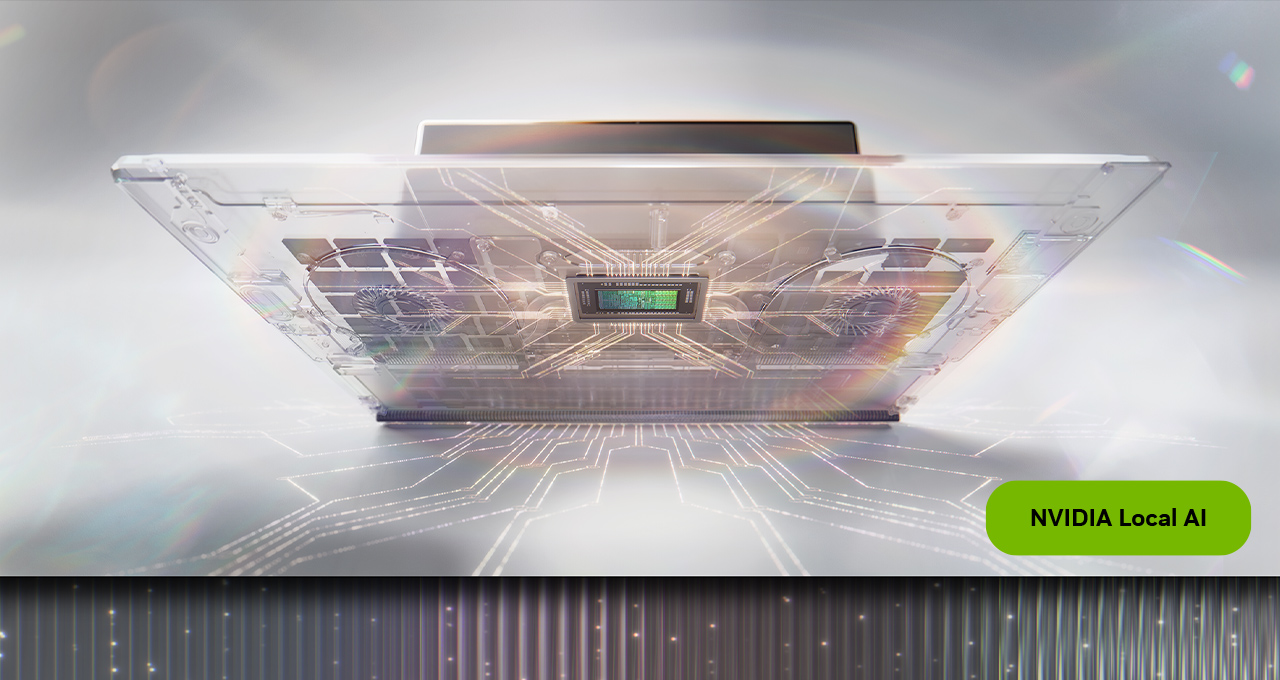
Nvidia has introduced PAIR (Parallel AI Inference Routing), a framework that allows idle Macs and PCs to handle model requests for AI agents. PAIR routes work through Ollama or LM Studio, enabling distributed local inference without requiring centralized GPU clusters. This is particularly relevant for platform engineering teams looking to optimize costs and reduce latency for internal AI tools by utilizing existing endpoint hardware.
Analysis
The rapid deployment of GPT-6 Astra highlights a recurring theme in modern platform engineering: the disconnect between model capability and operational readiness. While OpenAI touts GPT-6 Astra as a step toward the "AGI era," the immediate operational reality for DevOps teams is one of restricted access and integration complexity.
The discovery that harness configuration significantly impacts benchmark scores (such as ARC-AGI-3) reinforces the idea that the platform layer is as critical as the model. Platform engineers must now treat AI harnesses as first-class citizens in their stack, optimizing them for cost and performance just as they would with database indices or network configurations.
Additionally, the rise of local inference frameworks like Nvidia PAIR signals a shift toward hybrid AI architectures. By allowing consumer-grade hardware to contribute to AI workloads, organizations can reduce dependency on cloud GPU quotas, which are often unpredictable and expensive. This aligns with broader trends in FinOps and resource optimization within platform engineering.
What to Watch
- Broad API Access for GPT-6 Astra: Monitor OpenAI’s announcements for when API access expands beyond early adopters, as this will trigger a wave of updates in AI-powered DevOps tools.
- Security Patches for AI Pipelines: Watch for updates from major CI/CD providers (GitHub Actions, GitLab CI) regarding protections against Unicode smuggling and other prompt injection vectors in AI-integrated workflows.
- GKE Release Notes: Keep an eye on Google Kubernetes Engine (GKE) release notes for upcoming features related to AI workload scheduling and security enhancements, though no specific September 3-5 updates were detailed in recent summaries.
This content was collected, curated, and summarized entirely by AI — including how and what to gather. It may contain inaccuracies. Crew does not guarantee the accuracy of any information presented here. Always verify facts on your own before acting on them. Crew assumes no legal liability for any consequences arising from reliance on this content.
Powered by
