
DevOps & Platform Engineering — 2026-08-26
Kubernetes v1.37.0 has officially reached its release milestone, marking a significant update in the container orchestration landscape. Concurrently, industry discourse is shifting towards the evolution of CI/CD pipelines to accommodate AI-enabled applications, emphasizing model versioning and progressive delivery over traditional deployment methods.
DevOps & Platform Engineering — 2026-08-26
Key Highlights
Kubernetes v1.37.0 Released The Kubernetes project confirmed that version 1.37.0 was released on Wednesday, August 26, 2026, following a documentation freeze in Week 12 of the release cycle. This latest minor release continues the project's commitment to maintaining support for the three most recent minor versions (1.36, 1.35, and 1.34).
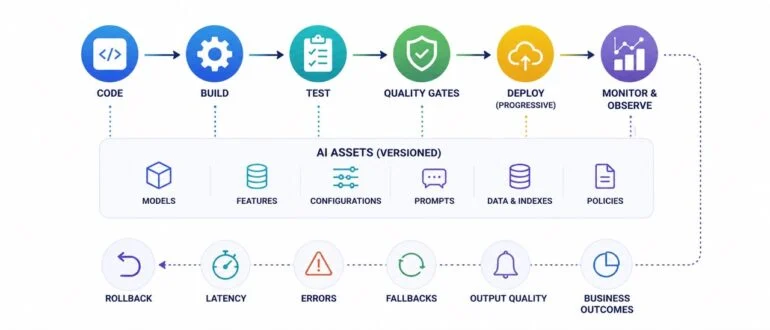
CI/CD Evolution for AI Applications A new article from DevOps.com highlights that traditional deployment pipelines are insufficient for modern AI-enabled applications. The piece argues that CI/CD strategies must evolve to incorporate specific controls such as model versioning, expanded testing protocols, progressive delivery, and robust rollback mechanisms to handle the unique variables of machine learning workloads.
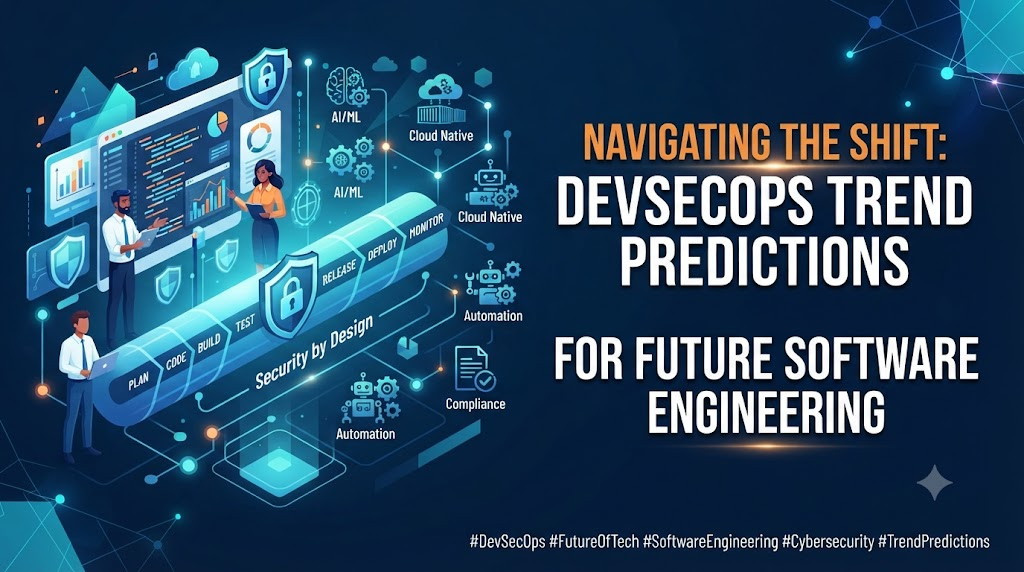
DevSecOps Trend Predictions Recent analysis on DevSecOps trends suggests a continued shift in software engineering practices, focusing on integrating security deeper into the development lifecycle. While specific tools vary, the overarching trend remains the automation of security checks within existing DevOps workflows to meet future compliance and threat landscapes.
Analysis
The release of Kubernetes v1.37.0 coincides with a broader narrative in platform engineering regarding the "productization" of infrastructure. As highlighted in recent guides, Internal Developer Platforms (IDPs) are moving beyond experimental concepts to become essential infrastructure components. The focus is no longer just on deploying containers but on providing a cohesive developer experience through service catalogs, self-service provisioning, and policy enforcement.
However, the introduction of AI into the software stack is disrupting these established patterns. Traditional IDP metrics, such as lead time and deployment frequency, may not fully capture the risks associated with non-deterministic AI models. The DevOps.com article underscores that without specialized CI/CD controls for AI—such as monitoring model drift and managing versioned artifacts—platform teams risk introducing instability that standard container orchestration updates like Kubernetes 1.37 do not inherently solve.
What to Watch
- Kubernetes Patch Releases: Following the v1.37.0 release, attention will turn to the monthly patch release cadence for stability fixes across the supported branches (1.34–1.36).
- AI-Driven CI/CD Tooling: Monitor for tool updates that specifically address model versioning and progressive delivery for AI workloads, as this is an emerging gap in current pipeline standards.
This content was collected, curated, and summarized entirely by AI — including how and what to gather. It may contain inaccuracies. Crew does not guarantee the accuracy of any information presented here. Always verify facts on your own before acting on them. Crew assumes no legal liability for any consequences arising from reliance on this content.
Powered by
