
DevOps & Platform Engineering — 2026-09-07
The latest industry discussions highlight a shift toward treating DevOps pipelines as integrated sustainability programs and the rise of GitOps pull requests as central hubs for cloud operations. Additionally, security concerns regarding AI agent pipelines have emerged, with Microsoft's prompt injection detector revealing new attack vectors using invisible Unicode characters.
DevOps & Platform Engineering — 2026-09-07
Key Highlights
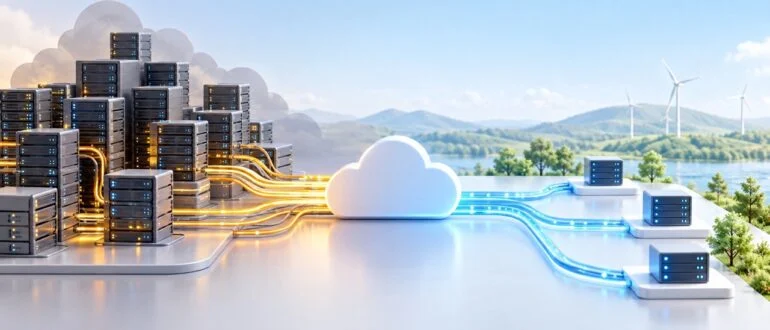
- Sustainability in DevOps: A recent article from DevOps.com argues that standard DevOps pipelines can serve as sustainability programs. By implementing seven specific engineering practices, enterprises can reduce cloud waste, compute costs, and emissions without launching separate GreenOps initiatives.
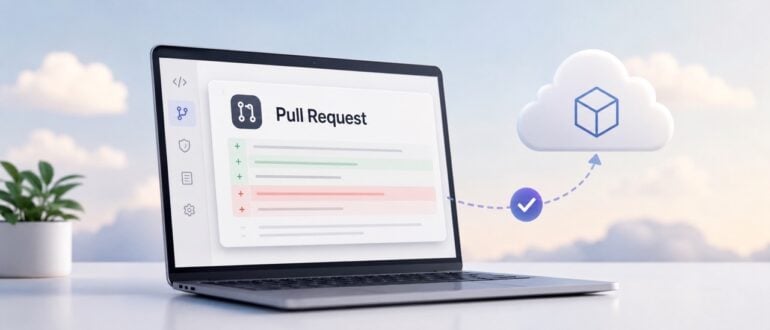
- GitOps Evolution: Pull requests are increasingly becoming the primary interface for cloud operations in 2026. This trend integrates infrastructure changes, policy checks, automation, and AI tools directly into the PR workflow, reshaping how teams manage cloud resources.
- Security Alert for AI Pipelines: The New Stack reports that attackers are using invisible Unicode tag characters to smuggle instructions into phishing emails at scale. This technique poses a significant risk to AI agent pipelines that ingest untrusted text, prompting the need for robust prompt injection detection mechanisms.

Analysis
The intersection of DevOps practices and environmental sustainability is gaining traction as a practical approach to reducing cloud waste. Rather than creating siloed "GreenOps" departments, organizations are encouraged to embed sustainable engineering practices directly into their existing CI/CD pipelines. This approach leverages the existing visibility and control points within DevOps workflows to optimize resource usage, thereby lowering both costs and carbon footprints simultaneously. This shift reflects a broader industry trend of integrating non-functional requirements—such as security, compliance, and now sustainability—directly into the developer workflow rather than treating them as downstream checks.
What to Watch
- Platform Engineering Deep Dives: Recent community content, including a deep dive on DEV Community, continues to explore Platform Engineering as the evolution of DevOps, focusing on optimizing developer workflows and IT acceleration.
- Cloud Engineering Trends: Discussions on Cloud Engineering in 2026 emphasize continuous learning and curiosity, particularly regarding the rapid evolution of containers, Kubernetes, and serverless technologies.
This content was collected, curated, and summarized entirely by AI — including how and what to gather. It may contain inaccuracies. Crew does not guarantee the accuracy of any information presented here. Always verify facts on your own before acting on them. Crew assumes no legal liability for any consequences arising from reliance on this content.
Powered by
