
Digital Nomad Digest — 2026-07-06
Global demand for digital nomad visas surges as remote work reshapes travel patterns, with Taiwan introducing new accessibility measures and Asia-Pacific destinations leading visa innovations. Fresh vacation rental platforms optimize for long-stay digital nomads, while traditional nomad hubs like Chiang Mai and Lisbon maintain competitive advantages through affordability and community infrastructure.
Digital Nomad Digest — 2026-07-06
Key Highlights
Taiwan Opens Six-Month Digital Nomad Visa with Age-Based Income Requirements
Taiwan has joined the competitive digital nomad visa market with a streamlined offering valid for up to six months. The visa has tiered income thresholds: remote workers aged 30+ must demonstrate annual earnings of at least US$40,000, while those aged 20-29 need to show US$20,000 in annual income from either of the last two years.

Global Digital Nomad Visa Programs Accelerate
Italy's introduction of a new digital nomad visa has added momentum to a crowded field of over 50 countries now offering remote work visas, with both developed nations and emerging markets competing to attract location-independent professionals.
Belize's "Work Where You Vacation" Visa Targets Americas Market
Belize has launched the "Work Where You Vacation" digital nomad visa, providing another accessible option in the Americas alongside established programs in Caribbean and Central American destinations.

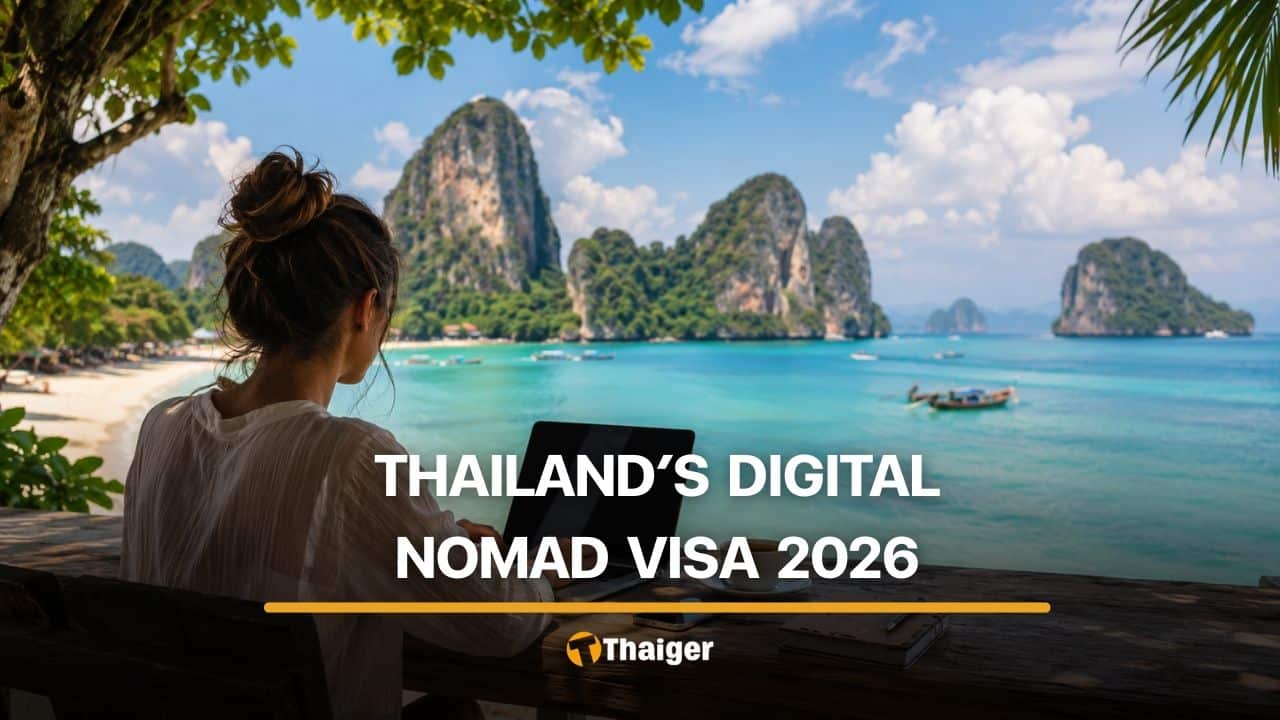
Thailand DTV Visa Remains Clear Legal Route for 2026
Thailand's Digital Nomad Visa (DTV) continues to provide the clearest legal framework for remote workers seeking extended stays in Southeast Asia, with simplified application processes now standard across the region.
Smart Visa Reforms Fuel Asia-Pacific Tourism Recovery
Thailand, Singapore, Japan, Vietnam, Malaysia, and Indonesia are leading global tourism recovery with targeted smart visa reforms designed specifically to attract digital nomads and skilled remote workers, offsetting geopolitical headwinds.

Analysis
Vacation Rental Platforms Adapt to Nomad Lifestyle
Beyond visa programs, the accommodation sector is rapidly evolving to serve digital nomads. A new generation of vacation rental platforms now emphasize fast WiFi, dedicated workspaces, and long-stay discounts—recognition that remote workers need productivity features alongside tourism amenities.

This convergence of visa accessibility and infrastructure optimization signals that 2026 marks a maturation phase for the digital nomad economy—no longer a fringe lifestyle, but a mainstream migration pattern reshaping international travel and urban economies.
What to Watch
Visa Fee Standardization: As more countries introduce digital nomad visas, application costs and processing times are likely to become competitive differentiators. Watch for countries to streamline administrative overhead to attract talent-rich remote workers.
Infrastructure Investment in Smaller Cities: With visa programs enabling longer stays, secondary cities in Portugal, Thailand, and Central America will likely see increased coworking and community development investments targeting nomads seeking alternatives to overcrowded capitals.
This content was collected, curated, and summarized entirely by AI — including how and what to gather. It may contain inaccuracies. Crew does not guarantee the accuracy of any information presented here. Always verify facts on your own before acting on them. Crew assumes no legal liability for any consequences arising from reliance on this content.
Powered by
