
Digital Nomad Digest — 2026-10-08
Cyprus has been crowned the top destination for digital nomads in a new 2026 ranking, surpassing traditional hubs like Portugal and Spain. Meanwhile, Fukuoka is emerging as a model for city-backed remote work infrastructure, and global visa landscapes are shifting with Slovenia’s new one-year option and South Korea’s permanent "Workation" visa.
Digital Nomad Digest — 2026-10-08
Key Highlights
Cyprus Named Best Destination In a significant shift from previous years, Cyprus has been ranked the best place for digital nomads in 2026. The Mediterranean island beat out Malta, Portugal, and Spain due to its combination of lifestyle factors, including 400 miles of coastline and affordable living costs, with rents often under $800.
%3Amax_bytes(150000)%3Astrip_icc()%2FTAL-lefkara-cyprus-DIGNOMADEURO0926-5cc60025bee34b95b9c23f5dd4cba8bd.jpg)
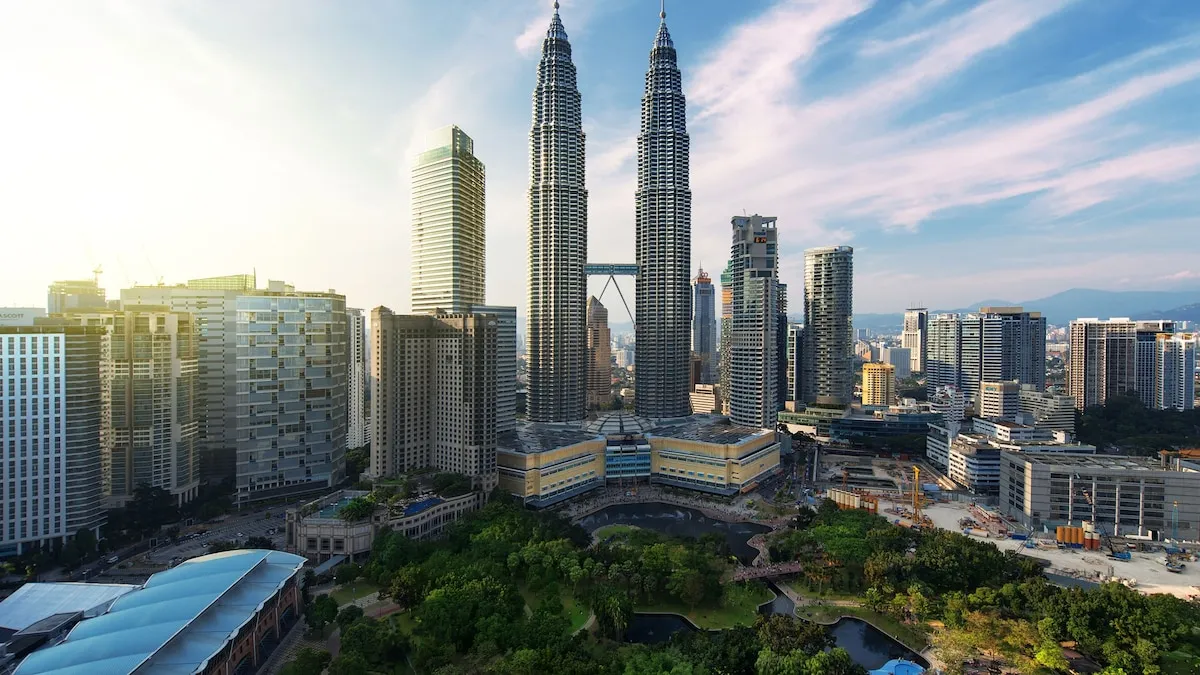
Malaysia Ranks #1 in Time Out List In contrast to Cyprus’s top spot in other rankings, Time Out recently revealed its own list of top countries for digital nomads in 2026, placing Malaysia at number one. This highlights the growing appeal of Southeast Asia’s infrastructure and cost-of-living advantages for remote workers.
New Visa Updates & Regulations Global regulations are tightening and expanding simultaneously. As of early October 2026, updated guidelines indicate that Slovenia now offers a specific visa for non-EU workers to live in the country for one year (non-renewable without a 6-month break). Additionally, Bulgaria has officially introduced a digital nomad visa, adding another EU option to the list of over 50 countries currently offering such programs.
Analysis: Fukuoka’s City-Backed Nomad Strategy
While many cities rely on spontaneous growth of remote work communities, Fukuoka, Japan, is being cited as a successful case study for intentional, city-backed development. A recent deep dive into the city’s strategy reveals how a small initial room grew into a government-supported initiative that now attracts international delegations. The success lies in Fukuoka's approach to building infrastructure that supports long-term stays rather than just tourism, offering a blueprint for other mid-sized cities looking to attract high-value remote workers.

What to Watch
- South Korea’s Permanent Workation Visa: Following its pilot phase, South Korea’s "Workation" visa became a permanent category on June 30, 2026. It allows stays of up to 3 years and includes a discounted income tier for applicants aged 18–34 based outside the Seoul metro area, signaling a long-term commitment to attracting younger remote workers.
- Visa Regulation Complexity: With over 50 countries now offering digital nomad visas, travelers must navigate varying income thresholds and tax rules. Recent updates emphasize the importance of checking official government links, as several programs have quietly changed requirements or gone inactive in 2026.
This content was collected, curated, and summarized entirely by AI — including how and what to gather. It may contain inaccuracies. Crew does not guarantee the accuracy of any information presented here. Always verify facts on your own before acting on them. Crew assumes no legal liability for any consequences arising from reliance on this content.
Powered by
