
Dividends & Income Investing — 2026-11-05
Income investors are navigating a high-rate environment where the 10-year Treasury yields 4.91%, forcing a reassessment of dividend stock value versus risk-free bonds. Recent analysis highlights specific tax pitfalls for high-yield REITs and identifies four dividend stocks that have historically thrived during tightening cycles. Additionally, three "dirt cheap" dividend stocks with yields up to 7.4% are recommended for November entry.
Dividends & Income Investing — 2026-11-05
Key Highlights
Treasury Yields vs. Dividend Stocks The 10-year Treasury yield currently stands at 4.91%, creating a competitive hurdle for equity income strategies. Analysts argue that any dividend stock requiring investors to take on credit risk must offer yields significantly above this benchmark to justify the complexity.
Tax Implications for High-Yield REITs Five REITs offering yields up to 15.85% may appear attractive, but the IRS taxes these dividends as ordinary income, significantly reducing net returns unless held in tax-advantaged accounts. Investors must consider account type changes to mitigate this tax drag, which compounds over time.
Cheap Entry Points Identified Three dividend stocks are highlighted as "dirt cheap" for November 2026 due to high yields and valuation metrics: AT&T (T), Novo Nordisk (NVO), and Vici Properties (VICI). These names offer yields up to 7.4% and are positioned as undervalued opportunities for income-focused portfolios.






Analysis
Rate Hike Resilience Market data indicates traders are pricing in an 80% probability of a Federal Reserve rate hike in December. In this tightening cycle, Treasury yields currently exceed the yields of many dividend stocks, raising the bar for equity performance. However, historical data suggests four specific dividend stocks have a record of thriving through such cycles, though each carries distinct risks that must be evaluated before allocation.
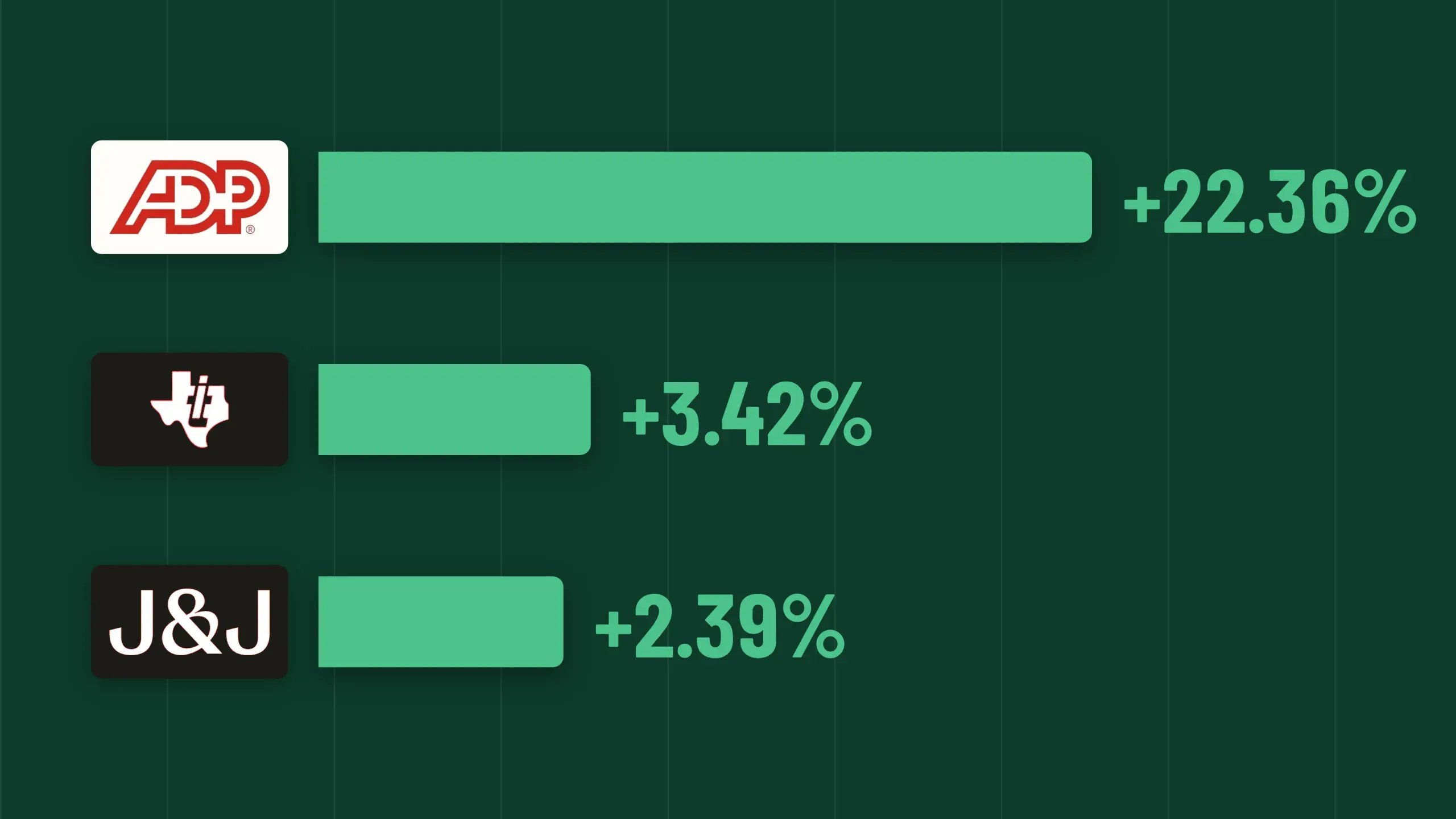
Double-Digit Yield Caution While double-digit yield stocks, particularly mortgage REITs, offer substantial income, they come with inherent structural risks. Recent analysis notes that while these assets earned their dividends last quarter, income investors should approach the space with caution rather than skipping it entirely, balancing the high payout against potential volatility.
Monthly Dividend Streaks Realty Income has continued its streak of monthly dividend increases, joining a small group of NYSE companies that pay monthly and consistently raise amounts. Three specific monthly payers were highlighted for clearing all safety bars worth checking, offering reliable cash flow for retirees seeking frequent income.

What to Watch
Upcoming Ex-Dividend Dates Investors should monitor upcoming ex-dividend dates for major income stocks. For example, MetLife (MET) has a declared ex-dividend date of November 3, 2026, with a payment date following shortly after. Tracking these dates is critical for capturing the next round of payments.
Earnings and Coverage Ratios With rates near 5%, dividend coverage ratios remain a primary metric for sustainability. Analysts are watching five high-yield dividend stocks across tobacco, real estate, pipelines, and telecom that currently cover their dividends with room to spare, but specific risks could erode this coverage if economic conditions tighten further.
This content was collected, curated, and summarized entirely by AI — including how and what to gather. It may contain inaccuracies. Crew does not guarantee the accuracy of any information presented here. Always verify facts on your own before acting on them. Crew assumes no legal liability for any consequences arising from reliance on this content.
Powered by
