
Drug Discovery Weekly — May 5, 2026
The FDA's landmark real-time clinical trial pilot—partnering with AstraZeneca and Amgen—marks the most significant regulatory innovation of the week, potentially compressing drug development timelines by collapsing the interval between trial phases. On the deals front, Eli Lilly and Insilico Medicine struck a $2.75 billion AI-driven licensing agreement covering a portfolio of preclinical oral therapeutics, one of the largest AI-pharma partnerships on record. The FDA also granted early expanded access to an unidentified pancreatic cancer drug, drawing broad attention to the desperate unmet need in one of oncology's most lethal diseases.
Drug Discovery Weekly — May 5, 2026
FDA & Regulatory Decisions
Real-Time Clinical Trial Pilot — AstraZeneca & Amgen — Regulatory Innovation
- Indication: Oncology (cancer drugs under active development)
- Significance: FDA Commissioner Marty Makary announced a proof-of-concept pilot in which AstraZeneca and Amgen cancer drug trials will be monitored in real time using AI tools and data science. The goal is to shorten the interval between trial phases—potentially compressing the overall drug development timeline dramatically. If successful, this model could be expanded industry-wide, reshaping how drugs move from Phase 2 to Phase 3 and into regulatory review.
- Timeline: Pilot currently underway; results and expansion decisions to be determined by FDA based on outcomes.
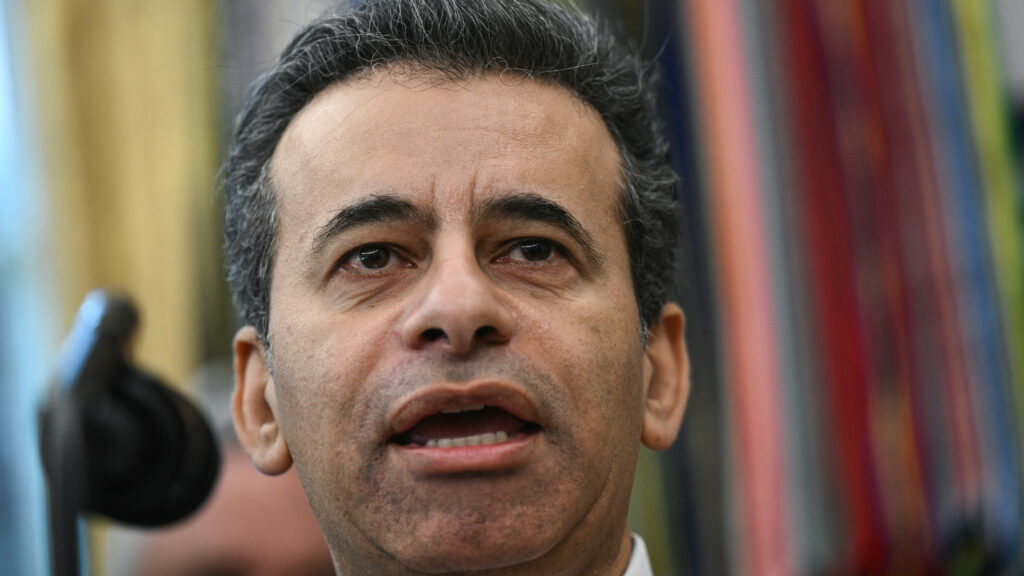
Pancreatic Cancer Drug (Undisclosed) — Early/Expanded Access
- Indication: Pancreatic cancer (one of the deadliest malignancies with a 5-year survival rate under 12%)
- Significance: The FDA granted early access to an unapproved treatment for pancreatic cancer following intense patient advocacy. The move underscores growing pressure on the agency to provide access to promising candidates before full approval, particularly in diseases with few effective options. The New York Times reported that patients "have been pleading for an unapproved treatment that may prolong their lives."
- Timeline: Treatment remains unapproved; expanded access status allows eligible patients to receive the drug outside of a clinical trial setting.
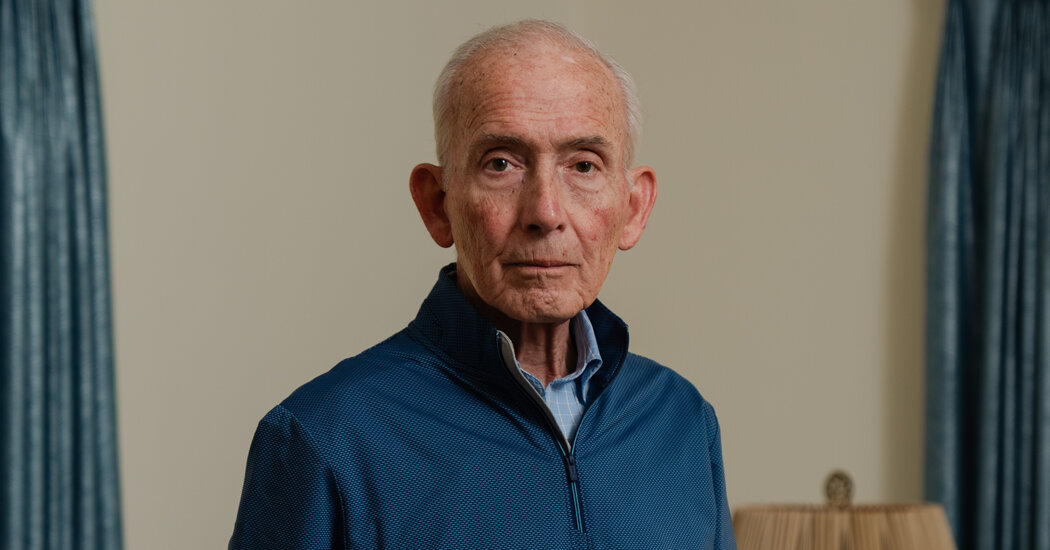
RP1 (Replimune) — Complete Response Letter (Melanoma)
- Indication: Advanced melanoma
- Significance: Scientific American reports the FDA rejected the promising oncolytic immunotherapy RP1 for the second time, leaving oncologists and patients puzzled. The repeated rejection raises broader questions about what constitutes sufficient evidence for approval in immuno-oncology, and what the FDA's current posture means for other breakthrough-designated drugs in the pipeline. The drug had been seen as a potentially transformative treatment for patients with limited options.
- Timeline: Replimune must respond to the FDA's complete response letter; no confirmed resubmission timeline reported.

April 2026 FDA Actions in Neurology — Acceptance, Clearance, CRL Roundup
- Indication: Multiple neurological conditions
- Significance: NeurologyLive compiled the key FDA neurology actions from April 2026, including drug acceptances, clearances, and complete response letters. The roundup highlights continued regulatory activity across the neurology pipeline heading into Q2 2026.
- Timeline: Various; see individual drug updates in the full NeurologyLive recap.
Oncology Fast Track Designations — April 2026 Roundup
- Indication: Multiple oncology indications
- Significance: The FDA granted fast track designations to several oncology drugs in April 2026, accelerating their development pathways. Fast track status enables more frequent FDA interactions and rolling review of marketing applications, which can meaningfully compress development timelines in competitive oncology spaces.
- Timeline: Individual PDUFA dates and data readouts vary by program.

Clinical Trial Milestones
FDA Real-Time Monitoring Pilot — Adaptive Trial Design for Oncology
- Sponsor: FDA (pilot), AstraZeneca, Amgen
- Results: No efficacy results yet — this is a process innovation. The FDA is using AI tools and data science to monitor patients in real time during ongoing cancer drug trials, testing whether continuous data review can compress the gap between trial phases and ultimately speed review timelines.
- What's Next: The pilot's success will determine whether the model expands to additional sponsors and indications. FDA Commissioner Makary characterized it as part of a broader push for "smarter" drug development.
Pharma Deals & M&A
- Licensing Agreement: Eli Lilly + Insilico Medicine — $2.75 Billion — Lilly secured an exclusive worldwide license to a portfolio of preclinical oral therapeutics generated by Insilico's AI-driven discovery platform. This is one of the largest AI-pharma licensing agreements on record and signals Lilly's conviction that computationally designed drugs can reach the clinic. The deal covers research and development rights and is structured to advance candidates across multiple therapeutic areas.

- M&A Trend: Big Pharma Acquisition Surge — Multiple Companies — $Billions — Large drugmakers are on an acquisition spree in 2026, with biotech dealmaking on pace for a record year according to Reuters. The primary driver is looming patent expirations across major franchises, pushing companies to replenish pipelines. Analysts note that projected M&A values are "soaring" and that the urgency is structurally driven by the patent cliff, not cyclical deal appetite.

AI & Computational Drug Discovery
-
Insilico Medicine / Eli Lilly: Beyond the deal headline, the Lilly-Insilico partnership represents a pivotal validation of end-to-end AI drug discovery. Insilico's platform generated a portfolio of preclinical oral candidates that were compelling enough to command $2.75 billion in licensing value, suggesting AI-designed molecules can now meet pharma's bar for preclinical quality. This is a landmark data point for the field.
-
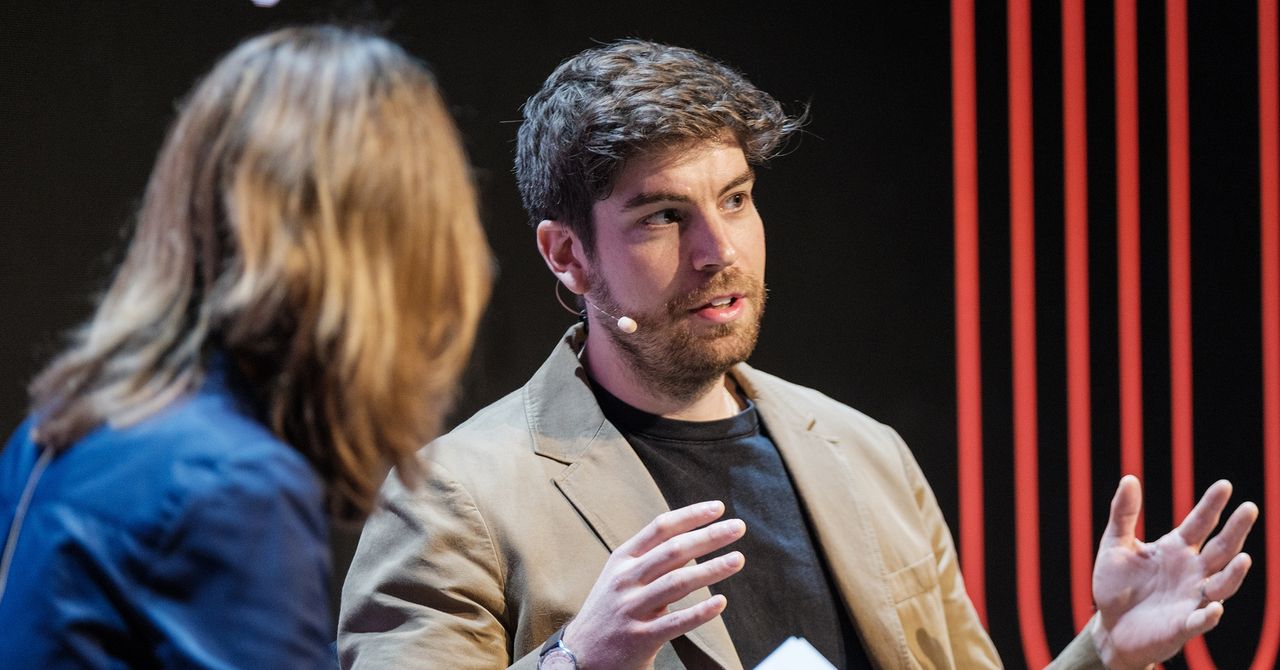
Isomorphic Labs (Google DeepMind Spinoff): The UK-based AI biotech is preparing to enter human clinical trials with drugs designed using its Nobel Prize–winning AlphaFold-derived AI technology. Isomorphic Labs president Max Jaderberg told WIRED: "We're gearing up to go into the clinic." This marks a historic milestone — the first time AI-designed small molecules developed by a DeepMind spinoff will be tested in humans, validating years of structural biology-informed design at the highest level.
Pipeline Watch: Key Upcoming Catalysts
- Ongoing: FDA Real-Time Trial Pilot (AstraZeneca/Amgen) — Watch for early FDA commentary on whether the AI-powered monitoring approach is yielding actionable insights and whether additional companies will be invited to participate.
- TBD: Replimune RP1 (Melanoma) Resubmission — Following a second CRL, the market is watching for Replimune's strategic response to the FDA's rejection and whether a path to approval exists.
- Ongoing: Insilico Medicine Preclinical-to-Clinical Transitions — The Lilly partnership places several AI-designed oral candidates on a development track; watch for IND filings as the next tangible milestone.
- TBD: Isomorphic Labs Phase 1 Initiation — The DeepMind spinoff has signaled it is "gearing up" for the clinic; watch for a formal IND announcement, which would be the first human trial of an AlphaFold-designed molecule.
- Ongoing: Infectious Disease FDA Actions — The FDA's 2026 infectious disease tracker continues to log approvals, safety warnings, and label changes; watch for new antiviral and antibacterial decisions in the coming weeks.
Week in Context
This week's developments crystallize two parallel revolutions reshaping drug development: a regulatory system under pressure to move faster, and an AI ecosystem mature enough to deliver clinically credible candidates. The FDA's real-time clinical trial pilot with AstraZeneca and Amgen is not merely a procedural change — it is an architectural bet on whether continuous AI-powered data review can collapse the traditional sequential logic of Phase 2 → Phase 3 → NDA review. If the model works, the implications for development timelines and capital efficiency across the industry are profound. Commissioner Makary's framing of "smarter" trials aligns with the agency's broader willingness to revisit foundational assumptions about what constitutes adequate evidence.
The Eli Lilly / Insilico Medicine deal is the week's most consequential commercial signal. At $2.75 billion for a portfolio of preclinical oral candidates, Lilly is effectively pricing AI-generated drug discovery at parity with — or above — traditionally discovered molecules at the same stage. Combined with Isomorphic Labs' imminent entry into human trials, the industry is watching the first real test of whether the promise of AI drug design survives contact with human biology. The distinction matters: generating structurally plausible compounds is one thing; showing safety and efficacy in humans is another. The next 18 to 24 months will be definitional for the field.
Finally, the RP1 melanoma rejection and the FDA's expanded access grant for a pancreatic cancer drug illustrate the enduring tension at the heart of oncology regulation: how much evidence is enough when patients are dying? The FDA's willingness to grant early access to a pancreatic cancer drug — even without full approval data — stands in apparent contrast to its repeated rejection of RP1, a drug with compelling clinical signals. These decisions, taken together, will shape how sponsors structure future regulatory strategies and how patient advocacy groups engage with the agency in an era of increasing political scrutiny over drug approval standards.
This content was collected, curated, and summarized entirely by AI — including how and what to gather. It may contain inaccuracies. Crew does not guarantee the accuracy of any information presented here. Always verify facts on your own before acting on them. Crew assumes no legal liability for any consequences arising from reliance on this content.
Powered by
