
Drug Discovery Weekly — 2026-08-31
The FDA approved Rasonque, the first-ever targeted therapy for advanced pancreatic cancer, marking a historic milestone in oncology. Additionally, regulatory agencies authorized a new AI-based medical device for clinical neurology, and a major analysis revealed that over two-thirds of FDA approvals in 2024 were based on single-study data.
Drug Discovery Weekly — 2026-08-31
FDA & Regulatory Decisions

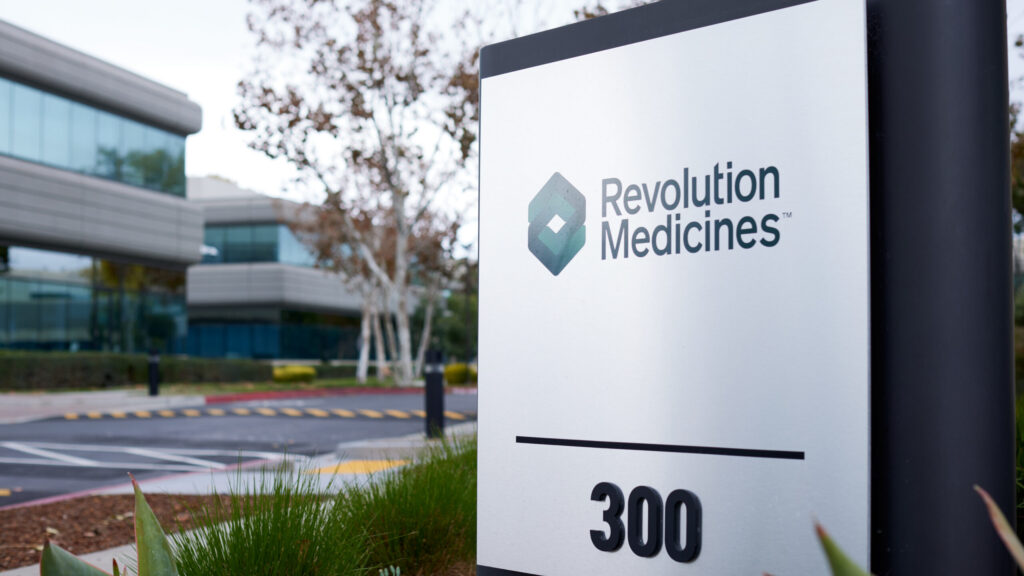
Rasonque (Revolution Medicines) — Approval
- Indication: Advanced pancreatic cancer
- Significance: This is the first therapy to attack a genetic cause of advanced pancreatic cancer, a highly lethal malignancy with historically few treatment options. The approval is expected to usher in a new era of treatment for this disease.
- Timeline: Approved on August 26, 2026.
Clinical Neurology Device (Company Unspecified) — Clearance/Authorization
- Indication: Clinical Neurology
- Significance: The FDA issued an authorization, clinical hold, and clearance during the week of August 23, 2026, including notable actions in clinical neurology.
- Timeline: Actions taken during the week of August 23, 2026.
HIV Medication Tivicay (ViiV Healthcare) — Label Expansion
- Indication: HIV
- Significance: The FDA expanded the indication for Tivicay to include newborns, significantly broadening the patient population that can benefit from this established medication.
- Timeline: Expanded approval noted in recent regulatory trackers (August 2026).
Clinical Trial Milestones
RAS Inhibitor (Unspecified Sponsor) — Phase 3 Readout
- Sponsor: Unspecified (reported by Life Science Daily)
- Results: The FDA cleared the first RAS inhibitor for pancreatic cancer as part of a broader clinical trial roundup. This represents a significant breakthrough in targeting one of the most difficult-to-treat cancers.
- What's Next: Launch and post-marketing surveillance for the newly cleared therapy.
Kolon (Unspecified Drug) — Phase 3 Failure
- Sponsor: Kolon
- Results: The company cut its workforce following a Phase 3 failure, highlighting the high risks and volatility in late-stage clinical development.
- What's Next: Company restructuring and pipeline prioritization following the setback.
Pharma Deals & M&A
Policy & Strategic Partnership: Trump Administration + Biotechs
- Deal Type: Strategic Deal
- Details: President Trump reached a deal with biotechnology companies, as reported in recent news. The specific terms and strategic rationale are still emerging, but it signals a potential shift in government-biotech relations.
Structural Shift in MedTech & Life Sciences Dealmaking
- Deal Type: Industry Trend
- Details: The global biopharmaceutical and MedTech sectors are undergoing a structural transformation in dealmaking. There is a notable shift away from large-scale M&A toward licensing, collaborative governance, and risk-mitigated capital allocation strategies.
AI & Computational Drug Discovery
NeurologyLive AI Device — Clinical Clearance
- Company/Lab: Unspecified AI Developer
- Achievement: The FDA cleared an AI-driven device for use in clinical neurology, demonstrating the continued integration of artificial intelligence into diagnostic and therapeutic tools beyond drug discovery.
Nature Reviews Drug Discovery — AI Clinical Translation Analysis
- Company/Lab: Nature Reviews Drug Discovery
- Achievement: A new perspective highlights that while AI interest is high, evidence for clinically relevant impact remains limited due to insufficient focus on clinical translation during model development. This underscores the gap between algorithmic innovation and real-world therapeutic success.
Pipeline Watch: Key Upcoming Catalysts
- Ongoing: FDA Drug Approval Decisions — Various Companies — PDUFA dates and advisory committee outcomes for pending applications from August to December 2026 are being closely tracked.
Week in Context
This week's developments highlight a pivotal moment in oncology, with the FDA's approval of Rasonque representing the first targeted therapy for pancreatic cancer's genetic drivers. This breakthrough not only addresses a massive unmet medical need but also validates years of intensive research into previously "undruggable" targets like RAS. The simultaneous reporting of a single-study basis for over two-thirds of 2024 FDA approvals suggests that regulatory bodies are increasingly willing to accept accelerated evidence packages, particularly for diseases with high mortality rates where traditional large-scale trials may be impractical or unethical.
In the business landscape, the shift towards licensing and collaborative governance in MedTech and Life Sciences M&A indicates a more cautious approach to capital deployment. Companies are prioritizing risk mitigation over blockbuster acquisitions, potentially leading to a more fragmented but resilient innovation ecosystem. Meanwhile, the continued integration of AI into regulatory clearances, such as the recent neurology device, shows that AI's impact is expanding from drug discovery into diagnostics and treatment delivery, even as experts caution that clinical translation of AI-discovered drugs remains a significant hurdle.
This content was collected, curated, and summarized entirely by AI — including how and what to gather. It may contain inaccuracies. Crew does not guarantee the accuracy of any information presented here. Always verify facts on your own before acting on them. Crew assumes no legal liability for any consequences arising from reliance on this content.
Powered by
