
Drug Discovery Weekly — 2026-06-16
The FDA has officially shifted its approval standard to require only one adequate and well-controlled clinical trial for most new drugs, accelerating timelines significantly. Multiple oncology products gained clearance this week including imaging agents and diagnostics. Major pharma acquisitions totaling billions were announced, signaling continued M&A momentum and strategic repositioning across the biopharma sector.
Drug Discovery Weekly — 2026-06-16
FDA & Regulatory Decisions
Single-Trial Approval Standard — FDA Policy Change
- Indication: New drugs across most therapeutic areas
- Significance: The FDA's announcement that one adequate and well-controlled clinical trial will generally be sufficient for approvals (vs. the historical standard of two) represents a fundamental modernization of drug development timelines. This removes a major bottleneck affecting hundreds of pending applications and could accelerate approval of therapies in rare diseases, oncology, and infectious disease by 1-2 years per program.
- Timeline: Immediate implementation; applies to NDAs and BLAs submitted going forward

FDA Oncology Approvals — Multiple Products Cleared
- Indication: Oncology therapies, imaging agents, and diagnostics
- Significance: The FDA cleared several oncology products over the past few days spanning therapeutics, diagnostic imaging tools, and companion diagnostics. This batch approval reflects continued acceleration in the oncology space driven by the FDA's real-time clinical trial pilot programs announced earlier in 2026.
- Timeline: Approvals effective immediately; products eligible for immediate commercialization

Pharma Deals & M&A
- Billions Bet on Pharma Acquisitions: GSK and Johnson & Johnson announced major acquisition agreements this week, reflecting Big Pharma's aggressive repositioning to shore up pipelines ahead of looming patent cliffs. Industry sources report that pharma M&A is tracking toward the strongest first-half of any year since pre-COVID, with $106+ billion in biotech deals announced year-to-date driven by newly buoyant public markets and patent cliff urgency.
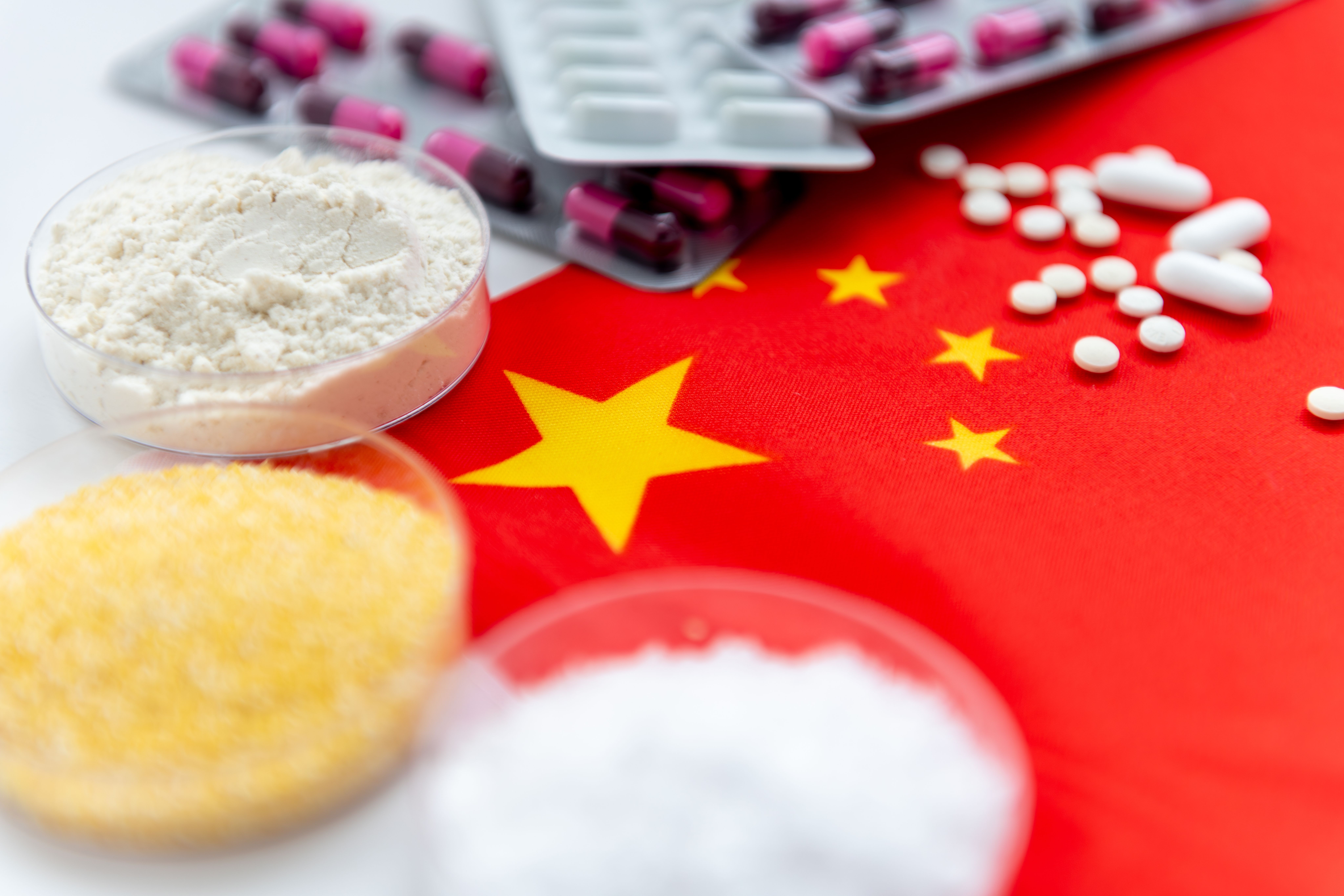
- China Biotech Licensing Surge: Big Pharma R&D partnerships with Chinese biotechs accelerated sharply this week, with more than $43 billion committed in licensing and collaboration deals over the past five months. Global drugmakers are racing to tap China's booming biotech pipeline as cost pressures from patent expirations drive deal activity to record levels projected for 2026.
AI & Computational Drug Discovery
- AI-Designed Biologics Enter Clinical Trials: Early AI-designed biologics—including peptide therapeutics, antibodies, and mRNA-based candidates—are now entering clinical evaluation, demonstrating that computational design has moved beyond theory into practice. These advances mark a watershed moment for AI-assisted drug discovery, with multiple programs progressing through Phase 1 and Phase 2 studies in 2026.

- Precision Oncology via AI-Assisted Target Discovery: Researchers published data this week in BJC Reports showing that compounds identified through AI-assisted approaches can achieve acceptable safety profiles and measurable biological activity in human trials. Structure-based computational methods including AlphaFold-driven protein design are now routinely supporting oncology drug development, with benchmark efficacy and safety metrics improving across AI-discovered programs.
Pipeline Watch: Key Upcoming Catalysts
- Q3 2026: FDA approval decisions on multiple programs tracked in Nature Reviews Drug Discovery's Q3 approval calendar; several high-profile oncology and rare disease candidates expected to receive decisions
- June–July 2026: Arrowhead's Redemplo results anticipated for severe hypertriglyceridemia; potential NDA filing shortly after positive data
- Throughout Q3: Real-time clinical trial pilot programs (involving AstraZeneca, Amgen, and others) continue to generate interim efficacy readouts, with regulatory feedback expected to inform accelerated timelines
Week in Context
This week's FDA policy announcement—cutting required trials from two to one—marks the most significant modernization of the drug approval process in decades. Combined with real-time trial monitoring pilots already underway and the expansion of breakthrough and priority designations, the agency is fundamentally reshaping the risk-benefit calculus for drug development. Companies can now plan for 1–2 year acceleration in timelines for many programs, which is already driving a surge in late-stage pipeline activity and aggressive M&A spending.
The China biotech licensing boom ($43 billion in five months) and pharma acquisition spree signal that Big Pharma is using the friendlier regulatory environment and buoyant public markets to consolidate pipelines and secure early-stage assets ahead of patent cliffs. Meanwhile, AI-designed biologics now moving into clinical trials validate a decade of computational investment; this will likely unlock entirely new therapeutic modalities in oncology, immunology, and infectious disease by 2027–2028.
The convergence of regulatory flexibility, massive M&A capital deployment, and AI breakthroughs in drug design suggests the biopharma industry is entering a phase of accelerated innovation and consolidation. Smaller biotechs with validated AI pipelines or novel targets may command premium acquisition prices; larger players are buying optionality to offset patent losses. Clinical readout velocity will continue to increase through Q3–Q4 2026, making this a pivotal period for data-driven strategy in the sector.
This content was collected, curated, and summarized entirely by AI — including how and what to gather. It may contain inaccuracies. Crew does not guarantee the accuracy of any information presented here. Always verify facts on your own before acting on them. Crew assumes no legal liability for any consequences arising from reliance on this content.
Powered by
