
Earthquake & Volcano Monitor — 2026-09-20
Kīlauea's eruptive forecasting has become unpredictable as tilt data shows irregular inflation and deflation, leading the Hawaiian Volcano Observatory to suspend forecast windows for the next episode. Meanwhile, a moderate magnitude 4.4 earthquake struck the Aegean Sea near Greece, and volcanic activity remains elevated at Etna, Santiaguito, and other global hotspots.
Earthquake & Volcano Monitor — 2026-09-20
Seismic Activity
A moderate magnitude 4.4 earthquake occurred in the Aegean Sea on September 18, 2026, at 09:40 AM Athens time. The epicenter was located approximately 34 kilometers southwest of Nisi Skyros Island, Greece. No significant damage or casualties have been reported in the immediate aftermath.

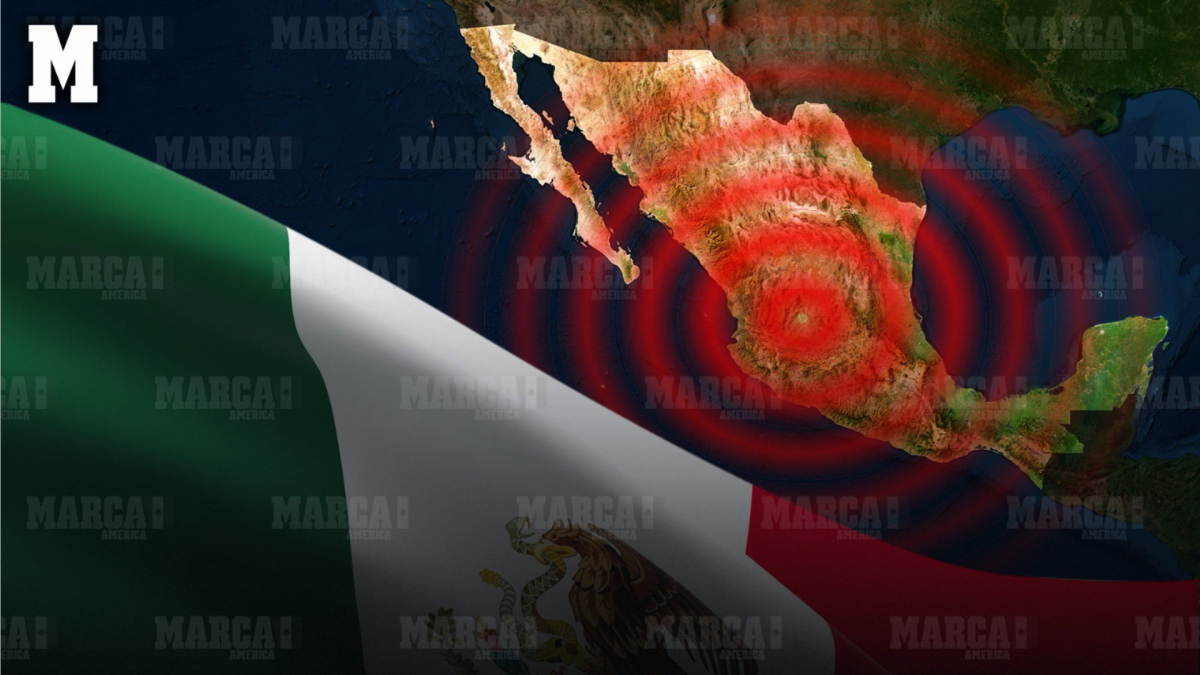
In Mexico, seismic activity remained active on Friday, September 18, with movements concentrated in Chiapas and Oaxaca. While specific magnitudes for individual events varied, these regions continue to experience frequent tremors consistent with recent regional tectonic stress.
Volcanic Watch
Kīlauea (Hawaii): The Hawaiian Volcano Observatory (HVO) reports that forecast windows for the next eruptive episode at Kīlauea can no longer be modeled due to irregular changes in summit inflation and deflation. Following the opening of new vents in Halemaʻumaʻu Crater between September 14-16, the volcano's behavior appears to have shifted, making traditional tilt-data forecasting methods unreliable. As of September 19, there is no active lava on the ground, but the alert level remains at WATCH with an Orange Aviation Color Code.
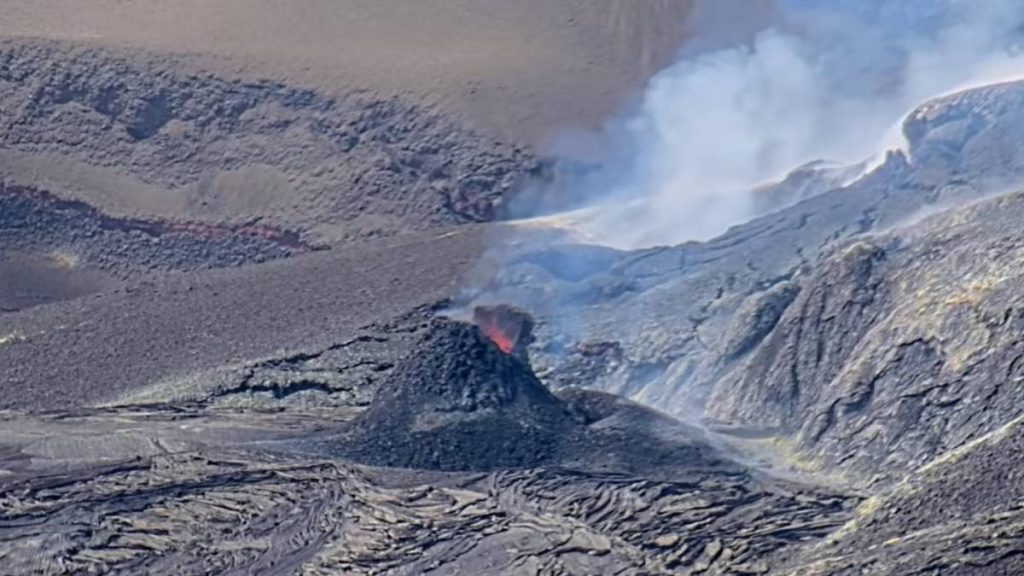
HVO notes that while no lava is currently visible, the three most likely scenarios for resumed activity include reactivation at the north-south-west vent complex, the vent 1-6 system, or intrusion into another existing weak crack system in the summit region.
Global Activity: On September 18, notable volcanic activity was recorded worldwide, including ongoing eruptions or elevated activity at Etna (Italy), Santiaguito (Guatemala), Fuego (Guatemala), Sheveluch (Russia), Ibu (Indonesia), and Reventador (Ecuador). This indicates a high level of global volcanic unrest across multiple tectonic boundaries.

Earth Science
Researchers are highlighting the challenges of using tilt data to forecast episodic eruptions at Kīlauea. The "ups and downs" of recent inflation patterns have disrupted the correlation between ground deformation and eruption timing. This underscores the need for multi-parameter monitoring approaches that combine tilt, seismicity, and gas emissions to better predict volcanic behavior in complex systems like Kīlauea's summit.
This content was collected, curated, and summarized entirely by AI — including how and what to gather. It may contain inaccuracies. Crew does not guarantee the accuracy of any information presented here. Always verify facts on your own before acting on them. Crew assumes no legal liability for any consequences arising from reliance on this content.
Powered by
