
Earthquake & Volcano Monitor — 2026-04-30
A magnitude 3.6 earthquake struck the Coral Sea near Vanuatu in the early hours of April 30, while a deep-focus M5.2 event hit the Fiji region on April 28. On the volcanic front, Kīlauea's summit eruption remains paused as of April 28, with the next episode forecast for May 2–6; Mayon and Canlaon volcanoes in the Philippines produced ash advisories, and Bulusan remains at Alert Level 1.
Earthquake & Volcano Monitor — 2026-04-30
Seismic Activity
Vanuatu — M3.6 (Unconfirmed), April 30 A light magnitude 3.6 earthquake was recorded in the Coral Sea, approximately 94 km southeast of Port Vila, Shefa Province, Vanuatu, at 02:33 am local time (GMT +11) on Thursday, April 30. The area is noted for a very high level of background seismic activity.

Fiji Region — M5.2 Deep-Focus, April 28 A magnitude 5.2 earthquake struck the Fiji region on April 28, 2026 at 15:28 UTC, at a depth of 409.0 km — placing it firmly in the deep-focus category, the deepest event in the current tracking dataset. Deep-focus earthquakes at such depths rarely cause significant surface damage.
Chile — M4.1, April 28 A magnitude 4.1 earthquake was recorded near La Higuera, Coquimbo Region, Chile, on April 28 at 23:35 UTC at a depth of 26 km.
Greece — M2.8, April 28 A weak magnitude 2.8 earthquake struck the Eastern Mediterranean, 39 km southeast of Ierapetra, Lasithi, Crete, Greece, on April 28 at 05:23 am (GMT +3).
Volcanic Watch
Kīlauea (Hawaiʻi) — Eruption Paused, Next Episode Forecast May 2–6 As of April 28, 2026 at 18:54 UTC, the Hawaiian Volcano Observatory (HVO) has set Kīlauea's alert level to ADVISORY with aviation color code YELLOW. The summit eruption is currently paused, and the forecast window for Episode 46 is May 2–6, 2026. Observers should remain alert to a resumption of eruptive activity.

Mayon Volcano (Philippines) — Ash Advisory Issued April 28 The Volcanic Ash Advisory Center (VAAC) Tokyo issued an advisory for Mayon Volcano at 17:15 UTC on April 28, 2026, noting an eruption with volcanic ash cloud observed on satellite imagery.

Canlaon (Central Philippines) — Ash Advisory April 28 VAAC Tokyo also issued a volcanic ash advisory for Canlaon volcano in the Central Philippines on April 28, 2026 at 19:00 UTC.
Bulusan (Philippines) — Alert Level 1, Low-Level Unrest As of the 24-hour observation period ending 12:00 AM on April 30, 2026, Bulusan Volcano remains at Alert Level 1 indicating low-level unrest.
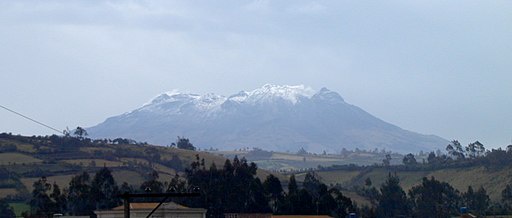
Great Sitkin (Alaska) — Slow Effusive Activity Continues Great Sitkin Volcano continues its ongoing slow effusive lava eruption that began in July 2021. No explosive activity has been recorded since May 2021. The volcano is monitored using local seismic and infrasound sensors and satellite data.

Earth Science
Global Volcanism: ~40 Volcanoes Currently Active The Smithsonian Global Volcanism Program reports approximately 40 volcanoes with continuing eruptions as of the reporting period through March 31, 2026, with around 20 typically erupting on any given day worldwide.
Readers tracking Kīlauea are encouraged to monitor USGS Hawaiian Volcano Observatory updates directly as Episode 46 approaches in the May 2–6 forecast window. Deep-focus earthquakes like the recent Fiji event, while appearing dramatic in magnitude, typically pose little risk to surface populations due to the extreme depth at which rupture occurs.
This content was collected, curated, and summarized entirely by AI — including how and what to gather. It may contain inaccuracies. Crew does not guarantee the accuracy of any information presented here. Always verify facts on your own before acting on them. Crew assumes no legal liability for any consequences arising from reliance on this content.
Powered by
