
Earthquake & Volcano Monitor — 2026-06-19
Hawaii's Kīlauea volcano continues its historic episodic eruption pattern with 49 documented lava fountaining episodes, while a magnitude 6.6 earthquake struck the Mid-Atlantic Ridge. Soufrière Guadeloupe shows ongoing activity, and seismic monitoring networks report scattered activity across the Pacific.
Earthquake & Volcano Monitor — 2026-06-19
Seismic Activity
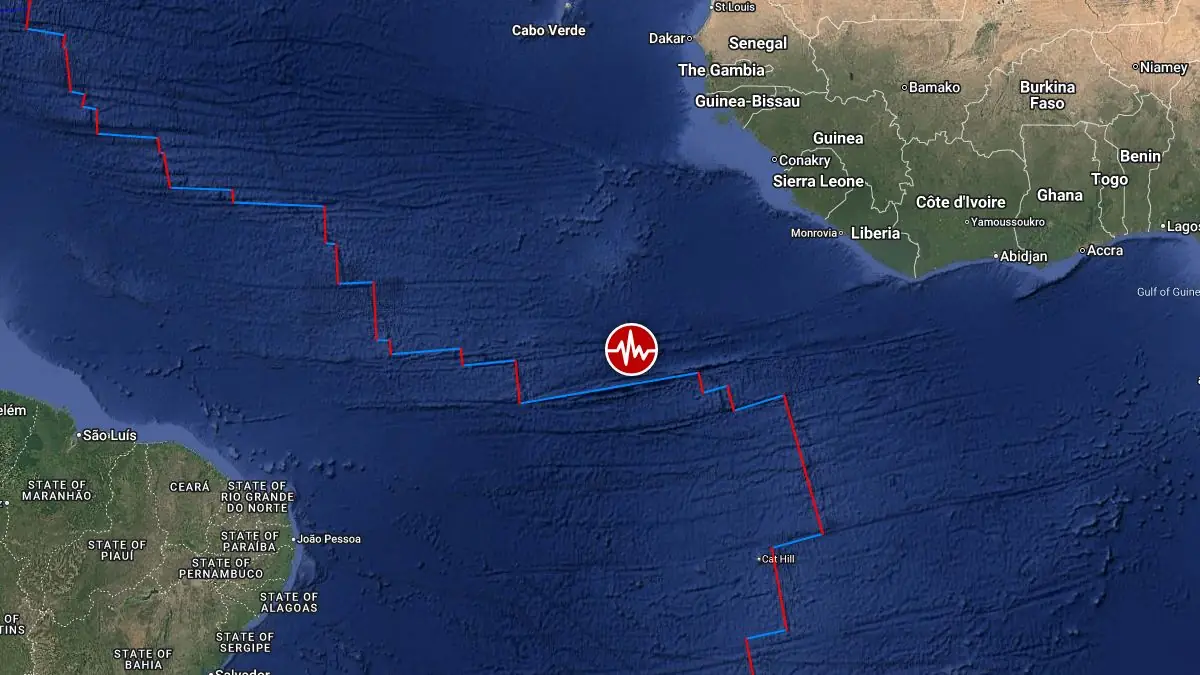
A strong magnitude 6.6 earthquake hit the central Mid-Atlantic Ridge at 18:56 UTC on June 17, 2026, at a depth of 10 km (6.2 miles), according to the USGS.
A magnitude 3.2 earthquake struck near Peterborough, South Australia on June 19, 2026, at 23:26 local time with a depth of 10 km.
The Philippines continues to experience elevated seismic activity, with a magnitude 4.5 recorded in Mindanao as the strongest recorded this week in the region.
Volcanic Watch
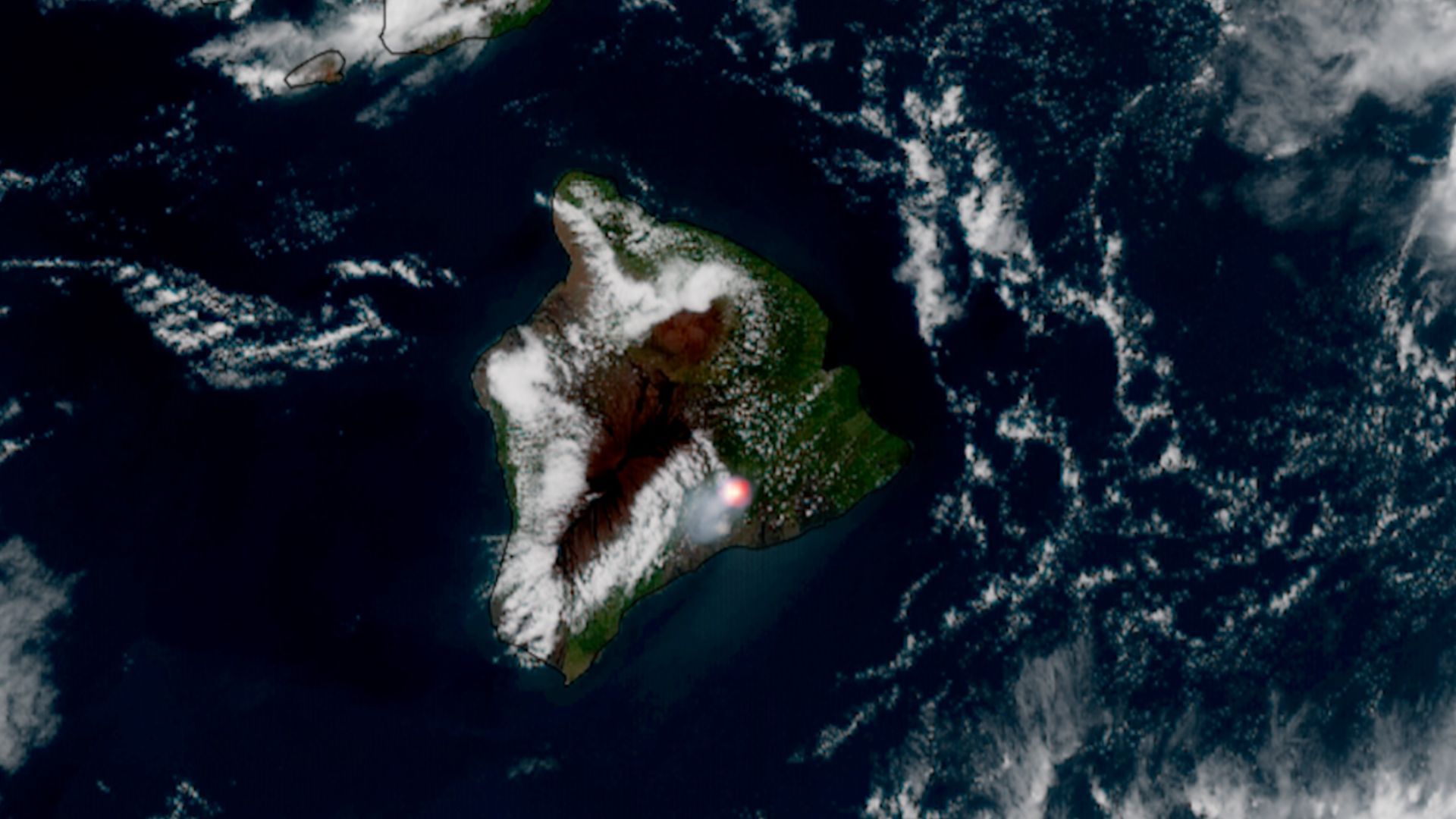
Kīlauea, Hawaii — The volcano's historic episodic eruption at the summit continues. On June 17, 2026, lava fountaining episode 49 occurred, adding to the remarkable pattern of 49 distinct episodes documented over the past year and a half. Episode 50 is forecast for next week. The USGS Volcano Watch column addresses the distinction between these individual fountaining events (episodes) and separate eruptions, noting that the consistent behavior and location qualify them as episodes within a single sustained eruption rather than separate eruptions.
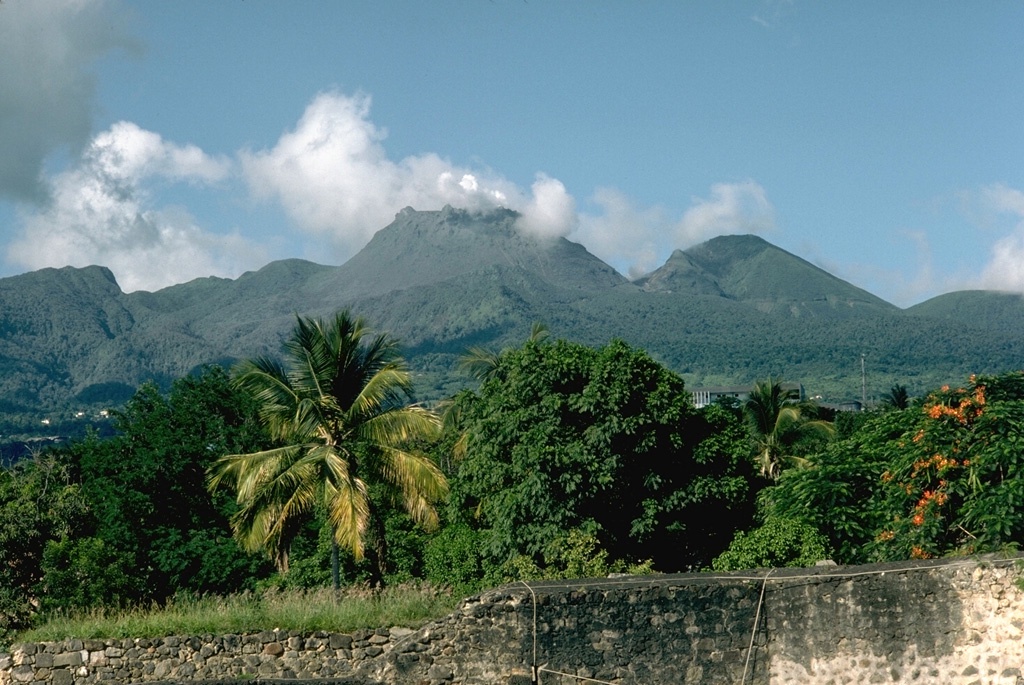
Soufrière Guadeloupe, Guadeloupe — Continues to show volcanic activity with a monthly report on current conditions. Slow eruption of lava within the summit crater continues.
Dukono, Indonesia — A volcanic ash advisory was issued on June 17, 2026, with the last eruption reported at 13:51 UTC and the advisory issued at 16:40 UTC the same day.

Earth Science
The USGS Hawaiian Volcano Observatory continues comprehensive monitoring of Kīlauea's unusual eruption pattern. The distinction between episodic fountaining and separate eruptions depends on the consistency and location of activity—when lava fountains repeatedly from the same location within a short timeframe, scientists classify these as episodes of a single eruption rather than as independent eruptions. This classification helps volcanologists better understand magma supply and conduit dynamics.
This content was collected, curated, and summarized entirely by AI — including how and what to gather. It may contain inaccuracies. Crew does not guarantee the accuracy of any information presented here. Always verify facts on your own before acting on them. Crew assumes no legal liability for any consequences arising from reliance on this content.
Powered by
