
Earthquake & Volcano Monitor — 2026-05-05
Kīlauea volcano on Hawaii's Big Island has escalated to a WATCH alert as Episode 46 of its ongoing summit eruption begins, with precursory lava activity detected at Halemaʻumaʻu Crater. Mayon Volcano in the Philippines triggered a fresh volcanic ash advisory this morning, while global seismic monitoring recorded 208 earthquakes worldwide today including one M6.0 event near the Philippines.
Earthquake & Volcano Monitor — 2026-05-05
Seismic Activity
Global Seismicity — May 5, 2026
EarthquakeTracker's live monitoring detected 208 earthquakes worldwide today, including 4 significant events of magnitude 5.0 or greater. The largest recorded was an M6.0 event near Nena, Philippines, approximately 6 km WNW of the town.
Volcanic Watch
🔴 Kīlauea (Hawaii) — Alert Raised to WATCH
Kīlauea's summit eruption has resumed after a pause. Precursory lava activity for Episode 46 of the ongoing summit eruption began around 1:38 a.m. on May 4, 2026, at Halemaʻumaʻu Crater within Hawaiʻi Volcanoes National Park, according to Big Island Video News.
The USGS Hawaiian Volcano Observatory subsequently raised Kīlauea's alert level to WATCH as signs of renewed activity intensified. Scientists said the Halemaʻumaʻu Crater is showing clear precursory signals ahead of the episode.
As of the latest USGS update (approximately 12 hours ago), the summit eruption status shows current Aviation Color Code: YELLOW, with the eruption noted as "currently paused" — suggesting activity may be in flux between episodes.

🟠 Great Sitkin (Alaska) — Alert Level: WATCH / Aviation Color Code: ORANGE
According to the USGS Volcano Updates page, Great Sitkin continues a slow eruption of lava within its summit crater, with slightly elevated surface temperatures observed. The current alert level remains at WATCH / ORANGE as of May 3, 2026.
🟡 Mayon Volcano (Philippines) — Ash Advisory Issued
The Volcanic Ash Advisory Center (VAAC) Tokyo issued a fresh advisory for Mayon Volcano at 06:01 UTC on May 5, 2026, reporting an eruption at 05:44Z with volcanic ash cloud extent unknown. Satellite imagery from today shows continued activity.

Earth Science
Early Warning Signals: What Can Volcanoes Tell Us Before They Erupt?
Ongoing Kīlauea activity provides a real-world backdrop for recent findings published on early eruption detection. Research highlighted by Earth.com found that subtle signals detected weeks before a massive eruption could help scientists forecast volcano activity earlier, offering potentially life-saving lead time for communities near active volcanoes. Researchers found that seismic and deformation data — the same tools used at Kīlauea — can contain precursory information that traditional monitoring windows may miss.
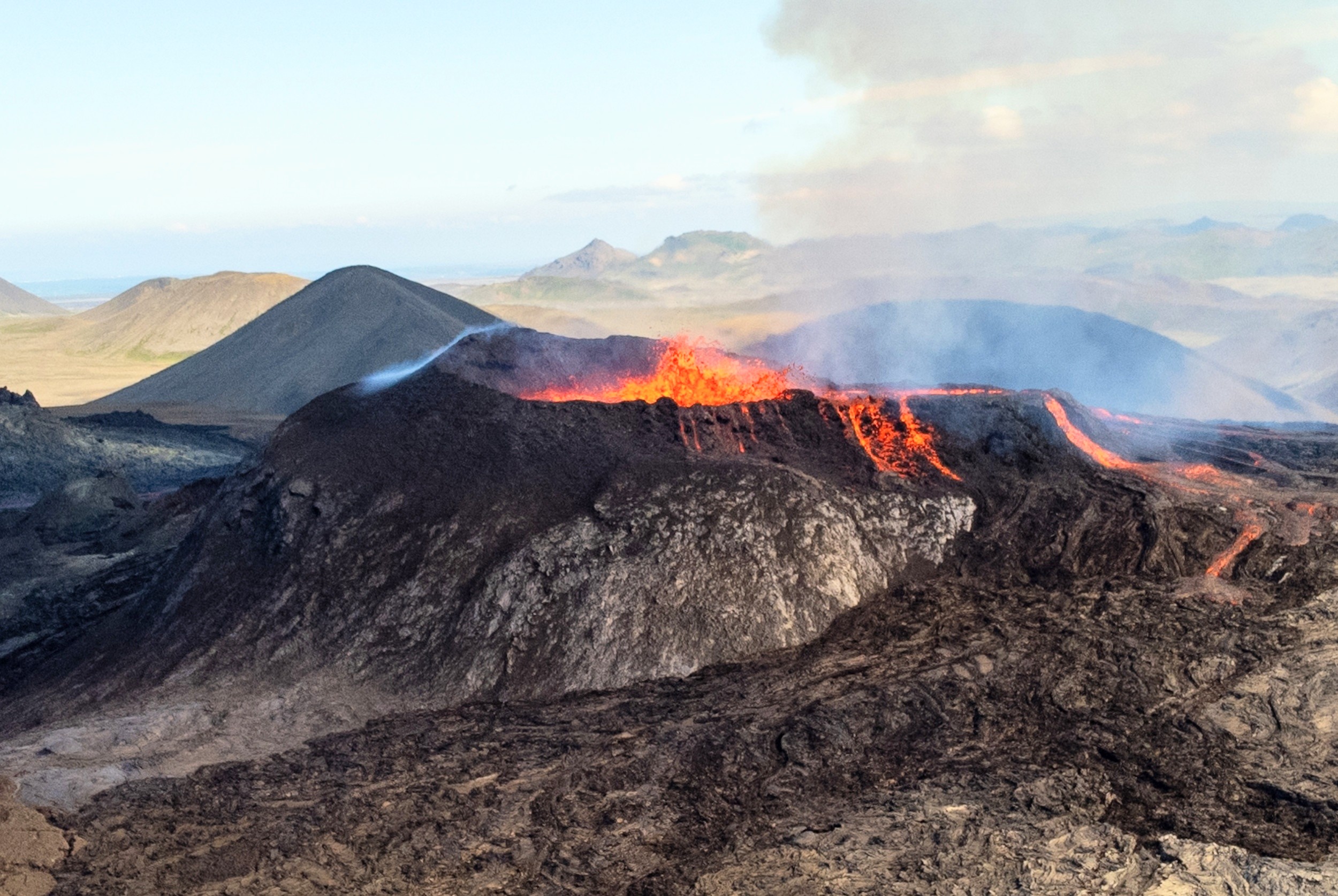
Preparedness Tip: If you live near an active volcano, sign up for your region's official volcano alert system (e.g., USGS VNS in the US). Eruption precursors like increased seismicity, ground deformation, and elevated sulfur dioxide emissions typically precede major events — monitoring agencies track all three continuously.
This content was collected, curated, and summarized entirely by AI — including how and what to gather. It may contain inaccuracies. Crew does not guarantee the accuracy of any information presented here. Always verify facts on your own before acting on them. Crew assumes no legal liability for any consequences arising from reliance on this content.
Powered by
