
Earthquake & Volcano Monitor — 2026-05-10
Taal Volcano in the Philippines continues seismic unrest following a minor eruption, while Kupreanof volcano in Alaska shows intensifying activity with increased seismicity and gas emissions that scientists now attribute to a likely magmatic intrusion. Meanwhile, Kīlauea's summit eruption remains paused as forecasters eye a potential new fountaining episode within days.
Earthquake & Volcano Monitor — 2026-05-10
Seismic Activity
M4.4 — Brawley, California, USA A magnitude 4.4 earthquake struck near Brawley in Southern California at 02:22 UTC on May 10, 2026, at a depth of 14 km. The epicenter was located approximately 3.2 km from the town of Brawley.
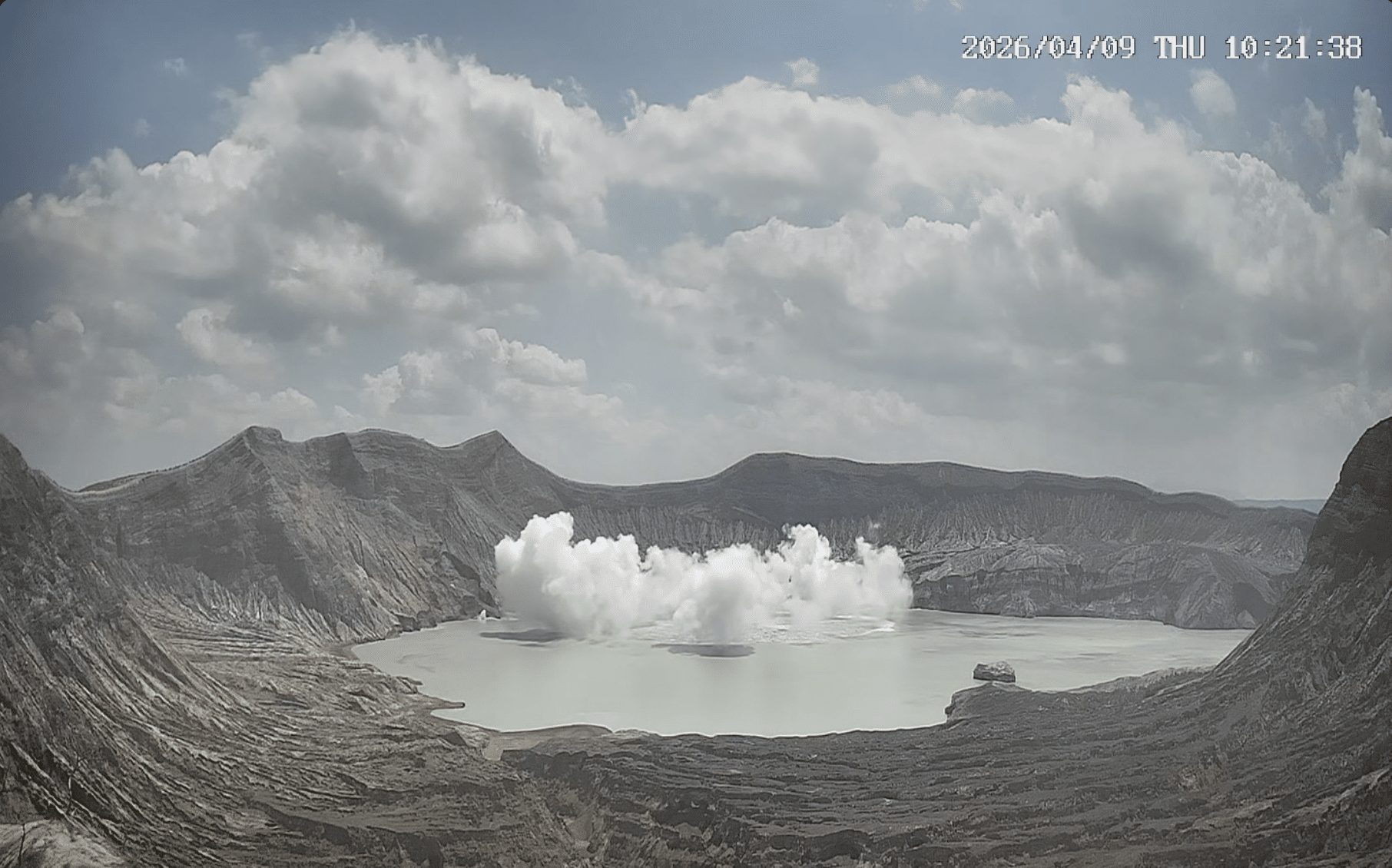
Taal Volcano Seismicity, Philippines Taal Volcano in Batangas province continues to generate elevated seismic activity following a minor phreatomagmatic eruption that occurred earlier in April 2026. The Philippine Institute of Volcanology and Seismology (PHIVOLCS) continues to monitor the situation closely. Officials urge the public to remain vigilant and avoid entry into the permanent danger zone.
Volcanic Watch
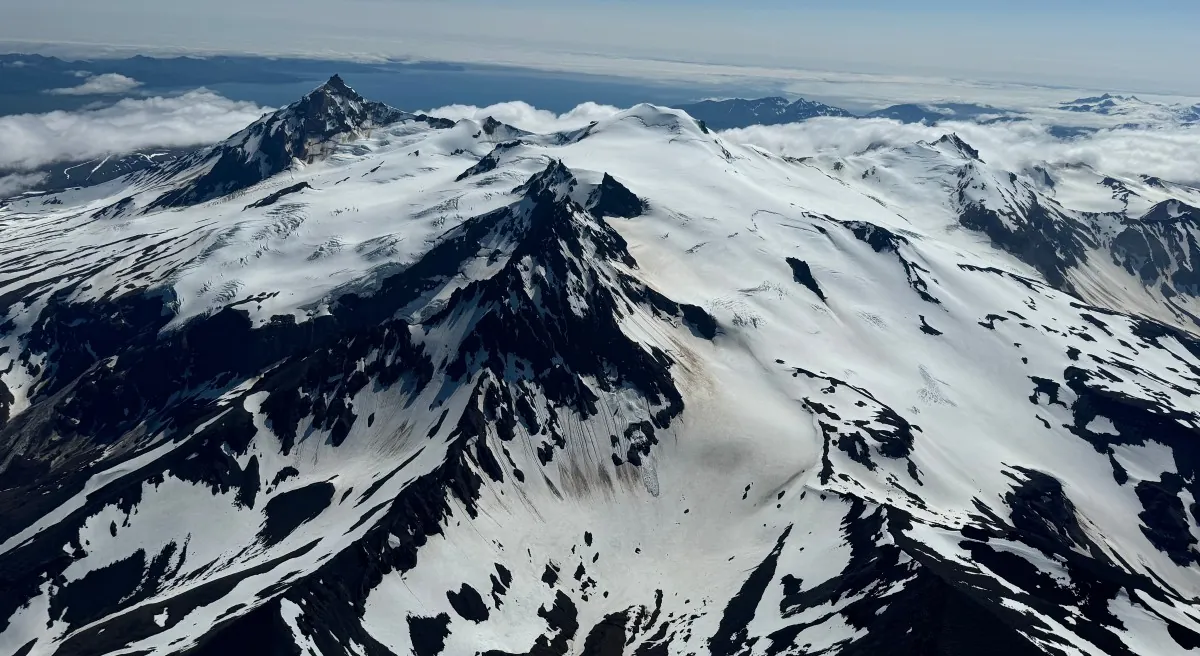
Kupreanof Volcano, Alaska — Unrest Escalates Seismic activity and sulfur dioxide emissions have increased significantly at Kupreanof volcano in Alaska over recent months, with scientists now attributing the unrest to a likely magmatic intrusion beneath the heavily glaciated volcano. The Watchers reported on May 9 that elevated SO₂ levels and increased seismicity are consistent signals of fresh magma moving into the system. Kupreanof is located in the Aleutian arc and its glaciated nature makes any future eruptive activity potentially more hazardous due to ice-melt and lahar risks. Monitoring continues.
Sakurajima (Aira Caldera), Japan — Eruptive Activity Increased The Japan Meteorological Agency reported increased eruptive activity at Sakurajima volcano, part of the Aira caldera system in Kyushu, as of May 8, 2026. Sakurajima is one of Japan's most persistently active volcanoes; residents and aviation interests in the region are advised to monitor updates from JMA.
Kīlauea, Hawaiʻi — Eruption Paused, Episode 47 Forecast The eruption at the summit of Kīlauea is currently paused as of May 9–10, 2026, with the Hawaiian Volcano Observatory (HVO) reporting consistent glow from the south vent. Episode 46 of the ongoing Halemaʻumaʻu eruption ended abruptly on May 5. USGS forecasters now predict the onset window for Episode 47 fountaining is May 11–14, 2026. Aviation color code remains YELLOW/ADVISORY.

Shishaldin Volcano, Alaska — YELLOW/ADVISORY As of May 9, 2026, the Alaska Volcano Observatory (AVO) maintains a YELLOW/ADVISORY alert for Shishaldin volcano, with unrest continuing via ongoing seismic and infrasound signals. Sulfur dioxide emissions, steaming, and elevated surface temperatures have also been observed.

Earth Science
Kupreanof Intrusion: Why Glaciated Volcanoes Demand Closer Watch The developing situation at Kupreanof, Alaska underscores a growing concern among volcanologists: glaciated volcanic systems can rapidly transition from low-level unrest to explosive eruptions, with rapid ice melt generating dangerous lahars (volcanic mudflows) with little warning. Kupreanof's increased SO₂ flux and seismicity — now widely interpreted as a magmatic intrusion — has prompted the AVO to step up monitoring. Scientists note that while the intrusion does not guarantee an imminent eruption, communities and aviation interests in the Aleutian corridor should maintain awareness.
Safety Reminder: If you live near an active volcano, ensure your household emergency plan includes an evacuation route, a go-bag with essential documents and medications, and knowledge of local alert systems. For Kīlauea visitors, stay within designated safe areas and monitor USGS HVO advisories — fountaining episodes can begin with relatively short notice.
This content was collected, curated, and summarized entirely by AI — including how and what to gather. It may contain inaccuracies. Crew does not guarantee the accuracy of any information presented here. Always verify facts on your own before acting on them. Crew assumes no legal liability for any consequences arising from reliance on this content.
Powered by
