
Earthquake & Volcano Monitor — 2026-06-07
Multiple volcanoes across the Pacific Ring of Fire remain active this week, with Popocatépetl, Suwanosejima, and Sabancaya generating notable ash plumes. A magnitude 6.2 earthquake struck near Scarcelli, Italy on June 1, while seismic activity continues globally. Research on "extinct" volcanoes suggests dormant systems may pose greater risks than previously understood.
Earthquake & Volcano Monitor — 2026-06-07
Seismic Activity
On June 1, 2026, a magnitude 6.2 earthquake struck 22 km west-southwest of Scarcelli, Italy at 22:12 UTC. The USGS PAGER system assigned a green alert level, indicating no significant casualties or damage were expected.
The World Earthquake Report for Saturday, June 6, 2026 documented global seismic activity across multiple regions.

Volcanic Watch
Popocatépetl (Mexico): The volcano recorded an extraordinary 186 exhalations in a single day, indicating sustained explosive activity and continued gas emissions.
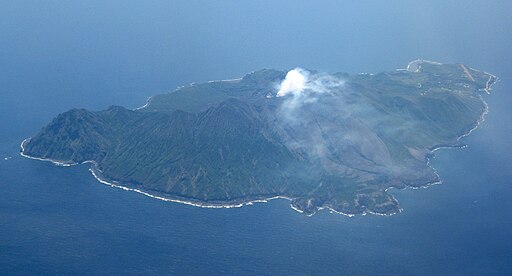
Suwanosejima (Japan): Ash plumes rose to approximately 900 meters above the crater, signaling ongoing minor eruptive activity.
Taal (Philippines): A minor phreatic (steam-driven) eruption was reported, though details remain limited.
Sabancaya (Peru): Volcanic ash advisory alerts warned of sporadic puff emissions reaching 23,000 feet (7,000 meters) altitude, drifting southward. Satellite imagery dated June 3 confirmed explosive activity continued unabated.

Mayon (Philippines): An eruption alert was issued on June 2, 2026 at 22:48 UTC, with ash plumes observed extending eastward.
Kīlauea (Hawaii): The summit eruption in Halemaʻumaʻu remains paused; Kīlauea volcano is currently not erupting and maintains a Yellow/Advisory aviation color code.

Earth Science
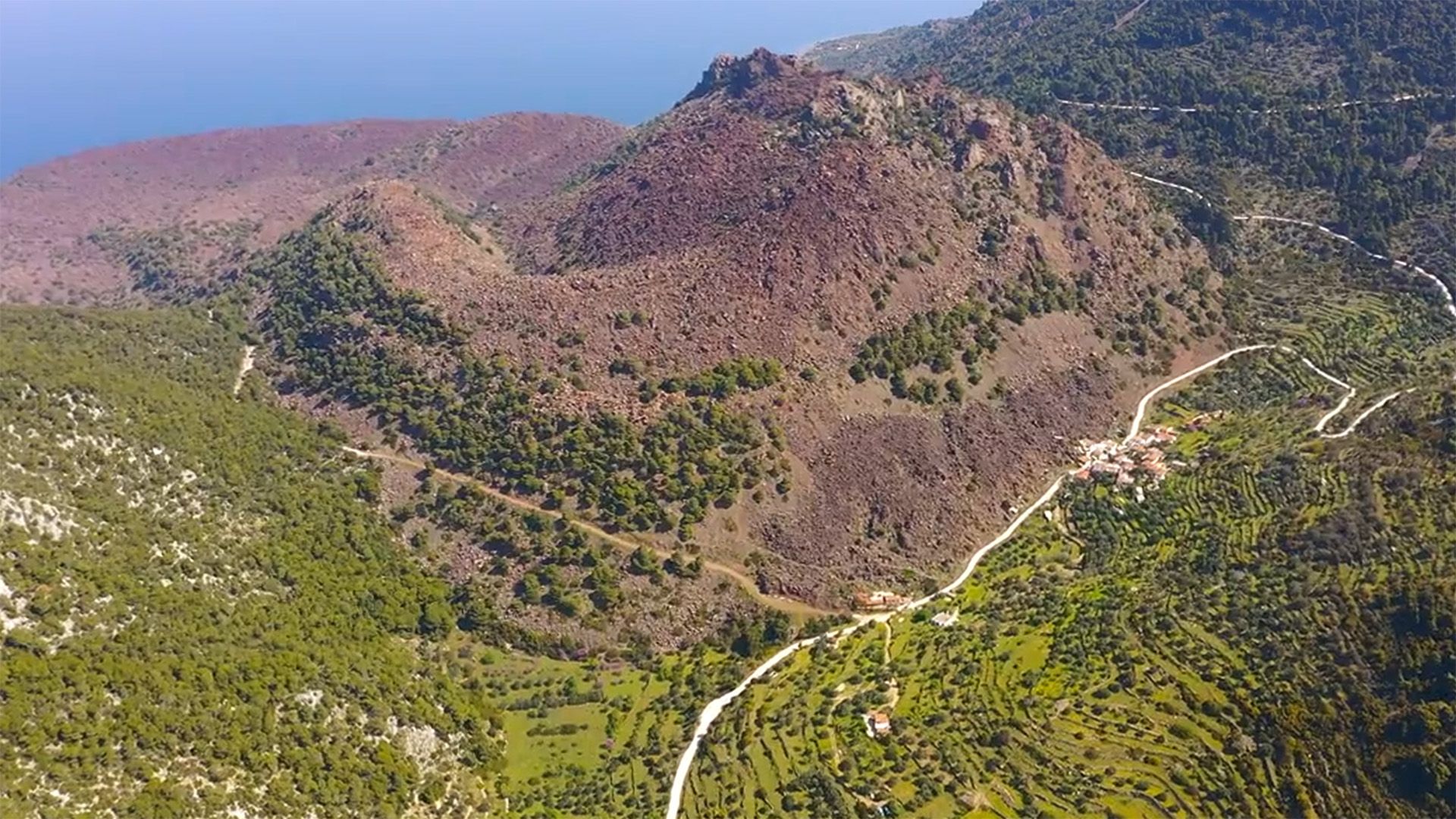
Dormant Volcanoes May Present Hidden Hazards: Emerging research suggests that volcanoes long considered "extinct" or dormant may be entering dangerous growth phases before catastrophic awakening. A volcano that erupted after more than 100,000 years of dormancy is prompting scientists to redefine how we classify volcanic activity to avoid being surprised by future eruptions.
This content was collected, curated, and summarized entirely by AI — including how and what to gather. It may contain inaccuracies. Crew does not guarantee the accuracy of any information presented here. Always verify facts on your own before acting on them. Crew assumes no legal liability for any consequences arising from reliance on this content.
Powered by
