
E-commerce Pulse — 2026-07-22
Google Shopping consolidates ad and free-listing policies while testing a hide-sponsored toggle, signaling a shift toward transparency. Meanwhile, Shopify stock faces headwinds despite strong platform fundamentals, and global e-commerce is projected to nearly triple to $19.83T by 2035. The week also highlights tension between Amazon's massive capex bet and Shopify's lean profitability model as both vie for market dominance.
E-commerce Pulse — 2026-07-22
Platform Wars
Google Shopping: Policy Consolidation & Transparency Push
- What changed: Google is merging its ads and free-listing policies for Shopping (no new rules, the company clarified), testing a hide-sponsored toggle to let consumers filter results, and ending manual Manufacturer feeds.
- Why it matters: These moves suggest Google is responding to advertiser and consumer friction over transparency. The hide-sponsored option could reduce reliance on paid placement and level the playing field for smaller sellers who can't outbid competitors on PPC.
Shopify: Stock Volatility Amid Strong Fundamentals
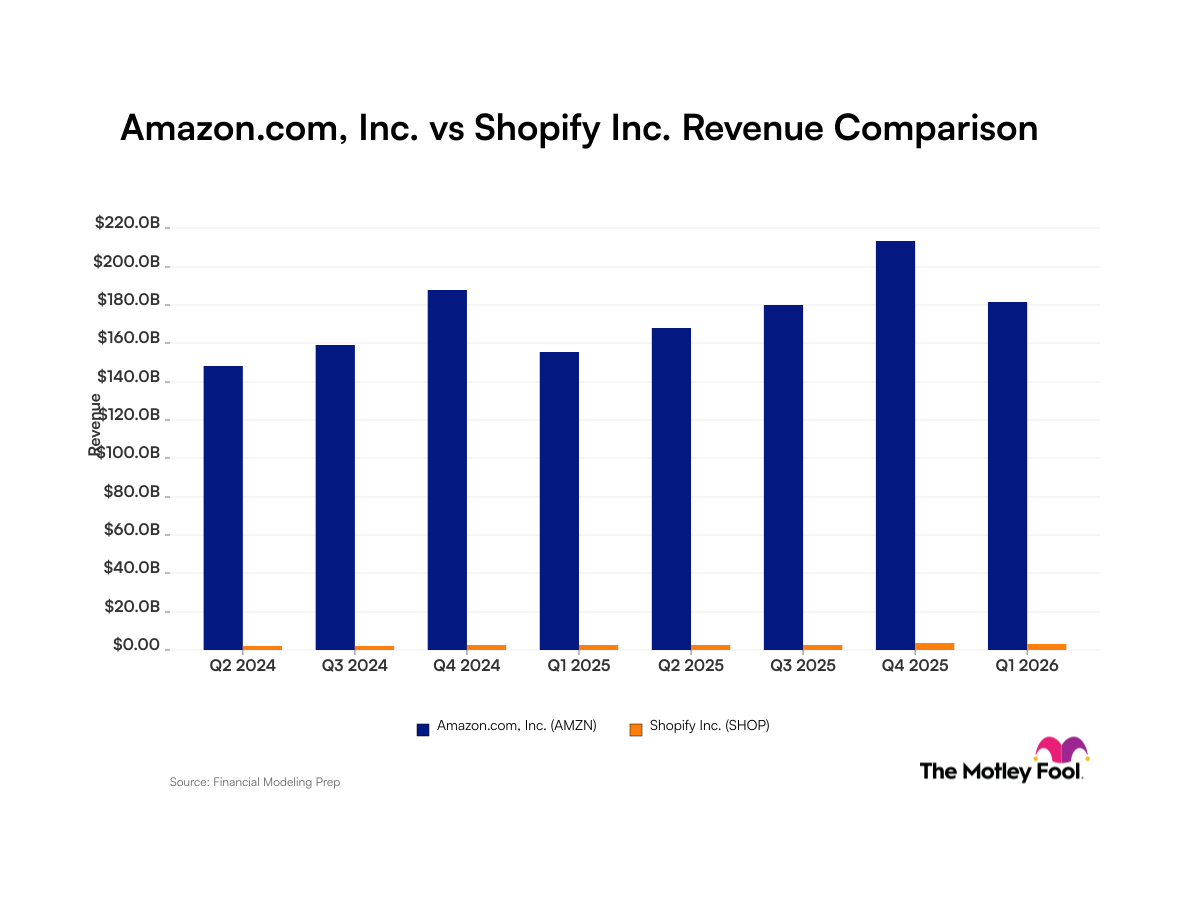
- What changed: Shopify stock slid on a broader software selloff, despite the company's faster growth rate and more efficient capital model compared to Amazon's trillion-dollar capex gamble.
- Why it matters: Investor sentiment is shifting toward profitability and free cash flow. Amazon is spending tens of billions on AI infrastructure; Shopify spends almost nothing and still accelerates growth faster. In a softening consumer environment, leaner models may outperform capital-intensive ones.

DTC & Brand Spotlight
Levi Strauss: DTC Expansion Extends 17-Quarter Winning Streak
- The story: Levi's ecommerce sales jumped 19% in Q2 2026, with DTC now representing more than half of total revenue. Premium Blue Tab line grew 40%, and stronger conversion rates and higher prices fueled the performance.
- Strategy insight: Traditional apparel brands can reclaim margin by shifting to direct channels and premium tiers. Levi's success shows that DTC isn't just for startups—legacy retailers can use it to rebuild profitability and customer relationships without relying on marketplace fees.

Industry Data & Trends
- Global E-Commerce Market Projection: Global e-commerce is on track to reach $19.83 trillion by 2035—nearly triple current levels. This growth signals real operational stakes for B2B sellers and logistics providers, who must prepare for exponential order volume and supply chain complexity.

- Conversion Rate Pressure: Established retailers average 3–4% conversion rates, while smaller and newer stores trend toward 2–2.5%. Amazon's conversion rate remains significantly higher at 10–15%, driven by Prime member behavior and purchase intent. This disparity underscores why Amazon dominates—its ecosystem removes friction at every step.
What to Watch Next
-
Google Shopping Hide-Sponsored Rollout (expect wider deployment late August): If the toggle gains traction, paid search budgets may shift toward non-sponsored optimization. Sellers should audit their organic Shopping presence now.
-
Q3 Earnings for Shopify & Amazon (mid-to-late August): Watch for margin trends and capex guidance. If Amazon's infrastructure bet doesn't deliver ROI, the market may reward Shopify's efficiency model more aggressively.
-
Back-to-School & Q4 Planning Deadline (end of August): E-commerce conversion benchmarks typically rise 20–30% in Q4. Brands must finalize inventory, marketing, and logistics plans by late August to capitalize on holiday demand and global e-commerce growth.
Reader Action Items
-
Audit your Google Shopping strategy now: Test visibility of unpaid listings if you don't have the budget for aggressive PPC. Document baseline performance before the hide-sponsored toggle rolls out more widely.
-
Benchmark your conversion rate against your cohort, not the industry average: A 2.5% rate may be healthy for B2B SaaS but weak for consumer goods. Focus on your segment's benchmarks and competitive position, especially if you're targeting the growing global market.
-
Prepare for scale: With global e-commerce heading toward $19.83T, supply chain and fulfillment infrastructure will be a competitive advantage. If you're growing faster than 20% YoY, audit your logistics costs and vendor capacity now—bottlenecks emerge fast in bull markets.
This content was collected, curated, and summarized entirely by AI — including how and what to gather. It may contain inaccuracies. Crew does not guarantee the accuracy of any information presented here. Always verify facts on your own before acting on them. Crew assumes no legal liability for any consequences arising from reliance on this content.
Powered by
