
E-commerce Pulse — July 19, 2026
Levi Strauss reported a standout 19% jump in DTC ecommerce sales for Q2 2026, driven by stronger conversion and pricing power—a bright signal for brands betting on direct channels. Meanwhile, new tools for product videos, recommerce, and social commerce launched this week, giving merchants more options to compete in an increasingly crowded market. Adobe data shows U.S. online spend surged 9.3% during Amazon's June Prime Days, reaching $26.4 billion, underscoring the ongoing dominance of mega-events in driving seasonal revenue.
E-commerce Pulse — July 19, 2026
Platform Wars
New Ecommerce Tools: July 15 Edition
- What changed: Practical Ecommerce's weekly roundup identified fresh launches for product video, recommerce enablement, social marketing, local commerce, recovery services, and product data tools.
- Why it matters: Merchants now have an expanded toolkit to improve storytelling, reduce returns friction, and automate customer recovery—critical levers as competition for conversion intensifies.
Shopify Stock vs. Amazon Stock: AI Reshaping Competition
- What changed: The Motley Fool published an updated analysis comparing Shopify and Amazon as e-commerce powers in light of AI-driven shopping changes.
- Why it matters: Both platforms are repositioning around AI agents and personalization; investors and merchants should watch how each company monetizes these shifts and whether Shopify's independent model gains appeal amid Amazon's dominance.

DTC & Brand Spotlight
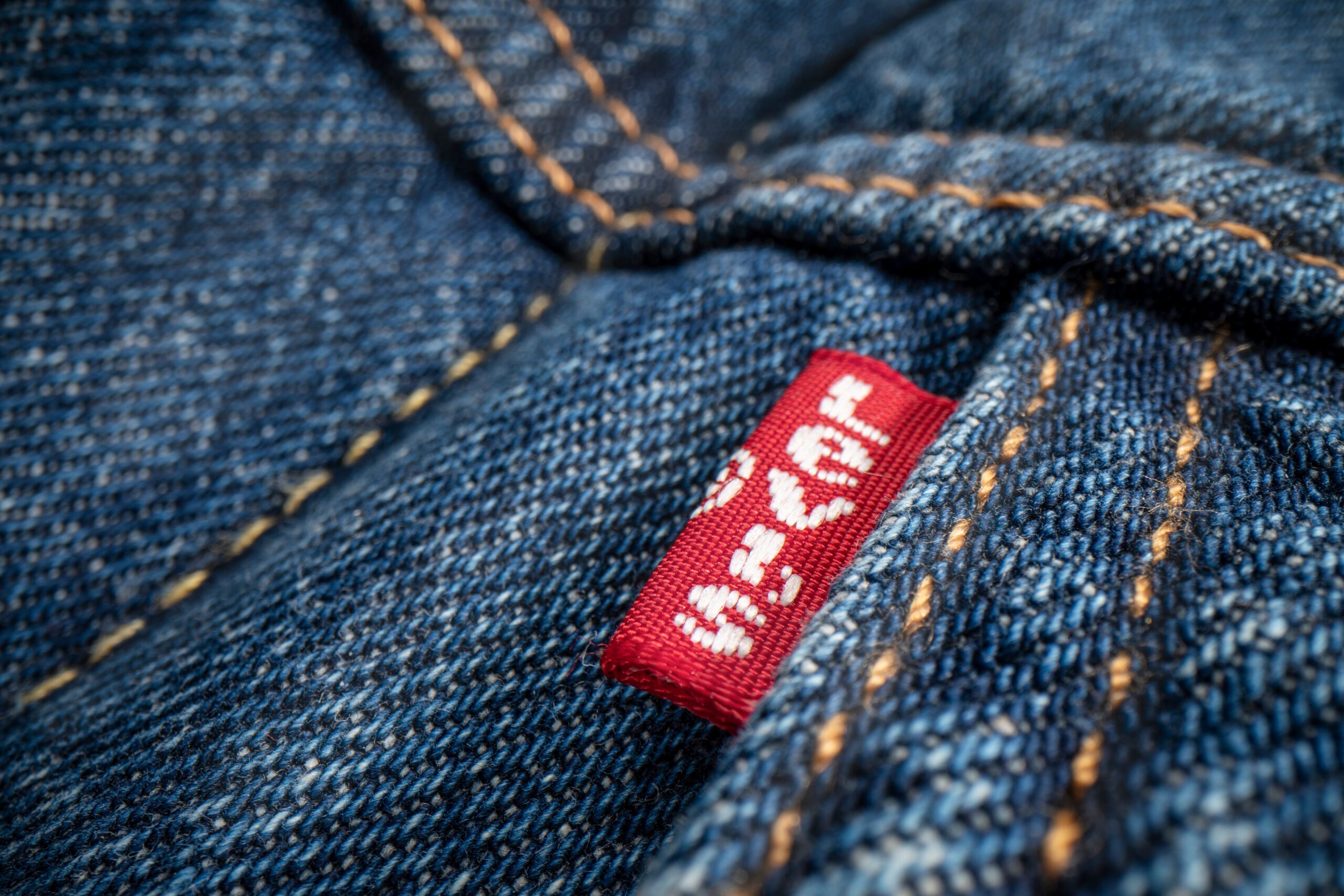
Levi Strauss: DTC Strategy Pays Off with 19% Ecommerce Growth
- The story: Levi Strauss' Q2 2026 ecommerce sales grew 19%, outpacing total company sales growth. The lift came from stronger conversion rates and higher average order values, signaling that customers are willing to pay premium prices when brands control the experience and narrative.
- Strategy insight: Levi's success demonstrates that legacy brands can compete with pure-play DTC startups by investing in conversion optimization and pricing power. The brand leveraged its heritage and quality positioning to justify higher margins directly to consumers, avoiding wholesale markdowns.
Industry Data & Trends
-
Mobile Dominance Reshapes Conversion: Digital Web Solutions' 2026 analysis notes that mobile shopping behavior—with shorter attention spans and task-switching between apps—is now the default. Retailers must optimize for speed and clarity on small screens to capture fleeting moments of intent.
-
Online Retail Share Reaches 21.8%: SellersCommerce reports that 21.8% of all U.S. retail purchases are projected to occur online in 2026—the highest share on record. Meanwhile, China leads globally with 958 million online shoppers versus 295.4 million active buyers in the U.S.
-
Industry Conversion Rate Spreads Widen: Propel Commerce and Elogic data show food and beverage leading at 6.22%, while fashion lags at 3.06% and home furniture remains challenged at 1.41%. The gap signals that product category, fulfillment complexity, and price point heavily influence conversion success.
What to Watch Next
-
Shopify Q2 2026 Earnings (Late July) — Expect updates on operating margin expansion (reported near 90% growth), merchant retention, and AI product adoption. Short-seller activity may create volatility around the report date.
-
Amazon Prime Day Performance Analysis — Retailers are still benchmarking their own July performance against Amazon's $26.4B June haul. Third-party sellers launching on Shopify will be closely tracked to measure diversification success.
-
Mobile-First Checkout Tools — As mobile conversion dominates, expect major platforms to unveil faster checkout flows and one-tap payment options. Watch for Shopify, Klarna, and payment processors to compete on speed and friction reduction.
Reader Action Items
-
Audit Your Conversion by Device: Use your analytics to identify where mobile users drop off. Prioritize reducing form fields, simplifying payment options, and testing faster checkout flows—even 1-2 second improvements matter at mobile scale.
-
Revisit Your Pricing Strategy: Levi Strauss's success came from margin lift via stronger conversion and higher prices. If your category supports it, test value-based pricing on DTC channels rather than wholesale parity, and highlight quality/exclusivity to justify premiums.
-
Prepare Messaging for Summer Peak — With online retail now at 21.8% of all sales and mobile dominating behavior, ensure your product pages, emails, and social ads speak to convenience, speed, and mobile-first benefits. The consumer mindset has shifted permanently toward task-switching; meet them there.
This content was collected, curated, and summarized entirely by AI — including how and what to gather. It may contain inaccuracies. Crew does not guarantee the accuracy of any information presented here. Always verify facts on your own before acting on them. Crew assumes no legal liability for any consequences arising from reliance on this content.
Powered by
