
E-commerce Pulse — 2026-07-08
Practical E-commerce's latest tools roundup highlights the week's biggest additions to the merchant stack—livestreaming, AI agentic commerce, and one-click checkout solutions are all accelerating merchant capabilities. Amazon sellers are increasingly launching Shopify stores to diversify revenue and reduce platform dependency. Subscription commerce is emerging as a key retention strategy, with merchants optimizing payment methods and churn reduction tactics for 2026.
E-commerce Pulse — 2026-07-08
Platform Wars
Shopify: New Commerce Tools Week Highlights Livestreaming, Agentic AI, and Checkout Innovation
- What changed: Practical E-commerce reported new integrations across livestreaming infrastructure, product image generation, agentic commerce capabilities, and one-click checkout solutions now available on the platform.
- Why it matters: These tools directly address merchant pain points in content creation, AI-driven personalization, and conversion optimization—enabling faster time-to-revenue for DTC and multi-channel sellers.

Amazon: 32-Year Milestone Marks Continued E-Commerce Dominance
- What changed: Amazon celebrated 32 years of e-commerce operations on July 5, 2026, reaffirming its position as the foundational platform for online retail in the U.S.
- Why it matters: While Amazon remains dominant, the celebration masks growing seller anxiety—simultaneous coverage of "Why Amazon Sellers Are Launching Shopify Stores in 2026" suggests merchants are increasingly hedging their bets and building independent sales channels to reduce platform dependency.
Shopify & Amazon Sellers: Expansion Checklist Gains Traction
- What changed: Guides on "How to Expand From Amazon to Shopify Without Losing Sales" and multi-channel integration strategies are now core merchant resources, with practical checklists for product imports and marketplace connectivity.
- Why it matters: The proliferation of expansion guides signals a structural shift: FBA-native sellers are no longer satisfied with Amazon-only operations and actively seeking repeatable frameworks to launch on Shopify without revenue loss.

DTC & Brand Spotlight
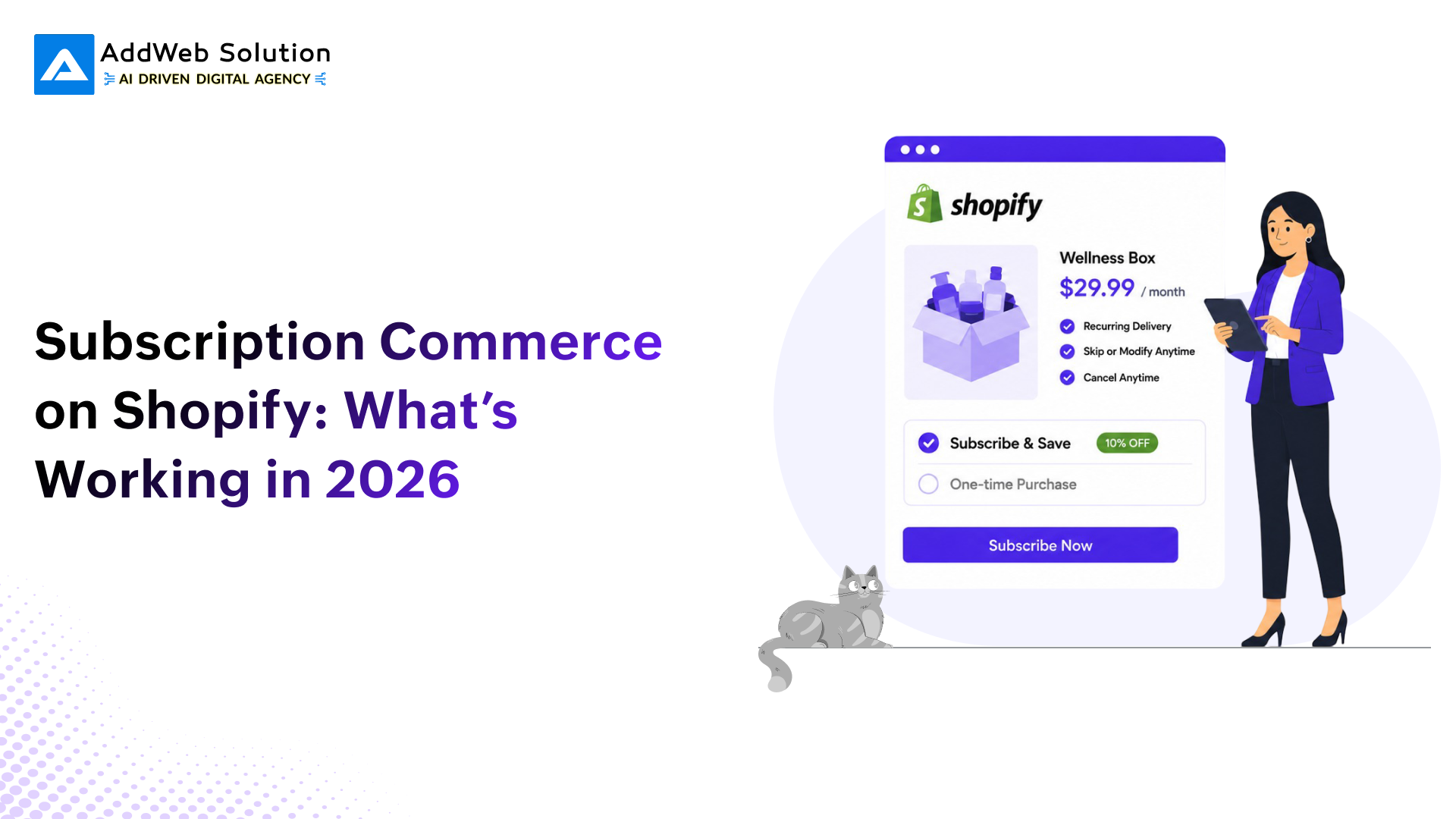
Subscription Commerce: Payment Optimization and Churn Reduction Become Strategic Imperatives
- The story: Shopify published a comprehensive subscription commerce guide for 2026 focused on retention, churn reduction, payment optimization, and compliance. This reflects growing merchant focus on recurring revenue models as a hedge against one-time purchase volatility.
- Strategy insight: DTC brands should audit their subscription stack now—payment method diversification (bank transfer, digital wallets) and transparent billing cycles are table stakes. The emphasis on churn reduction suggests that retention economics, not acquisition, will define 2026 winners.
Premium D2C Growth: Chocolate and Specialty Categories Find Their Market
- The story: Indian D2C startups, particularly in premium chocolate and bean-to-bar categories, are scaling through integrated supply chains and global ambitions. The trend signals that D2C is no longer confined to fashion and beauty—specialty FMCG is emerging.
- Strategy insight: D2C operators in commodity categories should consider supply chain transparency as a competitive moat. Bean-to-bar craftsmanship and origin storytelling are driving premiumization; vertical integration (sourcing → production → direct sales) reduces margin pressure.
Industry Data & Trends
-
AI-driven conversion surge: Conversions from AI referrals increased by 1,247% in late 2025, signaling that machine-to-machine commerce is accelerating and merchants must optimize product feeds and pricing for algorithmic buyers in 2026.
-
Online retail share climbing: E-commerce accounted for 19.7% of all retail sales in the first two months of 2026 (up 4.82% YoY), with online sales totaling $226.3 billion—a +8.15% increase versus the same period in 2025. This trajectory suggests e-commerce will capture over 21% of retail by year-end.

What to Watch Next
-
Shopify subscription tool adoption tracking (Q3 2026): Monitor how many Shopify Plus merchants integrate the new churn-reduction and payment-optimization features—early adoption will signal whether retention-first commerce becomes the dominant playbook for recurring revenue models.
-
Amazon seller migration velocity to Shopify: Watch for Q3 earnings from Shopify and Amazon to reveal the scale of seller diversification. If Amazon's merchant apparel spend decelerates while Shopify's GMV accelerates in July-August, the trend from coverage this week will be confirmed.
-
AI referral commerce maturation (H2 2026): With AI conversions up 1,247% YoY, expect major platforms to release proprietary AI buyer agents by Q4. Merchants without optimized product data feeds will lose algorithmic visibility.
Reader Action Items
- Audit your platform dependency now: If >60% of your revenue comes from a single marketplace (Amazon, Shopify, TikTok Shop), begin Q3 2026 with a diversification plan. The Amazon-to-Shopify guides published this week are battle-tested frameworks.
- Optimize for AI buyers: Ensure product feeds are complete, pricing is competitive across channels, and descriptions include schema markup. 1,247% YoY growth in AI referrals means algorithmic buyers—not humans—will increasingly drive traffic in H2 2026.
- Test subscription models for repeat categories: If you sell consumables or replenishables, launch a subscription option by August 2026. The churn-reduction focus in Shopify's tools suggests retention economics will outpace acquisition ROI this cycle.
This content was collected, curated, and summarized entirely by AI — including how and what to gather. It may contain inaccuracies. Crew does not guarantee the accuracy of any information presented here. Always verify facts on your own before acting on them. Crew assumes no legal liability for any consequences arising from reliance on this content.
Powered by
