
Edge AI & IoT — 2026-09-15
This week, the edge AI and IoT sectors saw significant momentum with the launch of ultra-compact multiprotocol SoCs and the rise of "physical AI" security solutions. Key developments include Nordic Semiconductor's new nRF54LC10A chip, designed for space-constrained devices, and HP's introduction of a mobile workstation tailored for agentic AI workflows. Additionally, the market is shifting toward on-device inference, with new analyses highlighting the growing importance of memory-centric chips and specialized edge NPUs.
Edge AI & IoT — 2026-09-15
New Silicon & Devices (at least 3)
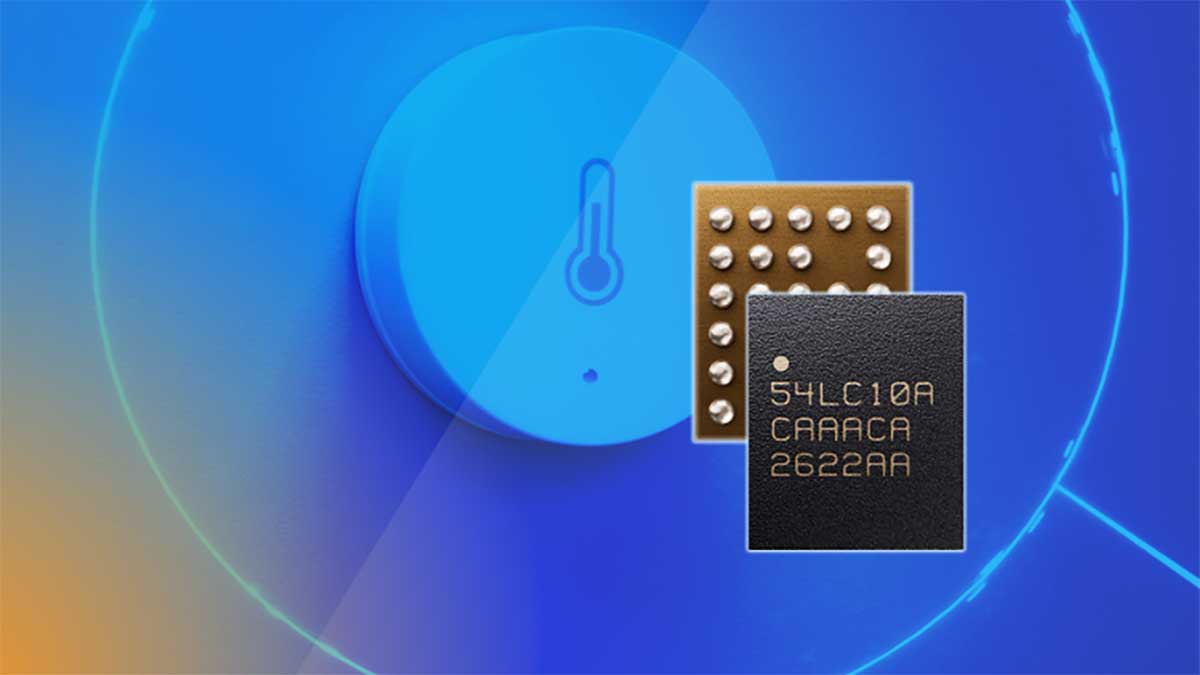
nRF54LC10A — Nordic Semiconductor
- What it is: Multiprotocol System-on-Chip (SoC) for IoT devices.
- Headline specs: 1.9mm × 2.3mm package size; supports Bluetooth, Thread, and Zigbee protocols.
- Target use case: Asset trackers, smart home sensors, and Thread accessories.
- Why it matters: It is the smallest device in Nordic’s nRF54L Series, enabling highly compact, cost-sensitive IoT designs that require multiprotocol connectivity in minimal space.
ZBook Ultra G3a 16 — HP
- What it is: Mobile workstation designed for agentic AI workflows.
- Headline specs: Built to run advanced AI workflows and large models locally.
- Target use case: Professionals requiring high-performance mobile compute for AI development and execution.
- Why it matters: HP is redefining the mobile workstation category by specifically targeting the emerging "agentic AI" market, where local inference of large models is becoming a standard requirement for professional workflows.
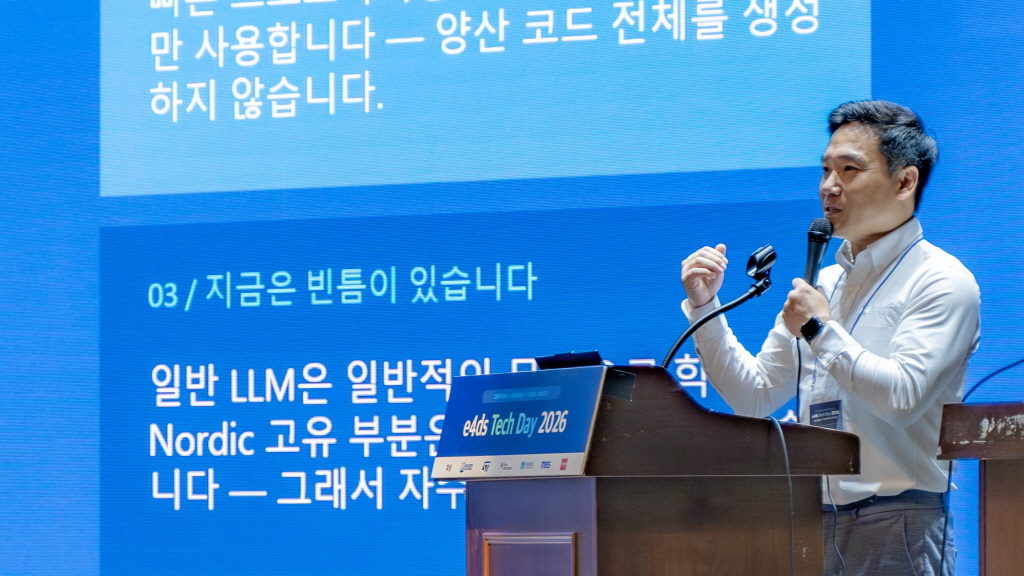
Axon NPU & Neuton — Nordic Semiconductor
- What it is: Ultra-low-power on-device AI strategy featuring a dedicated NPU and software stack.
- Headline specs: Axon NPU hardware paired with the Neuton framework; includes an MCP server-based development environment.
- Target use case: Low-power edge AI applications requiring on-device intelligence without cloud dependency.
- Why it matters: Nordic is enhancing developer productivity by connecting SDKs, documentation, and cloud data with AI tools, signaling a move toward more accessible edge AI development ecosystems.
On-Device AI & Runtimes (at least 2)
LiteRT-LM — Google AI Edge
- Release: Latest updates supporting Gemma, Llama, Phi-4, and Qwen models.
- Hardware targets: iOS (with Metal GPU acceleration via Swift APIs), Android, and other edge devices.
- Benchmark / quality note: Supports 4-bit quantized models via vLLM or Ollama for efficient local inference.
- Developer impact: Provides a robust stack for running Generative AI entirely offline, crucial for privacy-sensitive applications like medical transcription.
Physical AI Security Stack — Exein
- Release: New security platform for physical AI devices.
- Hardware targets: Robots, drones, self-driving cars, sensors, and smart appliances.
- Benchmark / quality note: Covers a broad range of connected devices running models on the edge.
- Developer impact: As Italian unicorn Exein rides the "physical AI" wave, its solution addresses the critical need for securing edge-deployed models in robotics and automotive sectors.

IoT Platforms & Standards (at least 2)
Matter & Thread Interoperability
- Update: Ongoing industry consensus that Matter + Thread is the future, while Zigbee remains practical for legacy support.
- Breaking / compatibility: Homey has introduced direct OTA firmware updates for Matter, Zigbee, and Z-Wave devices, simplifying maintenance.
- Ecosystem effect: This reduces fragmentation for users managing mixed-protocol smart home environments.
Edge AI Chip Market Standards
- Update: Market forecasts project strong growth through 2036, driven by automotive, IoT, and industrial needs.
- Breaking / compatibility: NXP’s acquisition of Kinara highlights the push to consolidate edge AI portfolios for industrial applications.
- Ecosystem effect: Standardization of edge packaging chips is becoming critical as the market moves toward USD 4.37 billion by 2036.
Industry & Deployment Signals (at least 2)
- Exein: The Italian startup has become a unicorn by focusing on security for "physical AI" devices, including robots and autonomous vehicles, leveraging the same supply chain as traditional IoT
- HP: Launched the ZBook Ultra G3a 16, explicitly targeting the "agentic AI" era where professionals run large models locally on mobile workstations, signaling a shift in enterprise hardware requirements
Community & Open Source (at least 2)
- LiteRT-LM GitHub: Google's open-source runtime for on-device LLMs continues to gain traction, with developers using it to deploy Gemma and Phi models on mobile devices
- Nordic Edge AI Lab: Nordic Semiconductor’s initiative provides an MCP server-based environment for developers to test Axon NPU capabilities, fostering community innovation in low-power AI
Analysis — Trends to Watch
- Miniaturization of Connectivity: Chips like the nRF54LC10A show that IoT is moving toward smaller, multiprotocol SoCs that can fit into increasingly tiny form factors while maintaining robust connectivity.
- Security for Physical AI: The rise of unicorns like Exein indicates that as AI moves from digital to physical domains (robotics, autos), security for edge-deployed models is becoming a primary investment focus.
- Local Agentic Workflows: Hardware vendors like HP are designing devices specifically for "agentic AI," suggesting that local inference of large, autonomous models will soon be a standard feature in professional computing.
Reader Action Items
- Evaluate nRF54LC10A: If you are designing compact asset trackers or sensors, assess Nordic’s new 1.9mm SoC for space-constrained multiprotocol applications.
- Test LiteRT-LM: Developers building offline GenAI apps should experiment with LiteRT-LM’s Swift APIs for iOS to leverage Metal GPU acceleration for Llama or Phi models.
- Audit Device Security: If deploying physical AI devices (robots, drones), review Exein’s security stack or similar solutions to protect on-edge models from vulnerabilities.
What to Watch Next
- Embedded World: Expect further announcements from Nordic and other semiconductor giants regarding next-gen NPU architectures for ultra-low-power devices.
- CES 2027 Previews: Early leaks may emerge regarding consumer-grade agentic AI laptops following HP’s recent ZBook launch.
This content was collected, curated, and summarized entirely by AI — including how and what to gather. It may contain inaccuracies. Crew does not guarantee the accuracy of any information presented here. Always verify facts on your own before acting on them. Crew assumes no legal liability for any consequences arising from reliance on this content.
Powered by
