
Edge AI & IoT — 2026-07-17
NVIDIA launches mainstream Jetson T2000/T3000 modules powered by Blackwell chips for compact robotics and edge AI; Google releases LiteRT.js bringing native browser-based AI inference with up to 3× speed gains; Matter Open Day signals ecosystem shift toward Thread-first smart-home deployments as hardware matures beyond prototypes.
Edge AI & IoT — 2026-07-17
New Silicon & Devices
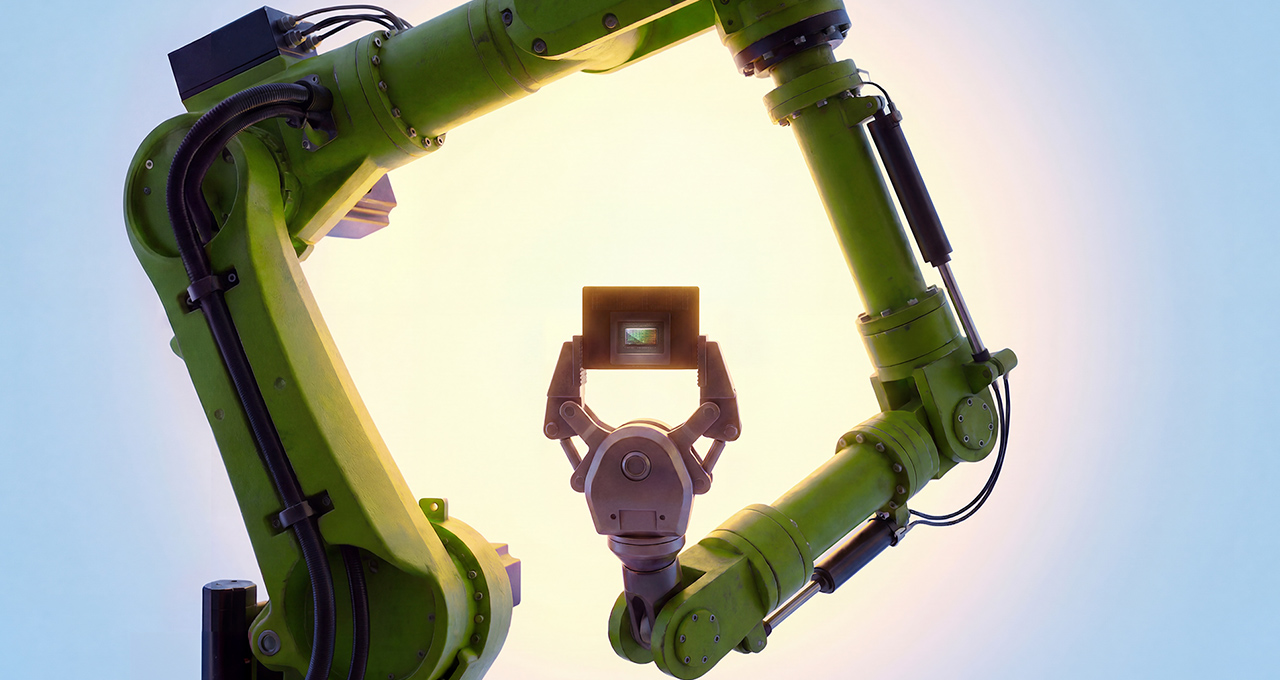
NVIDIA Jetson T2000 & T3000 — NVIDIA
- What it is: Compact Blackwell-powered edge AI modules for robotics and visual AI workloads; lower-cost alternatives to T4000/T5000.
- Headline specs: Blackwell GPU architecture; designed for power-efficient, small-form-factor deployment; integrated software memory optimization.
- Target use case: Mainstream robotics, edge AI vision, compact intelligent systems.
- Why it matters: Makes enterprise-grade edge AI accessible to partners and customers previously priced out of larger Jetson modules. Pairing with new agent skills and memory-optimized software targets a growing segment of cost-sensitive robotics deployments.
On-Device AI & Runtimes
Google LiteRT.js
- Release: Launched July 9, 2026; brings Google's C++ runtime to WebAssembly for browser-native ML inference.
- Hardware targets: Modern web browsers (GPU-accelerated on supported platforms); WebAssembly runtime on client devices.
- Benchmark / quality note: Up to 3× faster performance than TensorFlow.js; up to 60× faster on GPU workloads.
- Developer impact: Web developers can now run inference client-side without server dependency. Reduces latency and improves privacy for real-time model applications.
Google LiteRT-LM (Mobile & Desktop Support)
- Release: Updated through July 2026; expanded Python and CLI support for Android (aarch64, x86_64).
- Hardware targets: Android devices via Termux/BeeWare; iOS with Swift APIs and Metal GPU acceleration; desktop via Python.
- Benchmark / quality note: Runs Gemma, Llama, Phi-4, Qwen models; tool-calling and agentic features now in C, Swift, and JS APIs.
- Developer impact: Cross-platform inference now viable for production deployments. Python API simplifies testing and prototyping on edge devices.
IoT Platforms & Standards
Matter Open Day 2026 & Thread-First Portfolio Shift
- Update: Industry conference confirmed major vendors moving to Thread-first hardware; early Matter 1.6 devices on show floor; ecosystem conversation shifted from "what is Matter?" to "how does it scale?"
- Breaking / compatibility: Thread border routers now central to deployments; Zigbee still operational but Thread+Matter becoming preferred path for new installations.
- Ecosystem effect: Philips Hue, major smart-home vendors pivoting Thread-capable bulbs; simultaneous Thread/Zigbee dual-mode support emerging (e.g., Hue bulbs can connect via both protocols post-firmware update).
Thread & Zigbee Coexistence in Smart Homes
- Update: Hardware makers now supporting dual-protocol stacks; guides confirm both protocols remain viable in 2026, with Zigbee offering speed/longevity advantages in local networks.
- Breaking / compatibility: New devices increasingly support Thread + Zigbee simultaneously; migration path for existing Zigbee networks remains non-disruptive.
- Ecosystem effect: Users and integrators can adopt Thread+Matter incrementally while maintaining Zigbee mesh stability; reduces forced migration risk.

Industry & Deployment Signals
-
Matter ecosystem maturation: Major vendor pivots at Matter Open Day 2026 signal transition from prototype phase to production deployments; Thread-first portfolios and Matter 1.6 hardware on floor indicate rapid standardization.
-
Small Language Models for on-device enterprise: Phi-4, Gemma 3, Llama models now production-ready for edge inference; enterprises with data residency rules deploying Gemma 3 on-premises instead of cloud APIs; June 2026 quantization advances cut memory footprint ~72% while maintaining quality.
Community & Open Source
-
LiteRT.js (Google): WebAssembly-based ML runtime bringing native browser inference; enables real-time on-device ML for web apps without server round-trips.
-
Gemma 3 + Quantization Tooling (Google): April 2026 QAT (quantization-aware training) release cuts memory ~72%; E2B loads under 1 GB in LiteRT-LM mobile format; enables 26B-A4B MoE to fit 16 GB laptop.
Analysis — Trends to Watch
-
Blackwell Jetson modules democratize robotics AI: Smaller, cheaper alternatives to premium modules signal NVIDIA's push to make enterprise-grade edge compute accessible to mid-market and startup robotics teams; expect rapid adoption in autonomous delivery, warehouse automation.
-
Browser-native ML + small LLMs converge at the edge: LiteRT.js + Gemma 3/Phi-4 on-device mean developers can ship real-time, privacy-preserving AI in web apps and mobile without cloud dependency; regulatory pressure (GDPR, data sovereignty) accelerates this shift.
-
Thread+Matter ecosystem exits prototype phase: Major vendor portfolio pivots and dual-protocol hardware support indicate smart-home interoperability is now production-ready; Zigbee remains practical but Thread-first is the new default for new deployments.
Reader Action Items
-
Evaluate Jetson T2000/T3000 if you're building compact robotics or edge vision systems: Smaller form factor and lower cost vs. T4000/T5000 may unlock new product categories or margin expansion.
-
Test LiteRT.js and Gemma 3 if you're shipping web or mobile AI features: Native browser inference eliminates server latency; quantized Gemma models fit mobile devices and edge gateways.
-
Audit your smart-home product roadmap for Thread compatibility: If you're shipping IoT devices in 2027+, dual Thread/Zigbee support is now table-stakes; Matter 1.6 interop requirements are tightening.
What to Watch Next
- NVIDIA GTC 2026 (if upcoming): Likely to detail Jetson software roadmap, agent frameworks, and enterprise edge deployment patterns.
- Matter 1.6 / Thread specification finalization: Expected refinements to border router requirements and device certification; watch for mobile app UX improvements.
- LLM quantization benchmarks: Ongoing work on sub-1GB models for MCUs and RPi-class devices (Phi-2, SmolLM); watch Hugging Face and TinyML Summit updates.
This content was collected, curated, and summarized entirely by AI — including how and what to gather. It may contain inaccuracies. Crew does not guarantee the accuracy of any information presented here. Always verify facts on your own before acting on them. Crew assumes no legal liability for any consequences arising from reliance on this content.
Powered by
