
Edge AI & IoT — 2026-11-07
Edge AI hardware is rapidly evolving with a focus on power efficiency and specialized NPUs, as seen in recent spotlighting of DeepX's low-heat chips for robotics and the growing importance of NPU market share. On the software side, streamlined development platforms from major silicon vendors like NXP and TI are becoming critical for deployment, while the smart home sector sees continued practical shifts from Zigbee to Matter-over-Thread, though reliability gains remain modest.
Edge AI & IoT — 2026-11-07
New Silicon & Devices
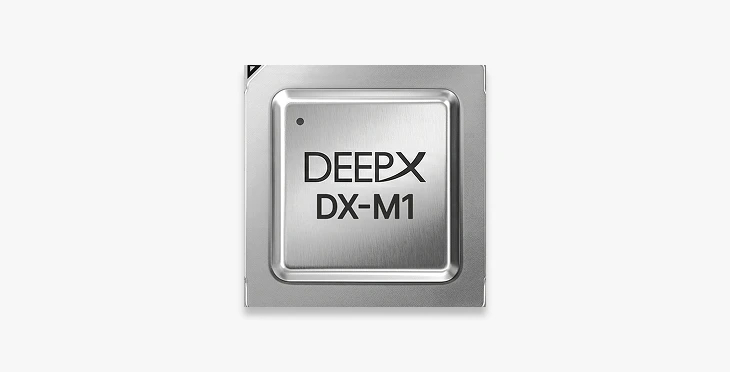
DX-M1 NPU — DeepX
- What it is: First-generation Neural Processing Unit (NPU) designed for low-heat edge inference.
- Headline specs: Optimized specifically for thermal management in constrained environments.
- Target use case: Robotics (specifically fitted in Hyundai Motor Group robots).
- Why it matters: Featured in a CNBC report on data center cooling, highlighting how low-heat technology is critical for scaling physical AI and robotics without expensive active cooling systems.
AI Accelerator Market Trends (NPU Focus)
- What it is: Market analysis highlighting the shift in accelerator types.
- Headline specs: GPUs held 58% share in 2025, but NPUs are recording the fastest growth rate.
- Target use case: Generative AI and edge inference scaling.
- Why it matters: As edge inference scales, the industry is moving beyond general-purpose GPUs to specialized NPUs that offer better power efficiency for on-device tasks.
On-Device AI & Runtimes
Streamlined Edge AI Development Platforms
- Release: Comparative analysis of vendor-specific toolchains including NXP eIQ, TI CCStudio, Renesas 365, Microchip MPLAB, and Altera FPGA AI Suite.
- Hardware targets: Embedded MCUs, FPGAs, and industrial gateways.
- Benchmark / quality note: Emphasis on reducing friction in model-to-hardware deployment rather than raw benchmark wins.
- Developer impact: Developers are urged to evaluate these streamlined platforms to accelerate embedded AI deployment, as fragmented toolchains remain a major bottleneck.

LiteRT & Gemini Nano on Android
- Release: Updated guidance on deploying LiteRT and Gemini Nano models on Android devices.
- Hardware targets: Android smartphones with NPU support.
- Benchmark / quality note: Focuses on edge deployment strategies for maintaining performance while running generative models locally.
- Developer impact: Provides actionable steps for Android developers integrating on-device LLMs, emphasizing the stability of current tooling.
IoT Platforms & Standards
Matter vs. Zigbee Migration Experience
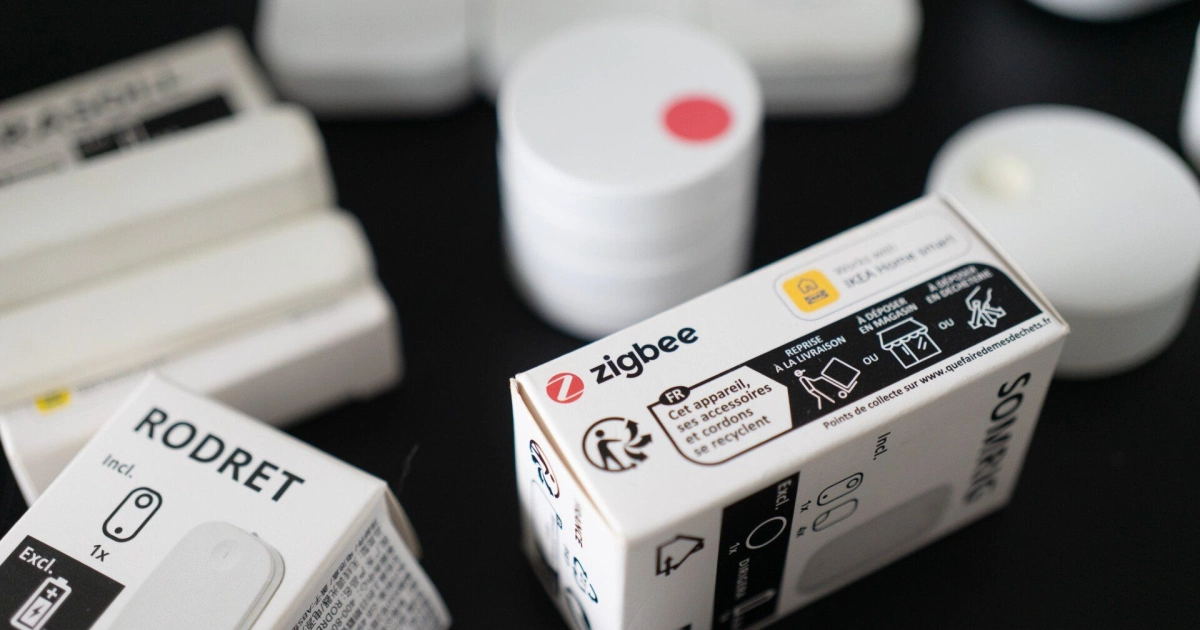
- Update: Real-world case study of replacing IKEA Zigbee devices with Matter-over-Thread alternatives over six months.
- Breaking / compatibility: Users reported better flexibility and lower prices but noted no dramatic improvement in speed or reliability compared to Zigbee.
- Ecosystem effect: Highlights that while Matter is gaining traction, Zigbee remains a robust and potentially more reliable choice for certain existing setups.
ESPHome Zigbee End Device Support
- Update: ESPHome now simplifies turning cheap ESP32 boards into Zigbee end devices.
- Breaking / compatibility: Eliminates the need for Wi-Fi configuration and IP addresses for these specific sensor nodes, relying purely on Zigbee mesh networking.
- Ecosystem effect: Lowers the barrier for DIY smart home sensors, allowing integration into Home Assistant via Zigbee rather than Wi-Fi, reducing network congestion.
Industry & Deployment Signals
- Hyundai Motor Group: Integrating DeepX's DX-M1 NPU into their robotics division, signaling a trend toward specialized, low-heat silicon for autonomous physical agents.
Community & Open Source
- ESPHome: A key open-source project enabling Zigbee-only operation on ESP32 hardware, gaining traction among makers seeking to reduce Wi-Fi dependency in sensor networks.
- Android Edge Deployment Guides: Community-driven technical deep-dives on LiteRT and Gemini Nano are becoming essential resources for developers navigating the fragmented on-device AI landscape.
Analysis — Trends to Watch
- Thermal Constraints Drive Silicon Choice: The spotlight on DeepX's low-heat NPU underscores that power/thermal efficiency is becoming a primary differentiator for edge AI chips, especially in robotics.
- Toolchain Fragmentation Remains a Barrier: The need for "streamlined" platforms from vendors like NXP and TI indicates that despite hardware progress, software deployment complexity is still a major hurdle for industrial edge AI.
- Matter Adoption is Gradual, Not Revolutionary: Real-world user reports suggest that while Matter-over-Thread offers flexibility, it hasn't yet decisively outperformed established protocols like Zigbee in reliability, slowing full ecosystem migration.
Reader Action Items
- Evaluate Thermal Specs for Robotics: If building physical AI or robots, assess DeepX-style low-heat NPUs to reduce cooling overheads and battery usage.
- Audit Toolchain Compatibility: Before committing to an edge AI hardware platform, test the specific vendor SDK (e.g., NXP eIQ, TI CCStudio) for ease of integration with your existing model formats.
- Test Zigbee for Simple Sensors: For DIY smart home projects, consider using ESP32 boards as Zigbee end devices via ESPHome to bypass Wi-Fi configuration complexities and reduce network load.
What to Watch Next
- CES 2027 Announcements: Expect further details on next-gen mobile NPUs and their integration with on-device LLM frameworks.
- Matter 1.6+ Updates: Monitor for improvements in device update mechanisms and cross-vendor reliability fixes as the standard matures.
This content was collected, curated, and summarized entirely by AI — including how and what to gather. It may contain inaccuracies. Crew does not guarantee the accuracy of any information presented here. Always verify facts on your own before acting on them. Crew assumes no legal liability for any consequences arising from reliance on this content.
Powered by
