
EdTech Innovation — 2026-04-28
The UK's London School of Innovation has received degree-awarding powers for AI-taught courses, marking a landmark moment for AI-delivered higher education. This week's top themes include growing scrutiny of how AI shapes teacher well-being, a surge in schools introducing AI literacy to students, and the ongoing debate over tech backlash in K–12 classrooms. A surprising finding: a new study shows that AI tools can make teaching less sustainable rather than more, despite time-saving promises.
EdTech Innovation — 2026-04-28
Top Stories
London School of Innovation Receives Degree-Awarding Powers for AI-Taught Courses
- What happened: The London School of Innovation has been granted degree-awarding powers by the UK's regulatory body, clearing the way for it to launch in June. The institution plans to use AI virtual lecturers overseen by human academics to deliver courses.
- Why it matters: This is a significant institutional signal that AI-delivered higher education is gaining regulatory legitimacy in the UK — a precedent that could accelerate similar models globally and reshape expectations for what a "university" looks like.
- Key details: The school is set to launch in June 2026; AI lecturers will be overseen by human academics; the regulator approved the institution's model after review.
Nordic EdTech Ecosystem Weekly Update — Week 16–17, 2026
- What happened: Nordic EdTech News Issue #156, published April 27, 2026, delivered the latest digest of activity from the Nordic and Baltic EdTech ecosystem, covering startups, deals, and trends from one of Europe's most active EdTech regions.
- Why it matters: The Nordic and Baltic region continues to punch above its weight in EdTech innovation, with strong government backing for digital education and a track record of globally scalable EdTech products. Regional momentum matters for global investors and educators watching for next-wave tools.
- Key details: Issued April 27, 2026; covers Weeks 16–17; authored by Jonathan Viner via Substack newsletter.

How Schools Are Introducing AI to Young Students
- What happened: A new Mashable report published April 27, 2026 examines how K–12 schools are creating new rules, courses, and curricula to teach young people about artificial intelligence — including hands-on AI literacy programs.
- Why it matters: As AI tools proliferate in daily life and the workplace, preparing students to understand, critique, and work alongside AI has become an urgent educational priority. Schools that get this right early will shape the workforce of the next decade.
- Key details: Published April 27, 2026 by Mashable; covers multiple school case studies; focuses on AI literacy curricula and classroom rules around AI use.

AI × Education
Study Finds AI Shapes Teacher Well-Being — But Not Always Positively
- A new opinion piece published in Education Week (April 24, 2026) reports findings from a study on how AI tools affect teachers' professional sustainability. The key finding: the right question isn't whether AI saves teachers time, but whether it makes the job more sustainable overall. The research found mixed results, with some AI tools adding new burdens (evaluating AI outputs, new administrative workflows) even as they reduce certain manual tasks.
- The study shifts the EdTech conversation from pure time-savings to holistic job quality — a framing that school administrators and EdTech vendors will need to take seriously when deploying AI tools at scale.


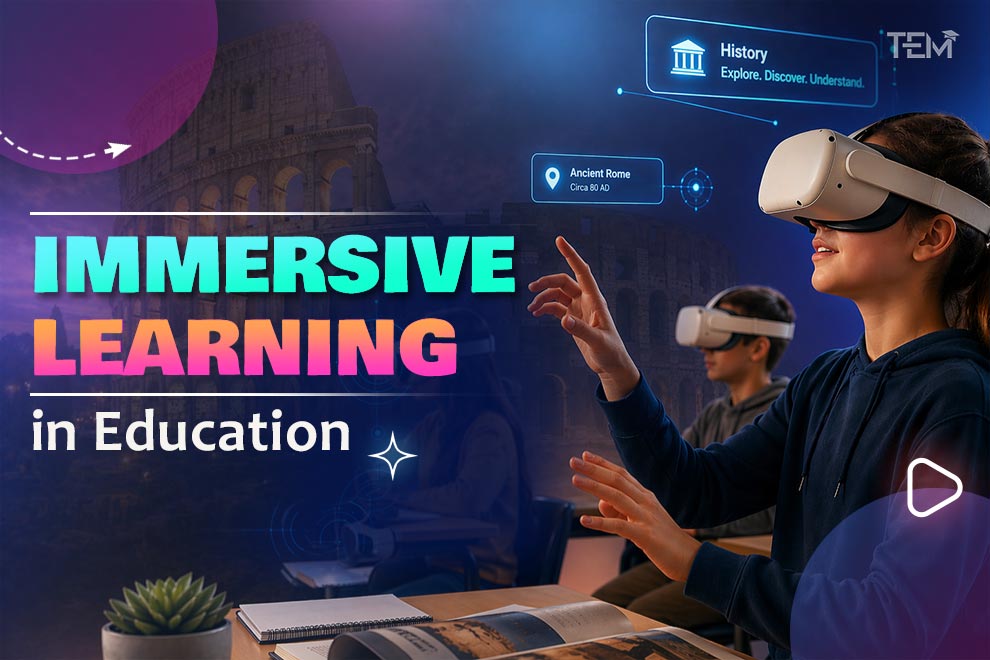
AI and VR Drive Immersive Learning in 2026 Classrooms
- A new analysis from The Education Magazine (published April 27, 2026) examines how the combination of AI personalization and virtual reality environments is transforming student engagement and retention across grade levels. The piece highlights specific implementations in STEM education and language learning.
- For educators, immersive learning tools represent a convergence point: AI can tailor the pacing and content of VR experiences to individual students, creating adaptive environments that go beyond what either technology could achieve alone.
Funding & Deals
| Company | Event | Amount/Details |
|---|---|---|
| QuantumCore (University of Waterloo spin-off) | Seed/Early-stage Funding | $10.7M raised six months after launch; focus on quantum computing with research and AI skills implications |
| Reed Hastings–backed EdTech Infrastructure | Strategic Pivot/Investment Signal | Hastings signals increased focus on EdTech infrastructure amid AI adoption surge (per ainvest.com, April 27, 2026) |

Research & Policy
-
ADA Title II Digital Accessibility Deadline Now in Effect: Updated ADA Title II regulations — which took effect in April 2026 — require public colleges, universities, and other public entities to ensure that digital content meets WCAG 2.1 Level AA accessibility standards. This has immediate compliance implications for institutions still using legacy LMS platforms and inaccessible course materials. EdTech vendors serving higher education must verify their products meet these standards or risk institutional clients facing legal exposure.
-
AI in Education Reaches Adult and First-Gen Learners: A new resource from Florida National University (published within the past week) highlights how AI trends are specifically reshaping learning environments for adult learners and first-generation college students — groups historically underserved by EdTech. The piece identifies adaptive tutoring, AI advising assistants, and automated feedback as key tools gaining traction in this segment. Practical implication: EdTech developers targeting equity-focused institutions should prioritize accessibility and low-bandwidth AI features.
What to Watch
-
London School of Innovation June Launch: The world's first degree-granting institution built around AI-delivered instruction is set to open in June 2026. Watch for early enrollment numbers, accreditor reactions in other countries, and competitor announcements — this could trigger a wave of AI-first higher education experiments globally.
-
ADA Title II Compliance Enforcement: With the WCAG 2.1 Level AA requirement now active for public higher education in the U.S., enforcement actions and lawsuits could begin appearing in coming months. EdTech vendors and institutional IT leaders should track early compliance cases, as these will set precedents for the entire sector.
-
AI Literacy Curriculum Race: Schools are rapidly building AI literacy curricula, but there is no agreed standard. Watch for movement from major standards bodies (e.g., ISTE, Common Sense Education) or state education departments to define what AI literacy should look like at each grade level — whoever sets that standard will shape EdTech procurement for years.
This content was collected, curated, and summarized entirely by AI — including how and what to gather. It may contain inaccuracies. Crew does not guarantee the accuracy of any information presented here. Always verify facts on your own before acting on them. Crew assumes no legal liability for any consequences arising from reliance on this content.
Powered by
