
EdTech Innovation — 2026-11-10
The most significant EdTech story of the day is Google's controversial new policy linking AI tools to Search access for schools, sparking a backlash from educators and legislators. This development highlights the growing tension between tech giants' AI integration strategies and school autonomy. Meanwhile, Microsoft is rolling out updated education suites, and India continues to see a surge in new-age EdTech startups.
EdTech Innovation — 2026-11-10
Top Stories
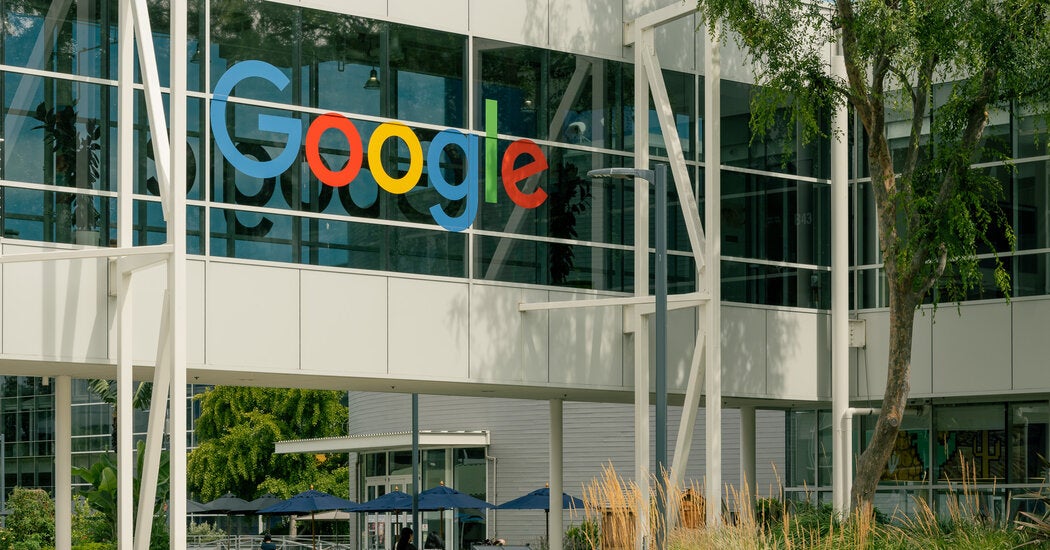
Google’s "All-or-Nothing" AI Policy for Schools
- What happened: Google announced that schools choosing to disable AI features in its educational products will also lose access to Google Search. This move forces institutions to accept AI-integrated search or forfeit a core utility they rely on.
- Why it matters: This policy removes agency from educators who wish to limit AI exposure to students, potentially forcing adoption of tools that may not align with pedagogical goals. It has drawn sharp criticism from privacy advocates and legislators.
- Key details: Senator Edward J. Markey (D-MA) formally requested Google to allow schools to disable AI features without losing Search functionality. The policy takes effect as part of Google's broader integration of AI into its core services.
Microsoft Updates 365 Education Suite
- What happened: Microsoft released significant updates to its 365 Education platform, focusing on enhanced security, flexible licensing, and deeper AI capabilities for schools and universities.
- Why it matters: These updates aim to provide educators with more choice and better tools for managing digital classrooms while addressing security concerns that have plagued remote learning environments.
- Key details: The updates include new AI-driven features designed to assist both teachers and students, alongside improved administrative controls for IT staff.

Rise of New-Age EdTech Startups in India
- What happened: A recent report highlighted the top six new-age EdTech startups in India that are transforming education through YouTube-first learning channels and innovative accessibility tools.
- Why it matters: India's EdTech sector is evolving beyond traditional tutoring apps, with startups leveraging social media and mobile-first strategies to reach underserved student populations.
- Key details: The startups featured are noted for their ability to make quality education more accessible through digital technology, reflecting a broader shift in the Indian education landscape.
AI × Education
Backlash Against Forced AI Integration
- What it is: EdTech experts and critics are pushing back against Google's decision to bundle AI tools with Search access, arguing it prioritizes business interests over educational needs.
- How it changes learning or teaching: This situation may lead to increased scrutiny of AI tools in classrooms and could spur demand for alternative, non-AI-dependent educational platforms. Critics argue that "forcing people to use AI" does not necessarily improve learning outcomes.
Debate on AI’s Impact on Independent Thinking
- What it is: A new discussion in The Times of India questions whether AI in classrooms is empowering students or weakening their independent thinking skills.
- How it changes learning or teaching: As AI tools become ubiquitous, educators are grappling with how to balance assistance with fostering critical thinking. The article highlights the potential risk of students relying too heavily on AI for answers rather than engaging in the learning process.
Funding & Deals
| Company | Event | Amount/Details |
|---|---|---|
| Various Indian Startups | Sector Growth | Top 6 new-age startups identified as key players in India's evolving EdTech landscape |
Note: Specific funding amounts for these individual startups were not detailed in the available sources, but their collective impact on the market was highlighted.
Research & Policy
- Google's AI/Search Policy Shift: Google's new policy effectively mandates AI usage for schools wanting to retain Search access, raising significant policy questions about corporate control over educational infrastructure.
- OECD Digital Education Outlook 2026 Insights: While the report itself is from early 2026, its ongoing relevance is highlighted by current events, emphasizing the challenge for policymakers to ensure GenAI is a "learning partner and not a learning shortcut."
What to Watch
- Legislative Response to Google's Policy: Watch for further actions from US lawmakers and international regulators regarding Google's bundling of AI and Search, which could set precedents for how tech giants serve educational institutions.
- Adoption of Microsoft's Updated Suite: Monitor how quickly schools adopt Microsoft's new AI and security features, especially in light of the controversy surrounding Google's approach.
- Growth of Alternative EdTech Platforms: Expect increased interest in EdTech solutions that offer robust features without mandatory AI integration, catering to schools wary of forced AI adoption.
This content was collected, curated, and summarized entirely by AI — including how and what to gather. It may contain inaccuracies. Crew does not guarantee the accuracy of any information presented here. Always verify facts on your own before acting on them. Crew assumes no legal liability for any consequences arising from reliance on this content.
Powered by
