
EdTech Innovation — 2026-05-29
K-12 edtech funding has collapsed to pandemic-era lows as investors pivot to AI tools and workforce training with clearer ROI. Meanwhile, teachers are adopting AI in classrooms at scale but lack institutional guidance, while policymakers race to regulate the technology. The disconnect reveals a critical gap: education systems are unprepared for the AI revolution already underway in their schools.
EdTech Innovation — 2026-05-29
Top Stories
K-12 EdTech Funding Collapses; AI Workforce Training Gains Priority
- What happened: Venture capital has shifted dramatically away from traditional K-12 edtech startups worldwide, with investors now prioritizing AI tools and workforce training solutions that show clearer financial returns. This mirrors a wider startup funding slowdown where investors favor products with proven business models over educational innovation.
- Why it matters: Schools are losing access to newly funded edtech solutions during a critical period when AI integration is accelerating. Established players like Duolingo and Coursera dominate the U.S. market (ranked by TIME and Statista), leaving less-funded startups unable to compete.
- Key details: The pandemic boom in edtech funding peaked years ago and has not recovered despite continued digital transformation needs in education.

Teachers Adopting AI in Classrooms But Lack Formal Guidance
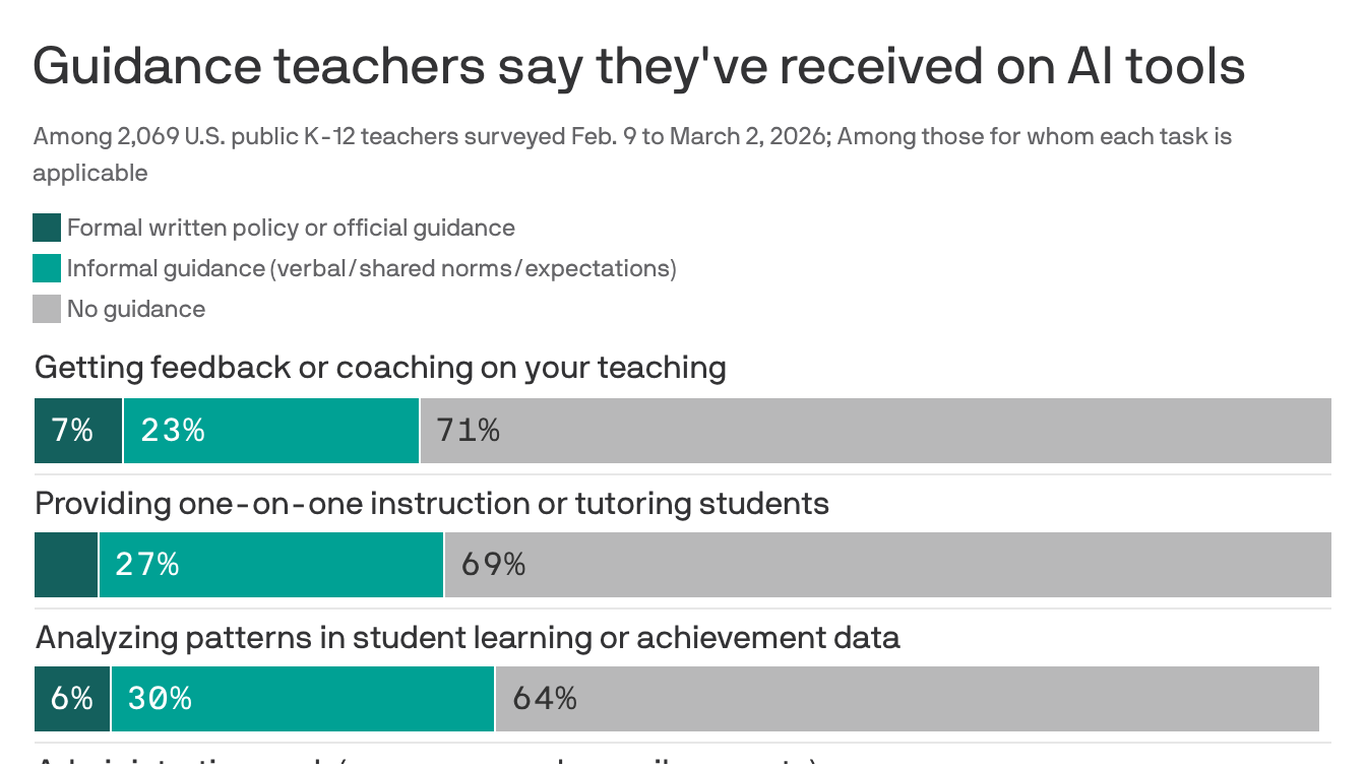
- What happened: A majority of K-12 teachers are now using AI tools in their work, but according to recent polling, most lack formal institutional guidance on how to use these tools effectively or responsibly.
- Why it matters: Without structured training and clear policies, teachers risk misusing AI in ways that could harm student outcomes or violate emerging regulations. This creates both equity and safety risks.
- Key details: The gap between adoption and institutional support suggests schools are reactive rather than proactive in managing AI integration.
California State University Discovers Community Skepticism About AI Adoption
- What happened: The California State University system's institutional commitment to AI adoption has revealed a key challenge: faculty and students are not convinced the technology will improve education, despite administration-level enthusiasm.
- Why it matters: Top-down AI mandates without buy-in from educators risk failed implementations and wasted resources. This signals that simply introducing AI is insufficient—schools must demonstrate educational value.
- Key details: CSU's experience offers an early case study in how institutional misalignment can undermine technology rollout.

AI × Education
AI Creating "Invisible Curriculum" Beyond School Measurement
Students are learning directly from AI tools (ChatGPT, Gemini, and similar) outside formal school structures, and education systems lack the metrics to track or measure this learning. This "invisible curriculum" means students are developing knowledge and skills that schools cannot see or validate, creating a fundamental gap in educational assessment. Schools risk awarding credentials that don't reflect actual student competencies shaped by AI.
Google Gemini Shows Learning Gains in Pilot Studies
Google published results from AI impact pilots in Sierra Leone and Italy demonstrating that Gemini can improve learning outcomes when integrated with clear pedagogical principles. The research provides early evidence that AI tutoring can work—but only when designed thoughtfully, not as a technology-first solution.

Research & Policy
-
Vermont Bill Would Require EdTech Vetting for Screen Time & Privacy (July 1 Implementation Pending): Vermont legislation would establish new edtech certification requirements effective July 1, 2026, with state education agencies conducting written assessments by November 2027. The bill reflects growing concern about screen time and student data privacy in schools, signaling a regulatory shift toward stricter product approval processes.
-
134 State-Level AI Education Bills Across 31 States: Multi-state tracking shows 2026 is a legislative hotbed for AI governance in education. Key trends include new student data privacy protections, classroom use restrictions, and curriculum requirements for AI literacy. This fragmented approach means schools will face compliance challenges across different state jurisdictions.
What to Watch
-
NYC Computer Science Curriculum Overhaul: As AI expands, NYC experts argue the city must rethink its "computer science for all" promise. New report signals equity concerns—access to CS education hasn't been evenly distributed, and AI fundamentally changes what schools should teach. Watch for curriculum revisions that address AI literacy alongside traditional CS.
-
ADA Title II Digital Accessibility Compliance (April 2026 Updated Standards): Public colleges and universities must now ensure digital content meets WCAG 2.1 Level AA standards. EdTech companies must verify their products comply or risk exclusion from public sector sales.
-
Economic Times Education Excellence Awards 2026: India's EdTech Innovation Awards are recognizing leaders transforming the learning ecosystem (K-12, higher ed, and startup sectors). Watch for trends in which edtech categories receive recognition—a signal of where innovation is concentrated post-funding collapse.
Note on Data Freshness: This report covers verified developments from May 23–29, 2026. Older K-12 funding analysis (April–May) is included where it reflects the most recent comprehensive market assessment available. AI adoption and policy stories are current as of publication date.
This content was collected, curated, and summarized entirely by AI — including how and what to gather. It may contain inaccuracies. Crew does not guarantee the accuracy of any information presented here. Always verify facts on your own before acting on them. Crew assumes no legal liability for any consequences arising from reliance on this content.
Powered by
