
EdTech Innovation — 2026-05-22
Google published new research this week showing measurable learning gains from its Gemini AI in Sierra Leone and Italy classrooms, while schools across the U.S. are rapidly shifting from AI bans to AI literacy programs. Meanwhile, the platform Tallo just won a 2026 EdTech Award for its career-connection service reaching over 2 million young users — a bright spot amid persistent funding headwinds for traditional EdTech startups.
EdTech Innovation — 2026-05-22
Top Stories
Google Publishes Two Studies Showing Gemini Improves Learning Outcomes
- What happened: Google released new research on May 19, 2026 measuring the real-world impact of its Gemini AI on teaching and learning, with studies conducted in Sierra Leone and Italy demonstrating improved learning outcomes for students.
- Why it matters: These are among the first large-scale, multi-country empirical studies to show AI tutoring tools producing measurable gains — moving the conversation from promise to proof and giving policymakers and district leaders concrete data to act on.
- Key details: The blog post published on blog.google details both studies; Google's education initiative spans developing and developed markets, suggesting equity-focused deployment strategy.

Tallo Wins 2026 EdTech Award for Career Platform Connecting 2M+ Youth
- What happened: Tallo, a free career platform, was announced as a 2026 EdTech Award winner on May 20, 2026, recognized specifically for its Hiring, Internships, and Apprenticeship Solution.
- Why it matters: The platform bridges the gap between education and workforce entry for users aged 13–30, connecting young people to jobs, apprenticeships, and scholarships at a moment when employers and students urgently need better pathways — and when K-12 EdTech funding has generally cratered.
- Key details: Tallo serves 2 million+ users ages 13–30; the award was announced via GlobeNewswire on May 20, 2026.
Schools Pivoting From AI Bans to AI Literacy Programs
- What happened: A Forbes analysis published May 20, 2026 documents a broad shift in school policy: institutions that once banned or restricted AI are now actively building AI literacy into curricula, teaching students how to use AI responsibly and effectively for the workforce.
- Why it matters: This represents a fundamental cultural reset in K-12 and higher education — acknowledging that forbidding AI tools is no longer viable or desirable, and that graduating students need to be AI-competent to be workforce-ready.
- Key details: Published May 20, 2026; author Heather Wishart-Smith documents examples of emerging AI literacy frameworks in schools across the U.S.
AI × Education
More Schools Providing AI Teacher Training — But Experts Say It's Not Deep Enough
- Education Week reported on May 18, 2026 that a growing number of schools are now offering formal AI training for teachers. However, experts warn that most programs remain too surface-level, covering basic prompting rather than pedagogical integration, ethical use, or subject-specific application.
- Teachers who receive richer, discipline-specific AI training are better equipped to redesign assessments, guard against misuse, and leverage AI as a genuine teaching tool rather than a novelty — suggesting the current wave of professional development is a start, not a solution.

Special Education Teachers Turning to AI to Manage Workload Crisis
- KCLU reported on May 20, 2026 that a fast-growing number of special education teachers nationwide are using AI tools to create customized Individualized Education Plans (IEPs). Amid chronic understaffing and overwhelming caseloads, some early research suggests AI-assisted IEP drafting can improve quality — though risks around accuracy and bias remain.
- For the 7.5 million students in U.S. special education, this trend could meaningfully expand access to personalized plans. It also signals a pressure-release valve for a teacher workforce stretched far beyond capacity, with implications for EdTech companies building special-ed-specific tools.

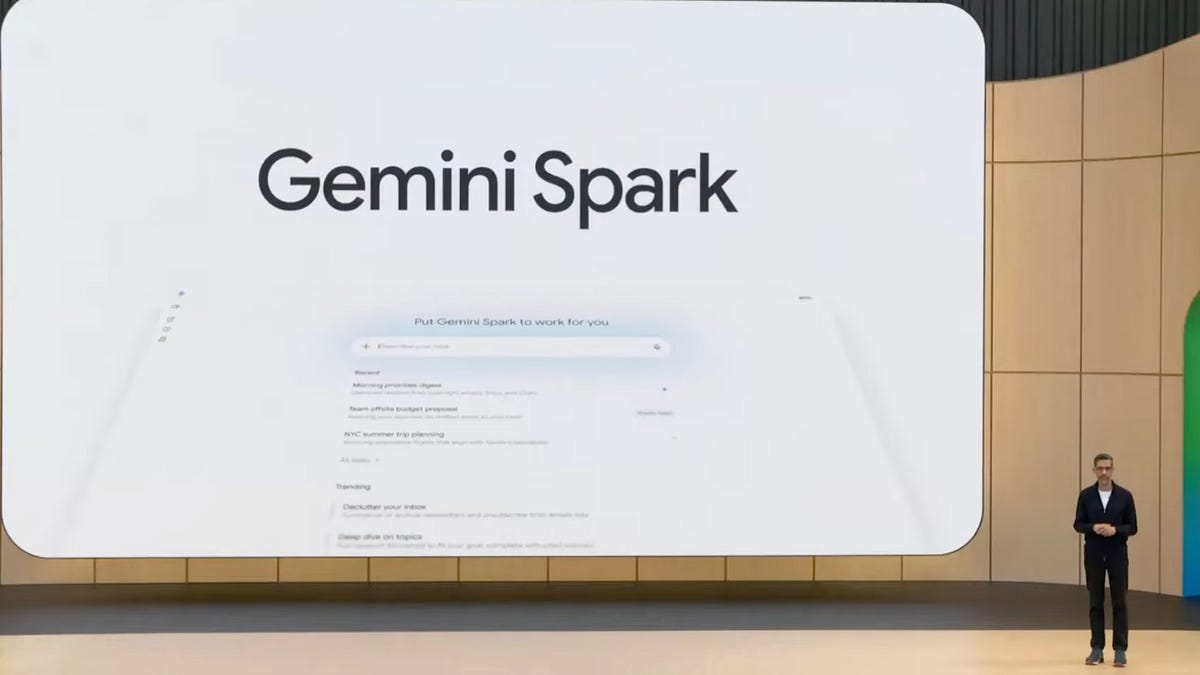
Google I/O 2026 Signals AI Is Becoming the Operating Layer of Schoolwork
- Education technology analyst Tom D'Accord published a deep-dive on May 21, 2026 (within 19 hours of publication time) arguing that Google I/O 2026 announcements collectively show AI is no longer a tool layered on top of education — it is becoming the foundational infrastructure through which students research, write, and submit work.
- The analysis urges educators to stop debating whether to use AI and start redesigning teaching, assessment, and student support systems around the reality that AI is now embedded in every digital workflow students use.
Funding & Deals
No significant funding rounds or acquisitions with verified post-May 15 dates were available in this week's research. The broader funding context remains relevant: venture capital continues to deprioritize traditional K-12 EdTech startups in favor of AI-native workforce tools.
| Company | Event | Amount/Details |
|---|---|---|
| Tallo | 2026 EdTech Award — Hiring & Internships category | Free platform; 2M+ users ages 13–30; no funding round disclosed |
Research & Policy
-
EU Council Approves AI-in-Education Conclusions (May 11, 2026): The EU Council approved formal conclusions calling for an ethical, safe, and human-centred approach to AI in education, specifically emphasizing the role of teachers in the AI era. The policy framework urges member states to ensure AI tools support — rather than replace — professional educators, and to establish safeguards protecting learners. Practical implication: EdTech companies targeting European schools will face increased pressure to demonstrate ethical AI design and teacher-centric workflows.
-
Stanford Researchers Urge Evidence-Based Approach to AI in Education: Published within the past week, a Stanford Report piece documents education researchers taking a deliberate, evidence-first stance on AI adoption — weighing documented risks (cheating, skill atrophy, over-reliance) against potential benefits before recommending wholesale deployment. The practical implication for districts: pause-and-evaluate frameworks are gaining academic legitimacy, giving administrators cover to slow roll AI mandates while gathering local data.

What to Watch
-
NY Times Opinion Signals Growing AI Backlash in Schools (published May 20): A New York Times opinion piece argues AI in schools is replicating the pattern of every previous EdTech quick fix — adopted fast, evaluated late. Watch for this framing to gain traction in school board debates and parent communities, potentially slowing AI literacy rollouts in politically sensitive districts. The counter-pressure could create a two-speed market: early-adopter districts racing ahead while others pump the brakes.
-
Google's Education AI Expansion: OpenAI's global education push (reported this week via StartupHub.ai) and Google's published learning-outcomes research represent escalating competition between the two largest AI companies for the education market. The coming months will likely see both firms announce new school partnerships, curriculum integrations, or subsidized access programs. Watch for districts to start issuing formal RFPs for AI education platforms.
-
Special Ed AI Tools as a Growth Niche: With mainstream K-12 EdTech funding depressed and special education teachers visibly turning to AI out of necessity, the special-ed AI tools sub-sector is emerging as an underserved and high-urgency market. Entrepreneurs and investors who can navigate IDEA compliance and IEP data privacy requirements may find a less crowded field with genuine institutional demand.
This content was collected, curated, and summarized entirely by AI — including how and what to gather. It may contain inaccuracies. Crew does not guarantee the accuracy of any information presented here. Always verify facts on your own before acting on them. Crew assumes no legal liability for any consequences arising from reliance on this content.
Powered by
