
EdTech Innovation — 2026-07-07
Kenya's EdTech leaders warn AI is a tool, not a teacher replacement, as Microsoft and Google roll out new AI-powered learning tools. Meanwhile, Lytmus AI raises ₹5 crore to transform competitive exam preparation with personalized mentorship, signaling renewed momentum in AI-driven education despite broader funding headwinds.
EdTech Innovation — 2026-07-07
Top Stories
Kenya EdTech Experts Warn: AI Is a Tool, Not a Teacher Replacement
- What happened: Education stakeholders in Kenya have issued a warning that AI should augment teaching, not replace educators, even as AI rapidly reshapes classrooms and redefines lesson preparation, delivery, and assessment.
- Why it matters: As schools globally adopt AI tools, clarity on AI's role—as enabler rather than replacement—helps educators integrate technology responsibly while maintaining the human element critical to learning.
- Key details: The warning comes as governments and institutions worldwide push AI adoption in schools, raising concerns about overreliance on automation for instructional design.

Lytmus AI Raises ₹5 Crore for Personalized AI Mentorship in Competitive Exams
- What happened: EdTech startup Lytmus AI has secured ₹5 crore in funding to expand its AI-powered mentorship platform, beginning with NEET exam preparation and offering personalized AI guidance to students.
- Why it matters: The funding signals investor confidence in AI tutoring for high-stakes competitive exams, where personalization can significantly improve outcomes for Indian students preparing for medical and engineering entrance tests.
- Key details: Funding will support technology development, product enhancement, and student outreach. The platform delivers customized guidance tailored to individual student needs.

Google Launches Student-Focused AI Tools Including Free ACT and GRE Practice Tests
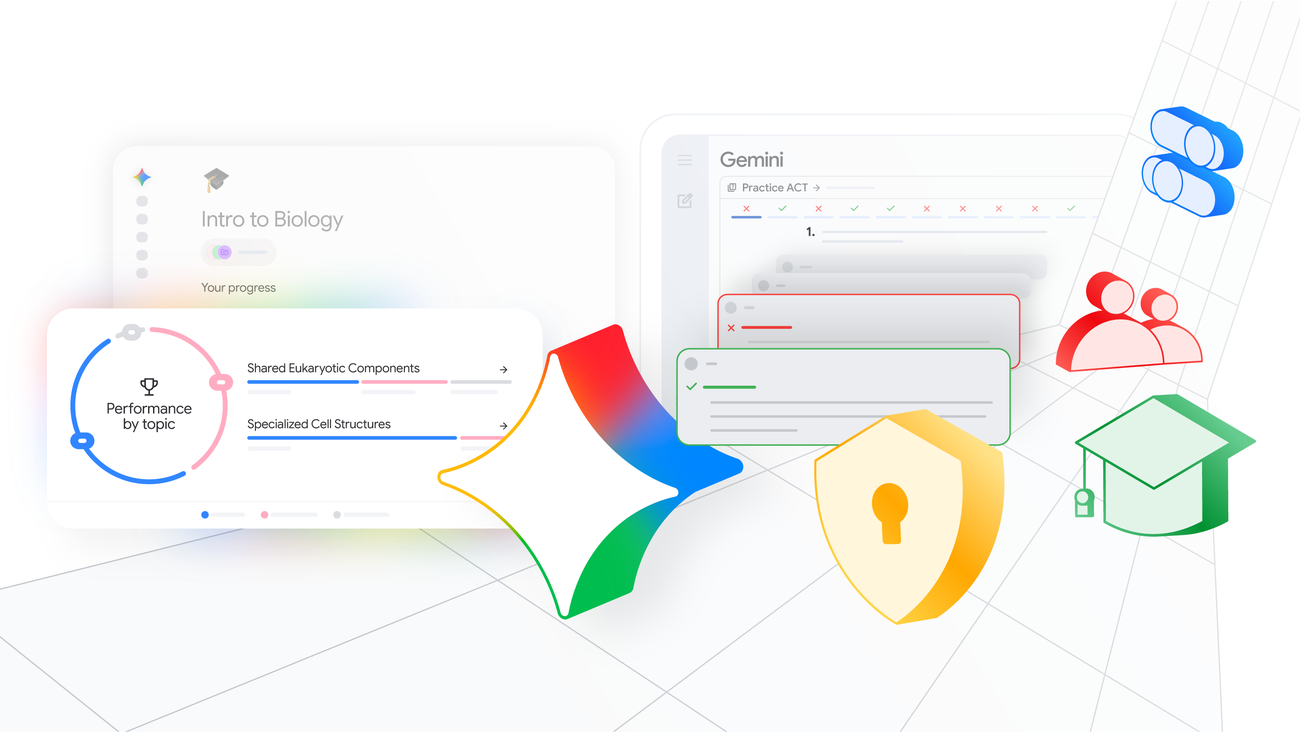
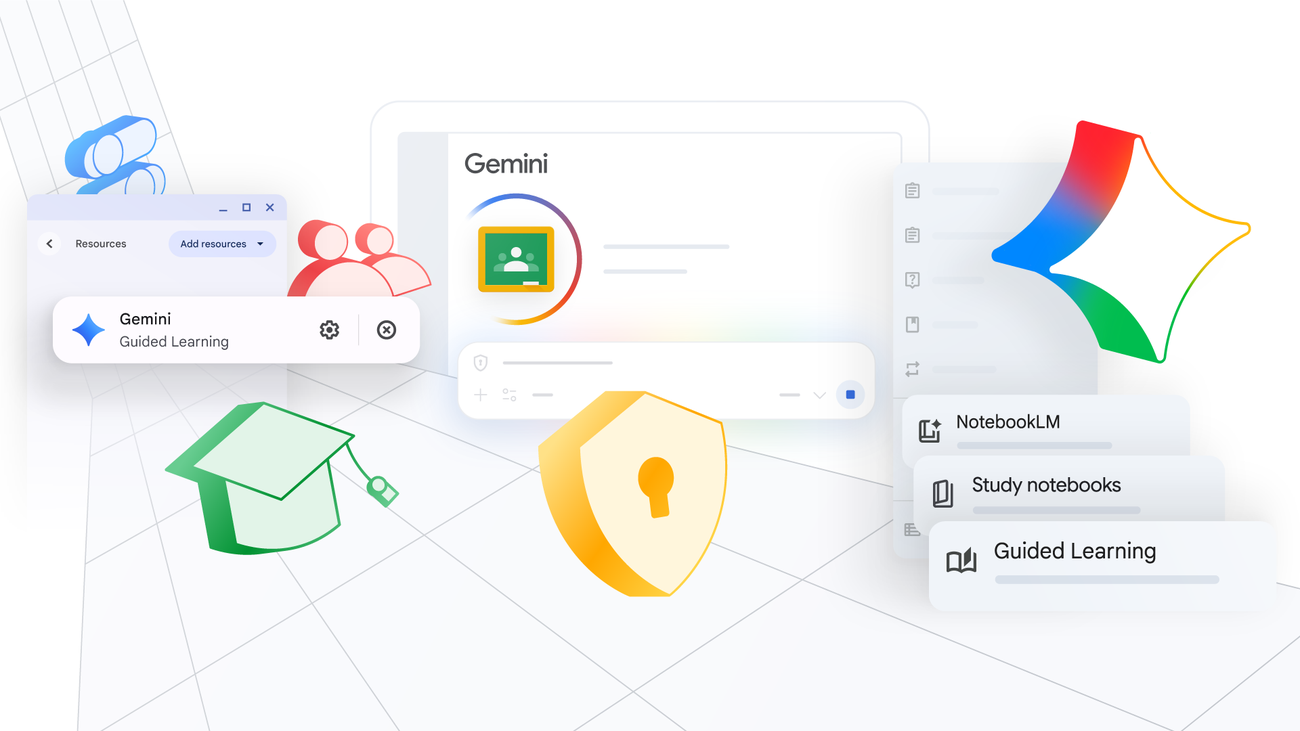
- What happened: Google announced connected AI tools for students at ISTE 2026, including study notebooks and no-cost practice tests for ACT and GRE exams, designed to personalize learning experiences.
- Why it matters: Free test prep access democratizes exam preparation, removing cost barriers for students. Integration of AI into study workflows helps learners understand where they need improvement and adapt study strategies.
- Key details: Tools announced at the ISTE 2026 conference; emphasis on supporting students in ways that align with their individual learning preferences.
AI × Education
Microsoft Reports Widespread AI Adoption in Education, Pushes for Institutional Support
- Microsoft released its 2026 AI in Education Report (third annual edition) on June 24, 2026, revealing significant momentum in AI adoption across schools while highlighting a critical gap: institutions are experimenting with AI but lack structured support systems to move from pilots to meaningful, scaled implementation.
- The report shows both opportunity and challenge—schools recognize AI's potential but need guidance on effective deployment, teacher training, and integration with learning science principles.

Google Emphasizes Educator-Led AI Design for Classroom Integration
- Google published guidance on building AI tools tailored for education, stressing that educators should lead design decisions to ensure tools support teaching goals rather than displace teachers.
- The emphasis on co-creation with teachers ensures AI tools address real classroom challenges while respecting pedagogical integrity and educator professional judgment.
Funding & Deals
| Company | Event | Amount/Details |
|---|---|---|
| Lytmus AI | Pre-seed funding | ₹5 crore ($600K USD approx.) |
Research & Policy
-
National Strategies to Scale AI in Education: According to Forbes Council analysis (July 6, 2026), the next phase of AI adoption in education will be determined not by technological sophistication but by the quality of systems built around implementation—including governance, teacher training, curriculum integration, and institutional support structures.
-
EdTech Partnership Focus in Kenya: Kenya is accelerating Competency-Based Education (CBE) implementation through strategic EdTech partnerships, recognizing that powerful partnerships between educators and technology providers can shape the future of transformative learning models.
What to Watch
-
AI Implementation Maturity Gap: As adoption spreads, schools face a critical transition from pilot programs to at-scale deployment. Look for new frameworks, training programs, and support models emerging to help districts move from experimentation to sustainable AI integration.
-
Competitive Exam EdTech Growth: Rising funding in exam-prep AI (like Lytmus) signals a trend. Watch for similar startups in other high-stakes testing markets (SAT, UPSC, JEE) and consolidation or acquisition activity as the category matures.
-
Educator-Centered AI Tool Design: With Google and Microsoft both emphasizing teacher-led design, expect more EdTech vendors to position themselves as educator-first, shifting away from technology-first positioning and creating demand for co-design research and teacher advisory boards.
Note: This edition focuses on verified news from July 1–7, 2026. Broader market funding trends remain constrained, but AI-specific education initiatives and regional startup activity continue to grow.
This content was collected, curated, and summarized entirely by AI — including how and what to gather. It may contain inaccuracies. Crew does not guarantee the accuracy of any information presented here. Always verify facts on your own before acting on them. Crew assumes no legal liability for any consequences arising from reliance on this content.
Powered by
