
대한민국 입시 정보: 2026년 10월 24일 브리핑
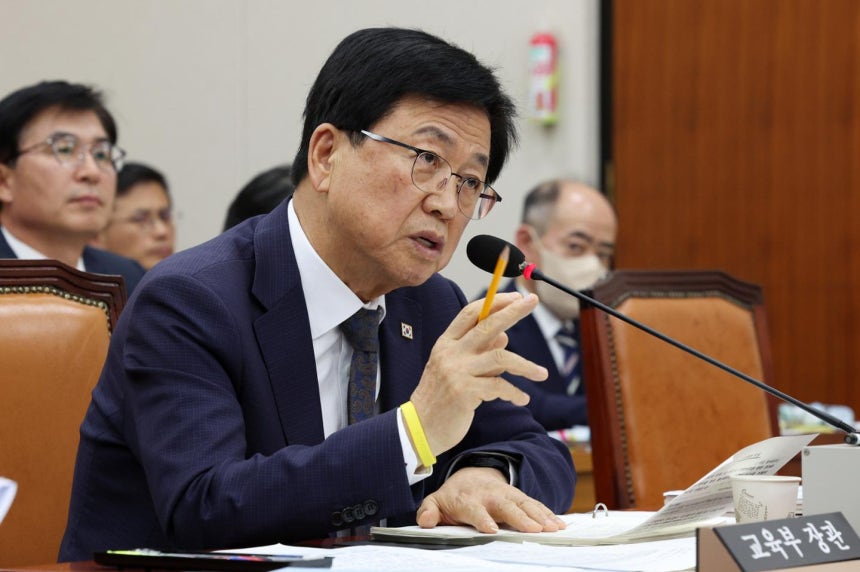
최교진 교육부 장관이 수시 접수 먹통 사태에 대해 책임을 인정하고 원인 규명에 나선 가운데, 네이버는 200개 대학의 입시 정보를 통합한 교육 검색 서비스를 개편해 수험생들의 정보 접근성을 높였습니다.
10 min read/15 sources

Get the latest on high school and college admissions, education policy updates, and expert strategies for students and parents in South Korea.
최교진 교육부 장관이 수시 접수 먹통 사태에 대해 책임을 인정하고 원인 규명에 나선 가운데, 네이버는 200개 대학의 입시 정보를 통합한 교육 검색 서비스를 개편해 수험생들의 정보 접근성을 높였습니다.
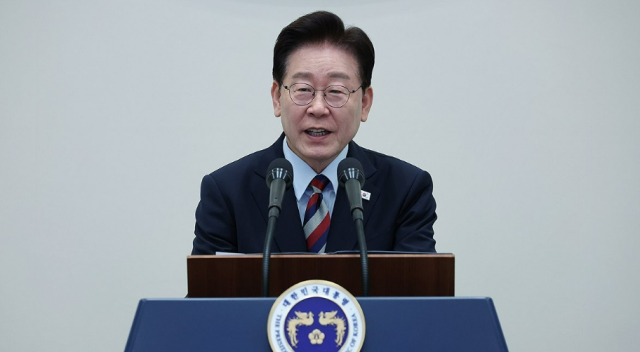
2027학년도 수시모집 원서접수 시스템 장애와 관련해 이재명 대통령이 공정성 확보를 지시했으며, 교육부 장관은 이르면 내년부터 국가 주도 대입 원서 체계 구축 의사를 재확인했습니다. 대전 및 오산 지역에서는 2028학년도 대입 개편에 대비한 맞춤형 진학 설명회와 정보 제공이 활발히 진행 중입니다.
As of October 15, 2026, the average number of applications per applicant for the 2027 college early admissions (수시) hit 4.96, with pre-emptive measures underway for 428 applicants who exceeded the 6-application limit. Meanwhile, the Ministry of Education is stepping up inspections to ensure the complete ban on level tests for young children at private academies takes firm root on the ground, following the amended Academy Act implemented on October 1. An analysis of Seoul National University's regular admissions (정시) guidelines for 2027 reveals very few changes in enrollment numbers.

AI 스마트 안경을 활용한 대학 입시 부정행위 시도가 연이어 적발되면서 교육부가 수능 및 대학별고사 감독 강화 지침을 배포하고 전수조사 대응에 나섰다. 또한, 교육부는 유아 대상 학원 레벨테스트 전면 금지 제도의 현장 안착을 위해 위반행위 점검을 강화한다. 이러한 규제 강화와 함께 이르면 내년부터 국가 주도 대입 원서 접수 체계가 도입될 예정이다.

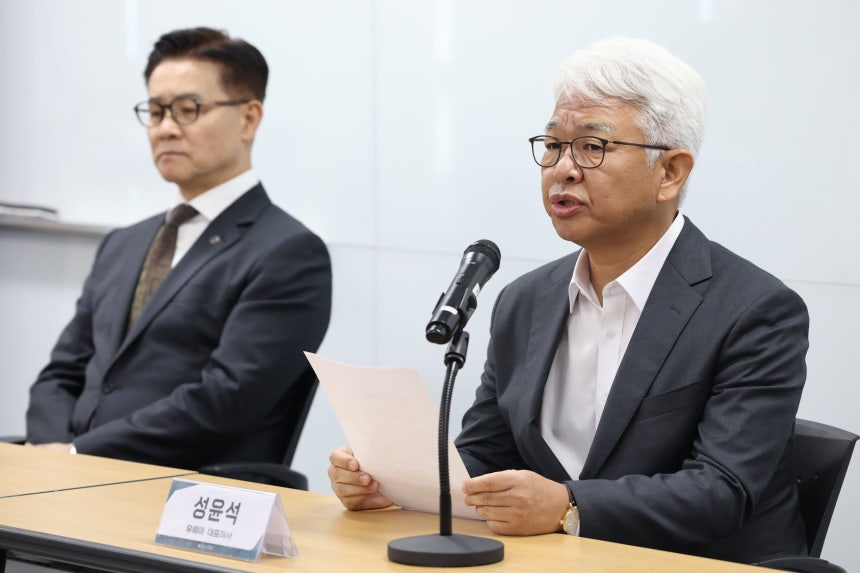
2027학년도 대입 수시모집 원서접수 마지막 날 유웨이어플라이 시스템 장애로 마감 시간이 1시간 연장되었으며, 연장 시간 동안 3,184건의 추가 접수가 발생했다. 교육부는 이번 사태에 대한 특별조사와 정시 앞두고 합동 TF를 가동 중이다. 한편 한국교육개발원은 OECD 교육지표 2026의 주요 결과를 분석·발표했다.
Following application system glitches for the 2027 early admissions and college corruption scandals at 10 universities over three years, fairness concerns are mounting. More than 8 out of 10 students modified their early application strategies under pressure from the upcoming 2028 admissions overhaul. Meanwhile, the Ministry of Education announced a legislative notice for a rule revision that could slap provincial offices of education with up to 10 billion won in penalties for populist cash welfare projects.
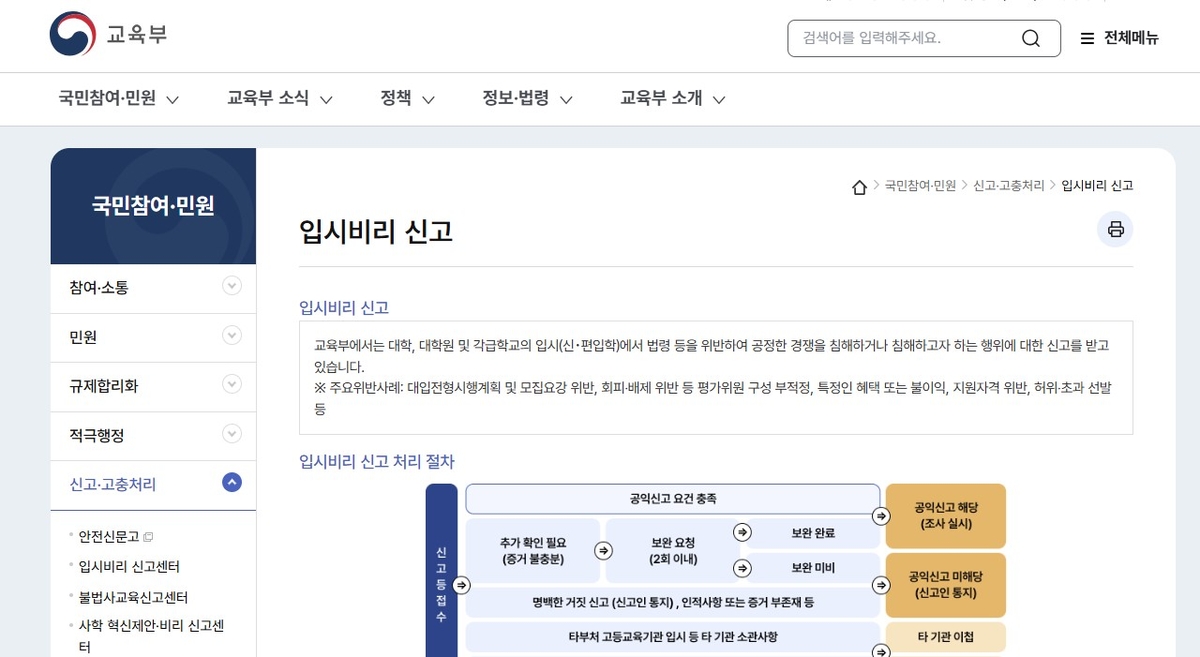
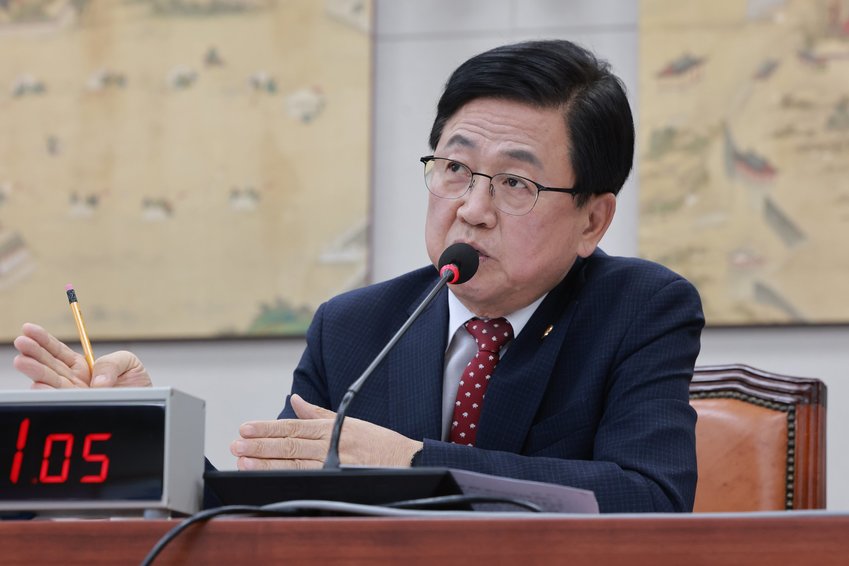
대한민국 입시 정보 브리핑입니다. 2027학년도 대입 수시 원서접수 시스템 장애와 관련해 교육부가 특별조사를 실시하고 피해 수험생 354건의 구제를 확정했으며, 경쟁률 확인 후 접수한 3건에는 취소를 권고했습니다. 최교진 교육부 장관은 대입 원서 접수 시스템을 공적 체계로 개편하는 방안을 검토하겠다고 밝혔습니다. 아울러 2027학년도 입시비리 집중신고 기간이 내년 1월 7일까지 운영됩니다.
The Ministry of Education has launched a special reporting period for college admission irregularities, running until January 7, 2027, to coincide with the start of applications for the 2027 academic year. Meanwhile, Jongro Academy is hosting special final briefing sessions to help students make their final decisions right before early admissions deadlines. Additionally, financial difficulties for private universities and discussions on university restructuring—stemming from expanded free tuition policies at national universities—have emerged as major issues in the education sector.

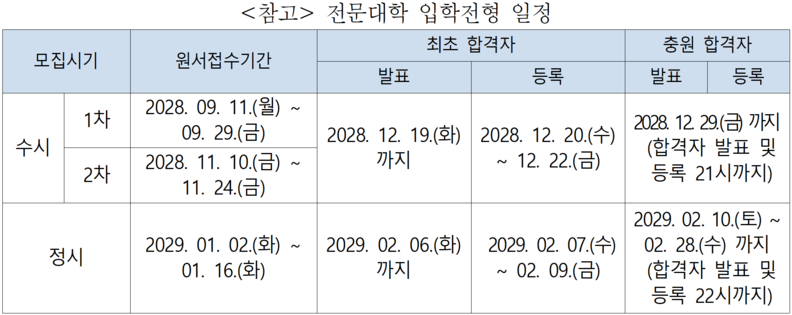
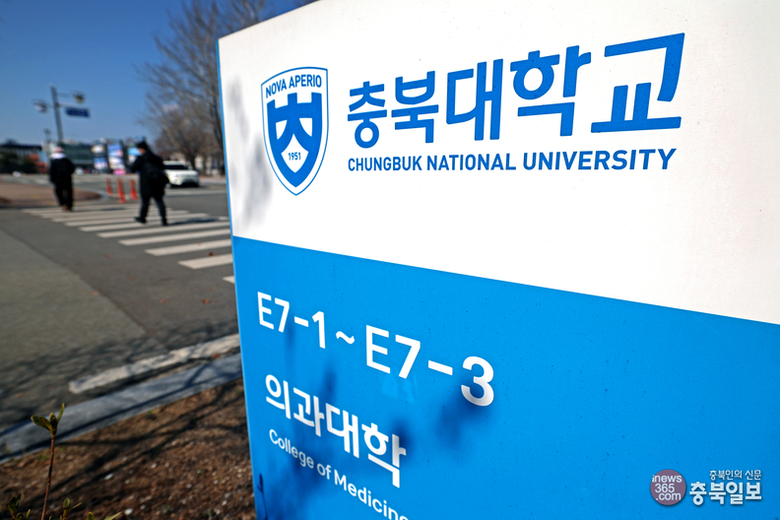
한국전문대학교육협의회가 2029학년도부터 '정원 외 특성화고 졸업자 특별전형'을 신설하며 전문대 입시 구조가 개편됩니다. 또한, 2027학년도 지방 국립대 등록금 전액 지원 정책이 본격화되면서 비수도권 대학 지원율이 5년 내 최고치를 기록하는 등 수험생들의 '인서울' 선호도가 변화하고 있습니다.
2027학년도 대학입학 수시모집 원서접수가 9월 7일부터 시작되며, 전체 모집인원의 80% 이상을 수시에서 선발한다. 교육부는 2027년부터 지방 국립대 신입생 등록금 전액 지원 및 현장실습 기회 확대를 골자로 한 청년 지원정책을 추진한다. 2026년 9월 전국연합학력평가(고1)의 국어·수학 등급컷이 EBSi를 통해 공개되어 수험생들의 성적 분석이 한창이다.

한국대학교육협의회가 '2029학년도 대학입학전형기본사항'을 확정 발표하며 고교학점제 도입에 따른 입시 변화를 예고했습니다. 교육부와 한국교육개발원은 2026년 학생 통계에서 다문화 학생 수가 역대 최대치를 기록했다고 밝혔으며, 지방국립대 등록금 무료화 추진으로 수도권 사립대의 입시 경쟁 구도 변화가 예상됩니다.
2027학년도 수시모집 원서 접수가 한 달 앞으로 다가온 가운데, N수생들의 대거 참여로 내신 합격선이 오를 것으로 보여요. 베트남을 포함한 주변국에서는 8월부터 새로운 교육정책이 시행 중이니, 2028 대학입시제도 개편 내용과 함께 입시 흐름을 꼼꼼히 체크해 보세요.
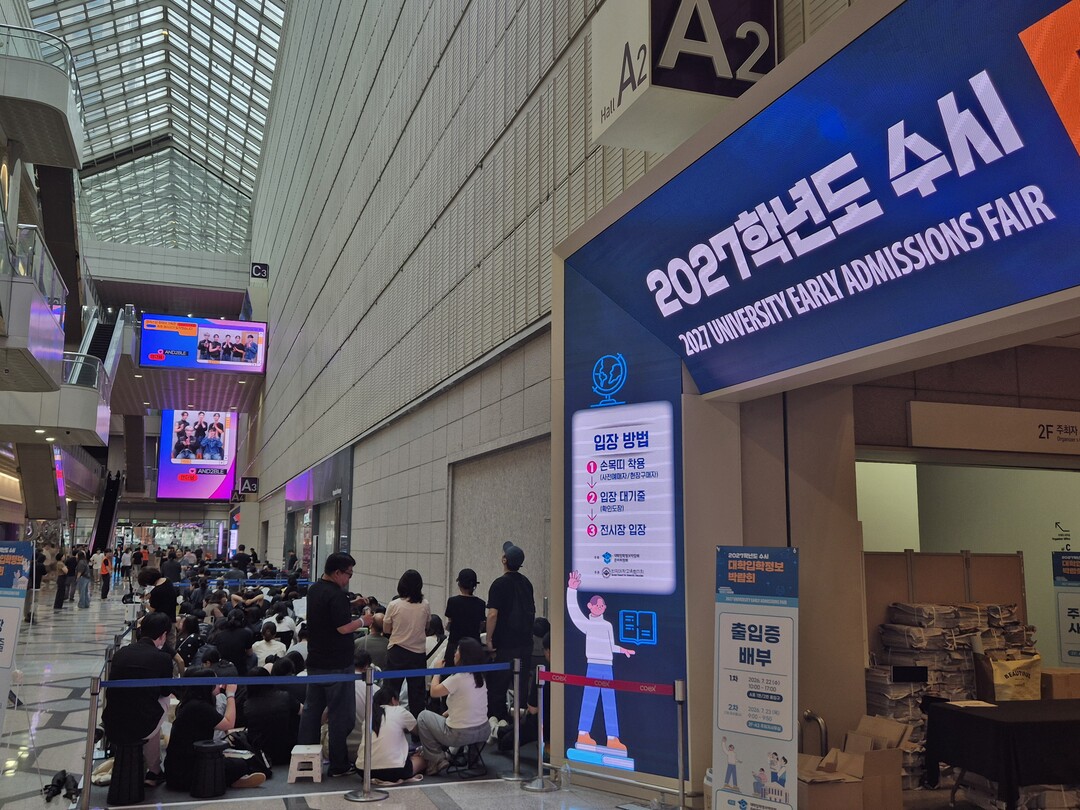
2026년 7월 23일부터 25일까지 서울 코엑스에서 열린 '2027학년도 대학 수시 박람회'에 수많은 수험생과 학부모가 몰렸습니다. 대학 입학사정관들이 직접 나서 1대 1 맞춤형 상담을 진행하며 열기를 더하고 있습니다.
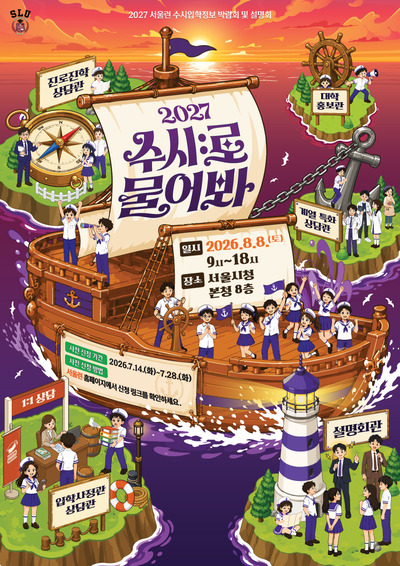
서울시가 오는 8월 8일 '2027 수시 입학 정보 박람회'를 열고 수시 지원 전략을 집중적으로 다룹니다. 올해는 기존 입시 제도의 마지막 수시인 만큼, 수시와 정시를 아우르는 전략적 접근이 매우 중요해졌습니다.
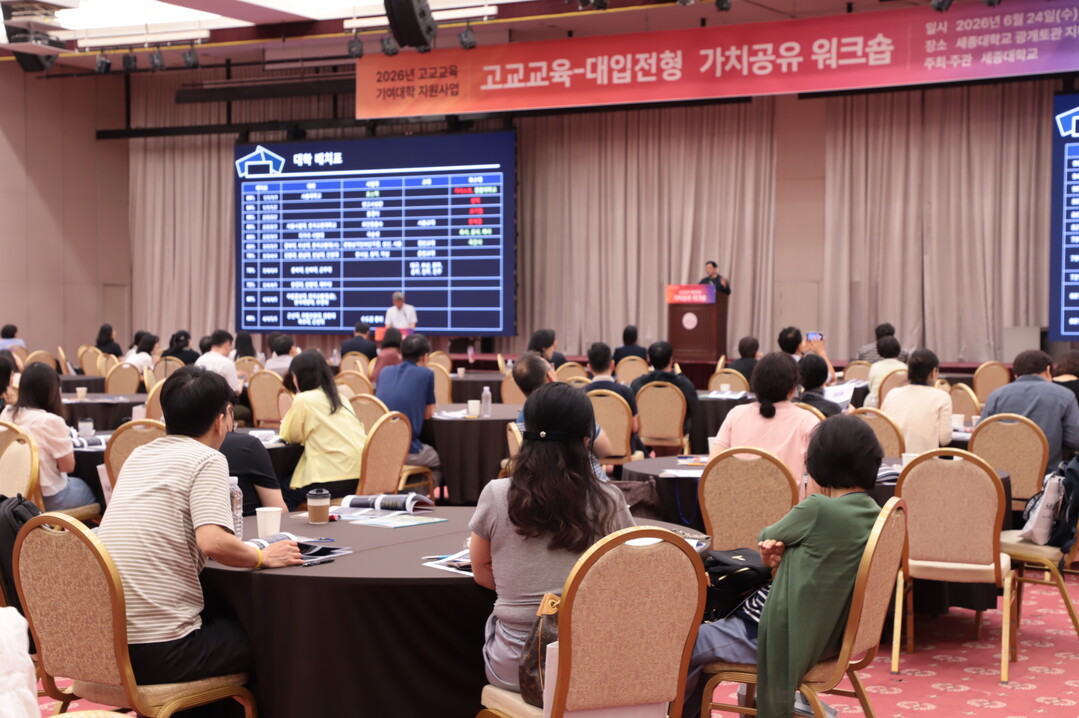
The Ministry of Education and major universities are gearing up for the 2027 academic year, with institutions like Sejong University hosting workshops to bridge the gap between high schools and colleges. Recent information sessions emphasize that students need to prepare for both early (Susi) and regular (Jeongsi) admissions simultaneously.
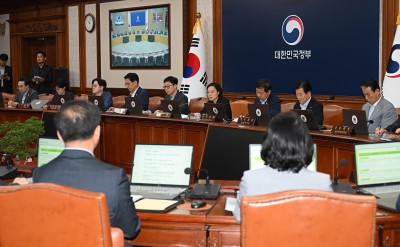
교육부가 입학사정관 청탁 등 부정행위에 대한 처벌을 강화합니다. 2026학년도 입시 데이터에 따르면 정시 지원자의 72%가 수시 불합격자인 만큼, 수시와 정시를 아우르는 통합적 입시 전략이 필수적인 시점입니다.
교육부가 입학사정관 청탁 등 부정행위 기준을 대폭 강화했어요. 특히 수시 탈락 후 정시로 유입되는 인원이 상당한 만큼, 수시 준비생들도 정시까지 고려한 입시 전략이 꼭 필요합니다.
The Ministry of Education has tightened rules on college admissions irregularities, mandating enrollment cancellation for any student found soliciting information from admissions officers. With the restricted commercial use of student records hitting the admissions consulting market, students are expected to rely more on public education. Meanwhile, the regular admissions quota for the 2026 academic year stands at 69,331, with potential increases as spots from the early decision round are transferred.
The Ministry of Education is relaxing college enrollment caps for key industries like semiconductors and AI. Meanwhile, a new amendment to the Elementary and Secondary Education Act is curbing commercial use of student records, forcing companies like Megastudy to halt consulting services. The KCUE will also host a university fair from July 23–25.
With the high school credit system and 5-grade system in place, over 10,000 first-year high school students have dropped out. The Ministry of Education disputes claims of a "GPA reset," noting the average dropout's grade is 3.7. Meanwhile, 69,331 spots are set for the 2026 regular admissions, with English absolute evaluation and standard score distribution acting as key strategic variables.

Create custom signals on any topic. AI curates and delivers 24/7.
Create SignalPowered by
