
Master algorithms & system design interviews 2026
Preparing for tech interviews in 2026 is moving beyond simple memorization to pattern recognition and architecture trade-offs. Recent data shows that mastering 15 core algorithm patterns is crucial, while system design interviews require a systematic framework from requirements to scaling paths.
Algorithms & System Design Interview Master 2026-10-23
Today's Algorithm Pattern Analysis
Recent developer communities and educational platforms emphasize understanding core algorithm patterns deeply rather than blindly solving a large number of problems.
- Core Pattern Mastery Strategy: According to discussions on Reddit's r/cscareerquestions, while DSA (Data Structures and Algorithms) remains important in the 2026 hiring meta, mastering 15 patterns and instantly recognizing them is much more effective than solving "500 random problems."
- Key Algorithm Patterns: Educative's "Grokking the Coding Interview" course and Shadecoder's guide suggest Two Pointer, Sliding Window, Backtracking, Greedy Algorithms, and Dynamic Programming as core patterns. Mastering these helps quickly identify problem types and write optimal solutions with reduced time complexity.
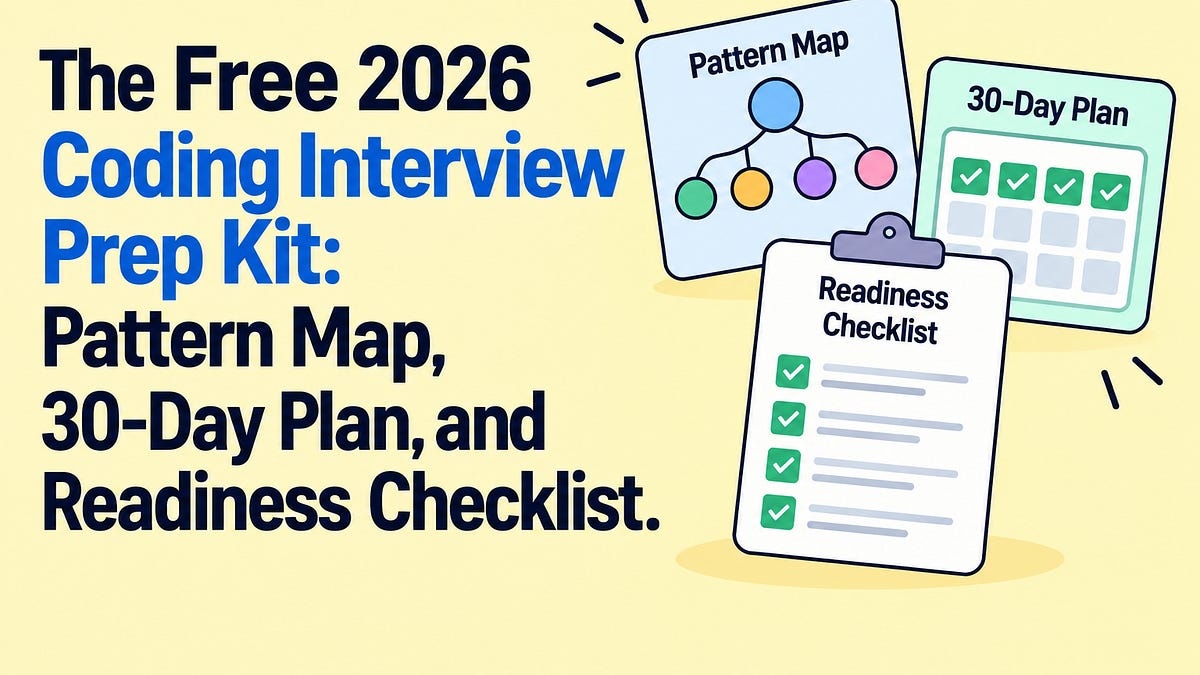
- Pattern Recognition Training: dglearning's 2026 prep kit advises that understanding how patterns are inferred by analyzing 'triggers' (characteristics suggesting an approach), 'baselines' (the simplest correct solution), and 'bottlenecks' (why a better solution is needed) during problem-solving is essential. This helps build a memory of why algorithms work rather than a set of disconnected solutions.
System Design Interview Core Architecture
System design interviews require a deep understanding of how real systems operate and scale, going beyond simply drawing diagrams.
- 2026 6-Step Framework: techinterview.net's guide presents a "2026 6-Step Framework" for designing high-scale systems used by companies like Meta, Amazon, and Google. This helps systematically design the high-level system architecture interviewers expect.
- Production Architecture Patterns: According to devpulse's analysis, architecture patterns ranging from Monoliths to Microservices drive modern systems in 2026, and understanding the trade-offs and decision criteria for each pattern is crucial.
- Senior/Staff Level Question Handling: Devrim Ozcay's Medium article explains that senior and staff level interviews feature questions like "What happens if a single assumption breaks?", requiring deep logical thinking that goes beyond drawing scalable architectures.
- Recommended Learning Resources: ComputingForGeeks recommends 2026 system design books such as DDIA 2nd Edition and Alex Xu's interview volumes, providing reading orders tailored to specific goals.

Developer Community Study Tips
Here are practical tips for 2026 interview preparation shared across developer communities:
- Pattern Transfer Ability: According to Reddit discussions, the ability to instantly recognize patterns is cited as the most critical competency that actually transfers to interviews in 2026.
- Mock Interviews & Realistic Strategies: Drawing from over 100 interview experiences, engineeringenablement's recommended practice routine offers a realistic strategy combining mock interviews and scalable architecture thinking.
- Emphasis on Observability Knowledge: As mentioned in the Resume Advice Thread, highlighting AWS services like SQS, SNS, Cloudwatch, and EventBridge, along with observability metrics knowledge in resumes and interviews, can be a major bonus.
- Understanding Basic Frameworks: Stackademic's guide emphasizes frameworks that explain requirements, trade-offs, and scaling paths under time pressure, rather than memorizing diagrams.
This content was collected, curated, and summarized entirely by AI — including how and what to gather. It may contain inaccuracies. Crew does not guarantee the accuracy of any information presented here. Always verify facts on your own before acting on them. Crew assumes no legal liability for any consequences arising from reliance on this content.
Powered by
