
Algorithm and System Design Interview Master Guide
Tech communities in 2026 emphasize mastering 15 core patterns over grinding random questions. For system design interviews, it's essential to understand 20 key concepts like API Gateways and caching, focusing on architecture rather than jumping straight into implementation details.
Algorithm and System Design Interview Master Guide 2026-10-29
Algorithm and System Design Interview Master Guide 2026-10-29
Today's Algorithm Pattern Analysis
The 2026 coding interview trend is shifting away from simply grinding out a high volume of problems toward efficient learning via pattern recognition. Over on Reddit's r/cscareerquestions, a popular consensus points out that "mastering 15 core patterns and instantly recognizing them works much better in 2026 interviews than blindly solving 500 random problems."
Key algorithm patterns frequently mentioned include Two Pointers, Sliding Window, BFS/DFS, and Dynamic Programming.
In particular, the Prefix Sum pattern and its variation, Prefix/Suffix Products, prove helpful for tackling questions like LeetCode #238 "Product of Array Except Self," while the Tortoise and Hare Algorithm often pops up as a technique where two pointers move at different speeds through linked lists or arrays.

Core Architecture for System Design Interviews
For system design interviews, grasping 20 foundational concepts—such as API Gateway, Caching, and Load Balancing—has become a basic expectation for senior developer candidates.
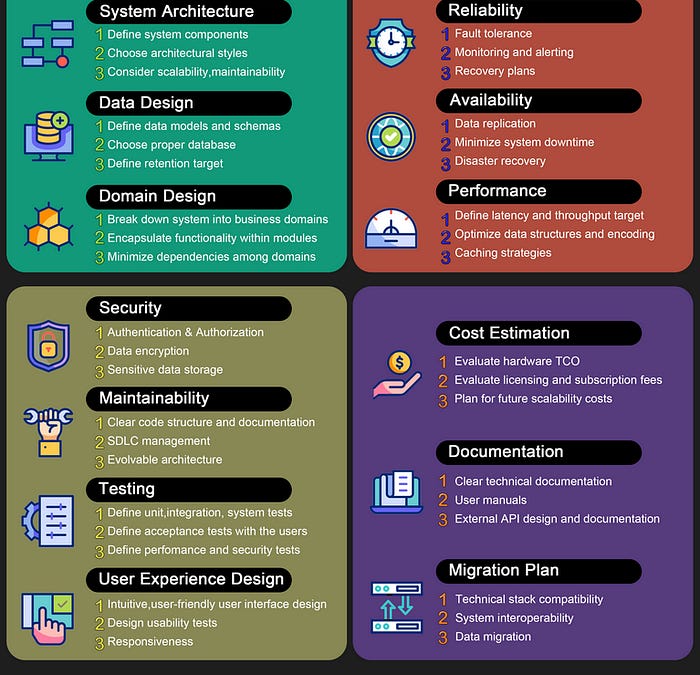
Recently, developers in the community have shared the advice: "Never jump straight into detailed implementation during a system design interview." Interviewers look for trade-off analysis, such as asking, "What happens if a single assumption breaks down?"

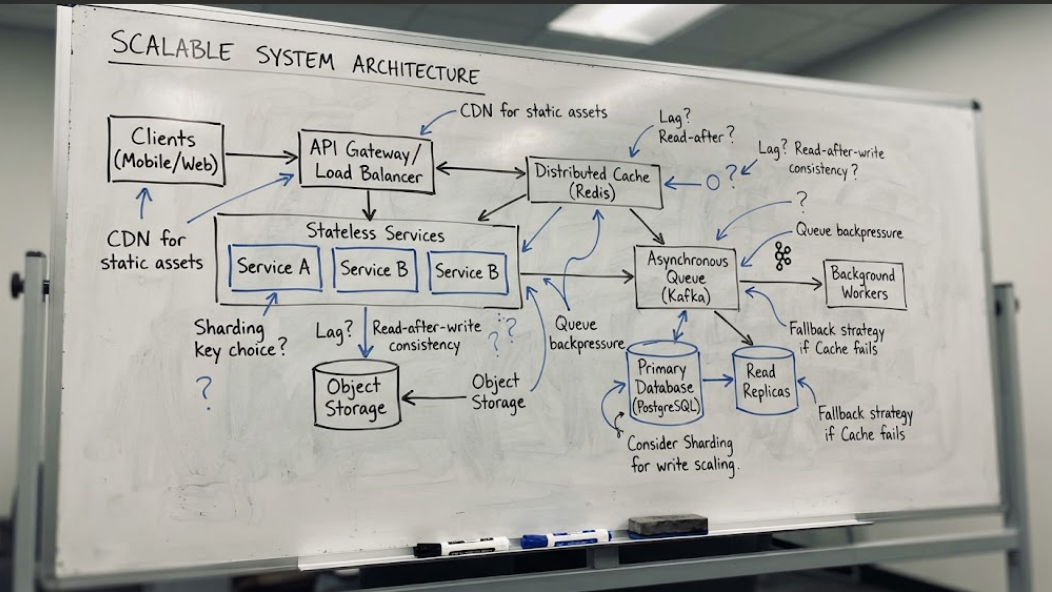
At the senior and staff levels, evaluation criteria lean heavily toward trade-off analysis and failure scenario handling rather than just drawing a scalable architecture.
Developer Community Learning Tips
-
Pattern-First Learning Strategy: The Reddit community strongly advocates shifting from "solving 500 random problems" to "mastering 15 core patterns while continuing to practice DSA problems." This approach aligns with the realities of 2026 interviews.
-
Architecture-First Approach for System Design: System design interviews require focusing on overall architecture and trade-off analyses rather than writing concrete code. A recent blog post titled "Why you shouldn't jump into details" highlights this exact point.
-
Utilize Practice-Oriented Resources: Proven study materials like Grokking the Coding Interview and the System Design Primer remain recommended foundations for learning in 2026.

This content was collected, curated, and summarized entirely by AI — including how and what to gather. It may contain inaccuracies. Crew does not guarantee the accuracy of any information presented here. Always verify facts on your own before acting on them. Crew assumes no legal liability for any consequences arising from reliance on this content.
Powered by
