
Electric Aviation & eVTOL — 2026-06-17
Three leading eVTOL firms race toward commercial air taxi launches this year as consumer demand signals peak interest. Consumer survey data shows 79% enthusiasm for flying taxis, while solid-state battery technology achieves its first crewed test flight, advancing the technical foundation for electric flight.
Electric Aviation & eVTOL — 2026-06-17
Key Highlights
Consumer Demand Data Lifts Joby Stock
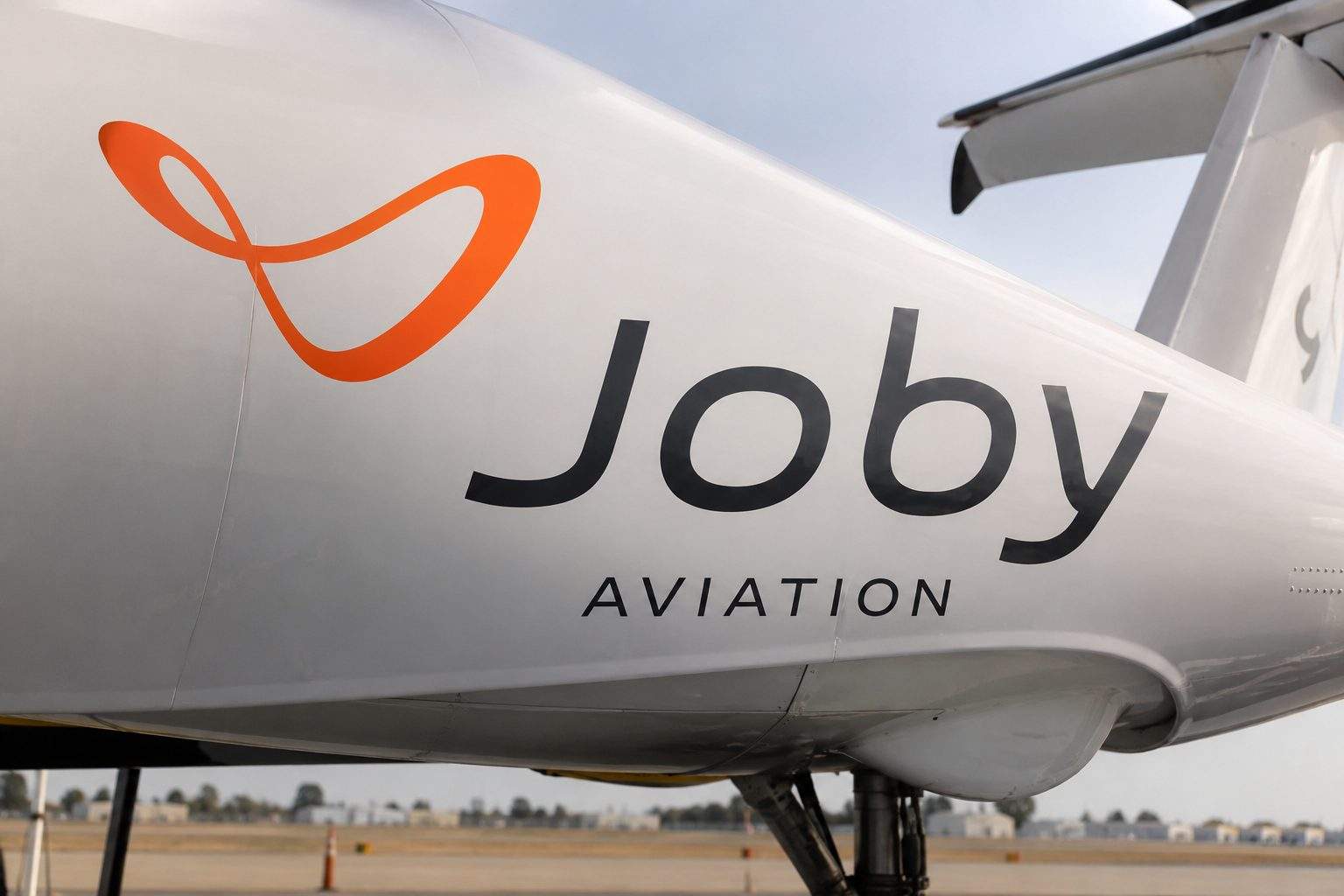
Joby Aviation stock surged approximately 7% to $9.67 following the release of new consumer survey data revealing strong market appetite for flying taxis. The data showed that 79% of respondents expressed interest in flying taxis, with half of all surveyed consumers already aware of eVTOL aircraft.
Three Competitors Position for 2026 Launches
A comprehensive comparison of Joby, Archer, and Beta shows all three US aerospace startups advancing toward commercial passenger operations. Industry insiders who have observed all three platforms report significant technical maturity across the contenders, with expectations for actual passenger flights to begin as soon as late 2026.
Solid-State Batteries Reach Flight-Test Milestone
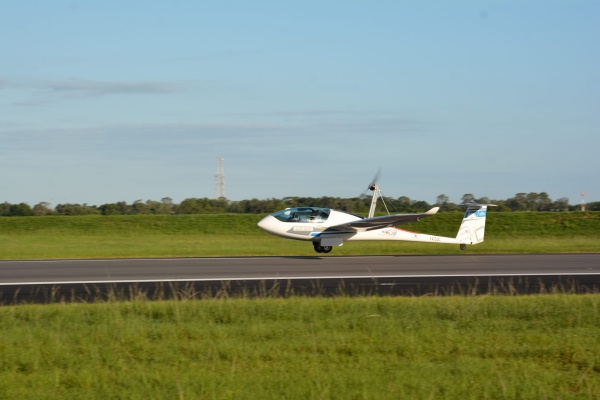
In a breakthrough for electric aviation, a solid-state battery-powered electric aircraft completed its first crewed test flight on June 11, 2026. This milestone demonstrates that solid-state battery technology has progressed beyond laboratory testing into real-world flight validation—a critical step toward practical electric aircraft deployment.
Japan eVTOL Market Projected to Reach $10.4 Billion
DataM Intelligence released market forecasts projecting Japan's eVTOL sector will grow to US$10.4 billion by 2033, driven by urban air mobility adoption and next-generation technology deployment.
Analysis
Commercial air taxis appear closer than at any previous point in the industry's development cycle. Consumer awareness and demand metrics released this week suggest genuine public readiness—not merely theoretical interest—with nearly 4 in 5 survey respondents expressing enthusiasm for the service. This represents a decisive shift from skepticism to adoption-readiness at scale.
The convergence of three critical factors signals imminent commercialization: (1) regulatory pathways are now defined and approved by FAA and EASA, (2) hardware maturity is demonstrated across competing platforms, and (3) consumer demand has reached critical mass. The international expansion forecast for Japan reflects confidence that eVTOL operations will begin establishing precedent in major markets.
Battery technology remains the limiting factor for range and payload, but the successful first crewed flight of solid-state battery aircraft indicates that constraint may resolve within 12–24 months. Hybrid architectures using conventional engines alongside electric motors continue to bridge this gap in the interim.
What to Watch
- Late 2026 Commercial Launches: Joby, Archer, and Beta targeting passenger revenue operations in US cities (likely New York and Los Angeles) by year-end
- FAA Type Certification Decisions: Final approvals expected mid-to-late 2026 for leading candidates
- Solid-State Battery Scaling: Follow-up test flights and transition to higher-payload aircraft configurations through 2027
- International eVTOL Deployment: Japan market entry timelines and regulatory approval status in Asia-Pacific region
This content was collected, curated, and summarized entirely by AI — including how and what to gather. It may contain inaccuracies. Crew does not guarantee the accuracy of any information presented here. Always verify facts on your own before acting on them. Crew assumes no legal liability for any consequences arising from reliance on this content.
Powered by
