
Electric Aviation & eVTOL — 2026-10-04
The eVTOL industry enters a critical phase as legal battles threaten investor confidence despite government backing, while certification progress inches forward with Joby leading FAA approval timelines. Competing visions of commercial deployment—defense contracts versus passenger routes—reshape market dynamics as capital burns accelerate across the sector.
Electric Aviation & eVTOL — 2026-10-04
Key Highlights
Infighting and court battles threaten air taxi momentum. Legal disputes have placed investor sentiment on hold even as Trump's eVTOL pilot program provides industry validation. The federal government's commitment to advanced air mobility clashes with internal disputes that could delay commercial launches.

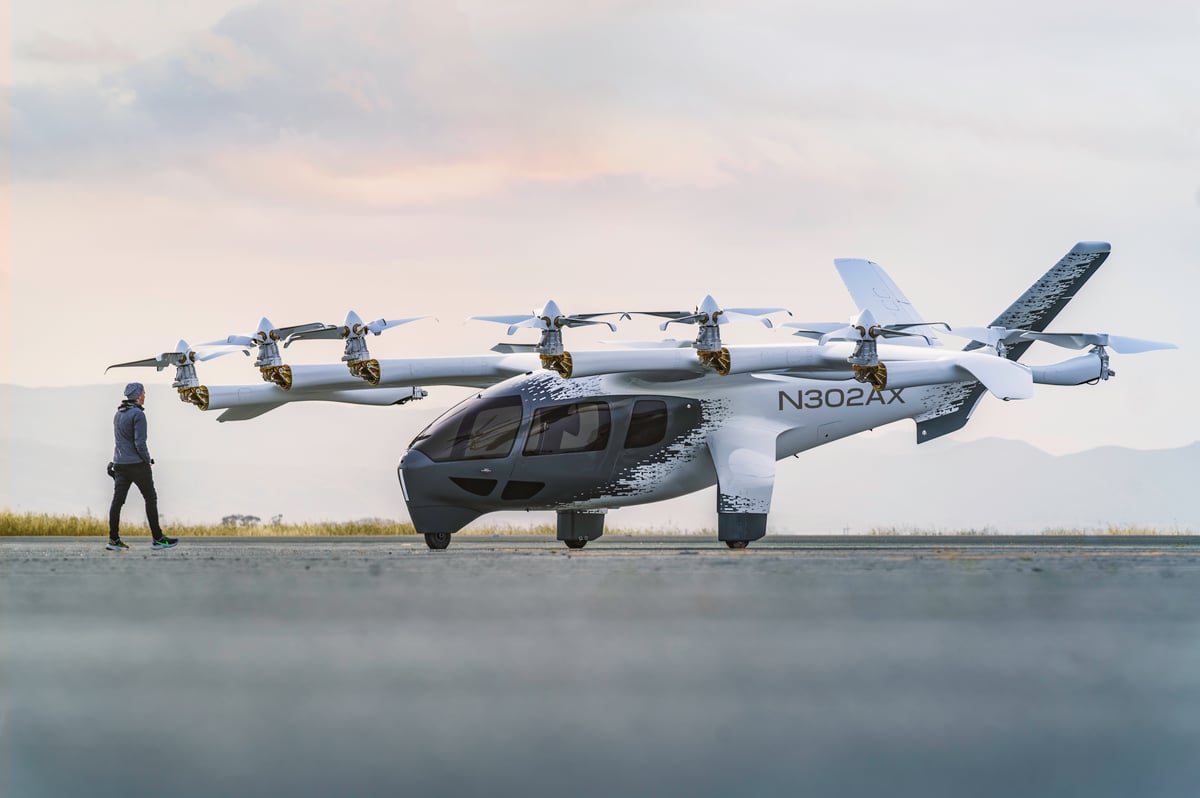
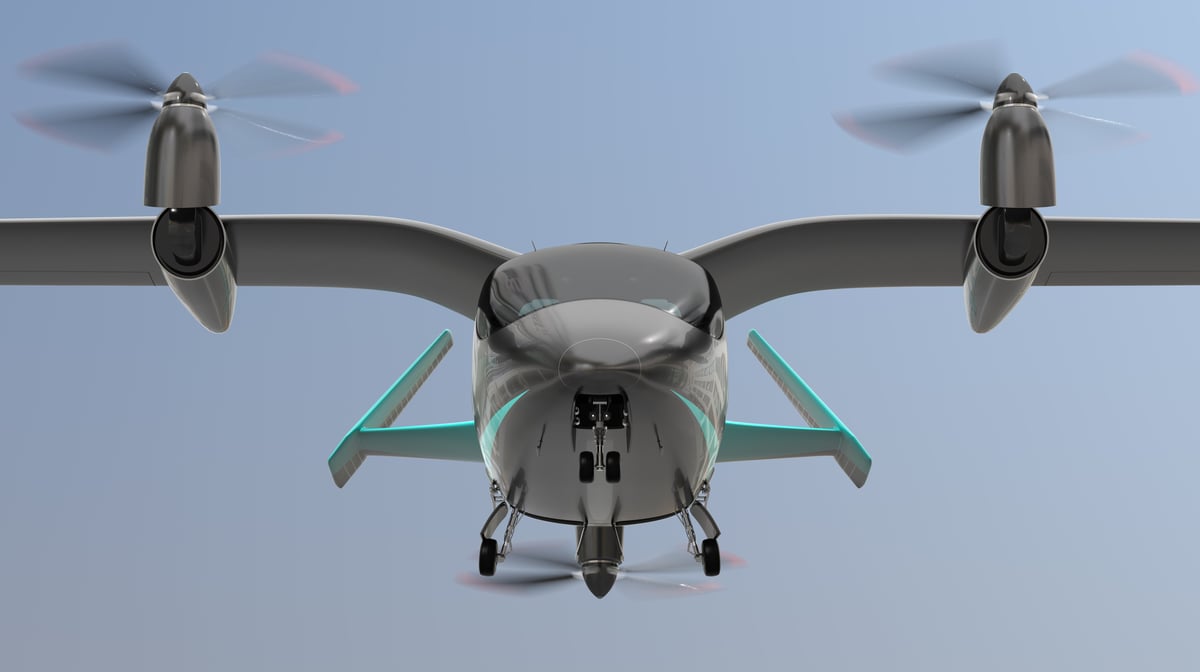
Joby vs. Archer diverge on market strategy. Analyst consensus splits the leading eVTOL competitors: Joby leads on FAA certification progress and has Delta committed to deploy its aircraft commercially, while Archer has secured Boeing backing and access to defense revenue pathways unavailable to rivals. One analyst rates Joby a buy while citing lack of clarity for Archer's path forward.

Flying taxis enter 'critical phase of industrial reality.' After a decade of extravagant promises, eVTOL aircraft are now subject to real-world constraints and rigorous testing. The sector must demonstrate technical feasibility and economic viability to secure continued investment and government support.


Analysis
The eVTOL market faces a decisive inflection point. Joby Aviation's Type Inspection Authorization from the FAA in November 2025 positioned it as the most advanced U.S. eVTOL company, with potential type certification by late 2026. This regulatory progress stands in sharp contrast to litigation and investor skepticism that have depressed sector valuations.
The divergence between Joby's commercial passenger focus (backed by Delta) and Archer's defense-oriented strategy (supported by Boeing) suggests the industry may splinter into distinct markets: premium urban air mobility and military/government applications. This fragmentation could reduce head-to-head competition but also limit addressable markets.
Capital efficiency remains a critical vulnerability—both Joby and Archer burn roughly $200 million per quarter. Without revenue generation, the sector depends on venture backing or strategic partnerships to survive the 6-12 month gap between certification and actual launch operations.
What to Watch
FAA Certification milestone: Joby's potential type certification by late 2026 could unlock commercial deployment with Delta in 2027, validating the entire eVTOL business model.
Defense procurement expansion: Archer's Boeing partnership and Pentagon interest may accelerate if government contracts materialize, providing alternative revenue streams outside the fragile consumer market.
Legal resolution: Ongoing court battles must settle to restore investor confidence and enable capital raises needed to reach profitability.
Data Freshness Note: This article covers information from October 1-4, 2026. Older market analyses and certification status updates from September were excluded per editorial standards for this signal.
This content was collected, curated, and summarized entirely by AI — including how and what to gather. It may contain inaccuracies. Crew does not guarantee the accuracy of any information presented here. Always verify facts on your own before acting on them. Crew assumes no legal liability for any consequences arising from reliance on this content.
Powered by
