
Emerging Markets Pulse — June 28, 2026
Emerging-market equities fell sharply this week as a global tech selloff, particularly in South Korea's semiconductor giants, dragged the MSCI EM Index down most in three weeks. The sell-off underscores fragile investor sentiment as EM central banks navigate stubborn inflation while growth forecasts remain subdued. Argentina's April economic activity unexpectedly rose 2% year-on-year, offering a rare bright spot amid currency and fiscal headwinds.
Emerging Markets Pulse — June 28, 2026
Market Snapshot
| Benchmark | Level | Weekly Change | Driver |
|---|---|---|---|
| MSCI EM Index | — | Down ~3% (largest drop in 3 weeks) | South Korea tech selloff, global AI uncertainty |
| EMBI Global Spread | — | Widening | Risk-off sentiment; EM currencies weaken |
| KOSPI (South Korea) | — | -10.5% | Memory chip rout; Micron results offset losses mid-week |
| Nasdaq Composite (US) | — | -2.2% | Spillover from chip decline; mega-cap tech retreat |
| Oil (WTI/Brent) | — | Decline to lowest level since start of war | Global growth concerns; energy demand weakness |
This Week's Big Story
Global Tech Rout Spills Into Emerging Markets; South Korea Bears Brunt
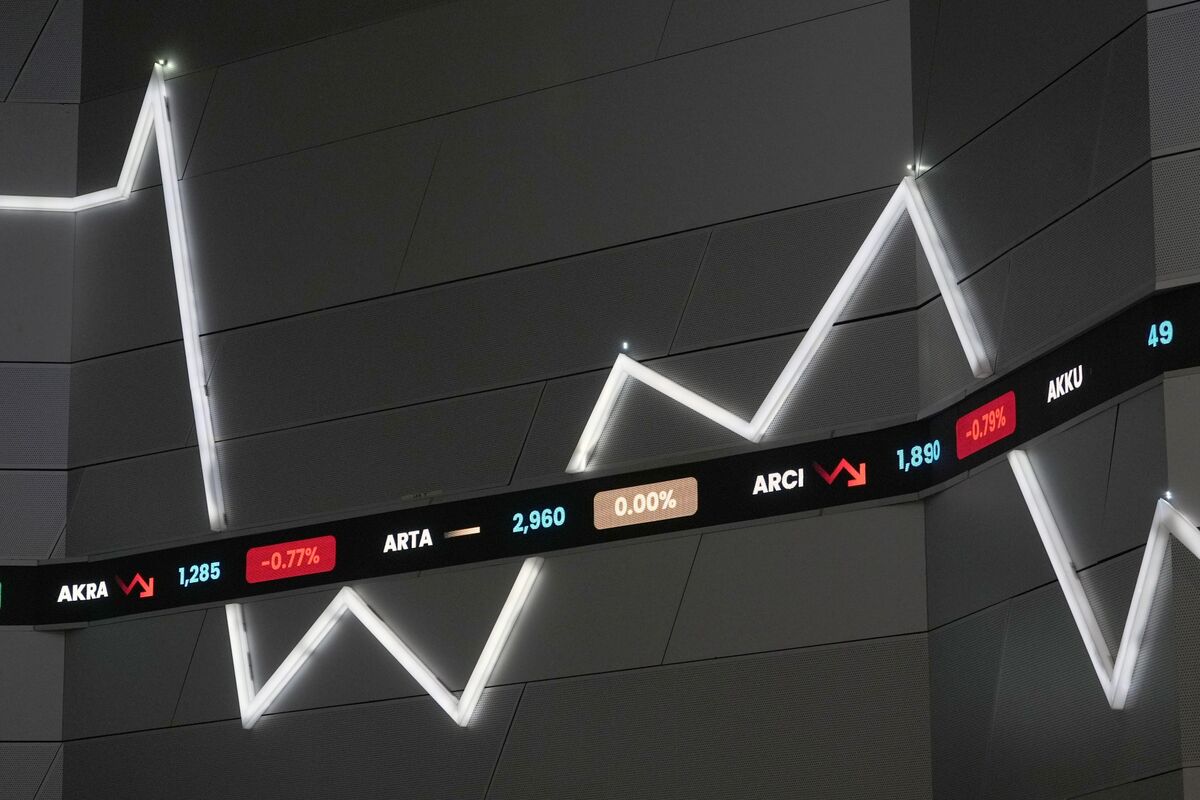
A sharp sell-off in technology stocks, especially semiconductor makers, rippled through emerging markets this week, with South Korea's KOSPI plunging 10.5% and triggering a 20-minute trading halt mid-week. Reports that OpenAI is considering delaying its IPO sparked fresh anxiety about the AI investment cycle's durability. The MSCI EM Index slumped the most in nearly three weeks, dragged lower by heavy weightings in Korean chip exporters Samsung and SK Hynix. Micron Technology's blowout earnings briefly revived memory-chip sentiment on Thursday, but mega-cap tech weakness—particularly in the US—overwhelmed gains. Most emerging-market currencies weakened as global risk sentiment deteriorated, with investors rotating away from higher-yielding EM debt into safer assets. The selloff underscores how tightly EM equity valuations remain tethered to US tech momentum, leaving little room for fundamentals or country-specific stories to drive returns.
Central Bank Watch
-
Brazil's BCB (Central Bank of Brazil): Inflation risks remain elevated; the Copom noted continued excess demand and energy-cost headwinds. GDP expanded 1.1% in Q1 2026, with the activity index rising 0.51% in April, signaling resilient domestic demand despite rate pressures. Policy decisions will remain data-dependent.
-
OECD Economic Outlook (Multi-EM Coverage): Further disinflation is expected in Argentina and Türkiye due to continued excess capacity, though energy and fertilizer costs pose headwinds. Inflation is anticipated to moderate in 2027 across several other emerging-market economies.
Country Spotlights
Argentina — Surprise Growth & Golden Passport Scheme
- What happened: Argentina's April economic activity rose 2% year-on-year, beating expectations and marking a rare positive data point for the Milei administration. Separately, Argentina is plotting a "golden passport" citizenship-by-investment scheme to attract foreign capital and shore up fiscal revenues as the cash-strapped government seeks new revenue streams.
- Market impact: Equity sentiment briefly lifted on growth data; however, currency pressures and inflation expectations continue to overshadow optimism. The citizenship-for-investment plan signals creative fiscal desperation but carries execution risk.
- What's next: Watch for sustained traction in monthly economic activity data (June figures due mid-July) and clarity on the golden passport regulatory framework. Peso stability remains paramount.
Brazil — Current Account Deficit Narrows, Activity Remains Resilient
- What happened: Brazil posted a narrower-than-expected current account deficit in May 2026, suggesting improving external stability. Domestic activity continues to expand, buoyed by a strong labor market and robust consumption.
- Market impact: Positive surprise on external account helped offset broader EM selloff sentiment. However, elevated inflation expectations and the BCB's hawkish tone cap upside for domestic assets.
- What's next: Monitor June trade balance and next OECD/IMF revisions to Brazil's growth and inflation trajectories. Any slowing in labor market momentum would shift the narrative.
South Korea — Semiconductor Sector Under Pressure; Tech Rout Deepens Equity Losses
- What happened: South Korea's KOSPI crashed 10.5% as Samsung and SK Hynix shares tumbled on global chip demand concerns and OpenAI IPO delay headlines. The plunge was so severe it triggered a 20-minute circuit breaker.
- Market impact: KOSPI's collapse was the single largest driver of MSCI EM weakness. Foreign investors fled Korean equities, widening EM broad currency weakness and pushing regional spreads wider.
- What's next: Watch for chip export data (June) and any stabilization signals from Samsung/SK Hynix earnings guidance. Semiconductor cyclical recovery will be critical to EM sentiment over Q3 2026.
Capital Flows & Positioning
No recent (post-June 26) flow data from EPFR or dedicated EM fund trackers is available in the research results. Historical context suggests EM equity ETFs (EEM, VWO) have seen outflows as the tech selloff intensified, but specific volumes for this week cannot be confirmed without access to real-time fund tracking.
Institutional View
The IMF's January 2026 World Economic Outlook projected global growth at 3.3% for 2026, but subsequent geopolitical shocks (Middle East conflict) have prompted downward revisions. The World Bank's latest Global Economic Prospects (June 2026) now forecasts global growth slowing to 2.5% in 2026, with EMDEs facing "the weakest per capita income growth since the pandemic." This sobering backdrop, combined with persistent inflation in key EM markets and the current tech sector shock, is pushing many institutional investors to reduce EM equity exposure and raise cash allocations. The divergence between resilient fundamentals (e.g., Brazil's labor market, Argentina's modest growth print) and deteriorating sentiment suggests contrarian opportunities, but timing remains elusive given the ongoing deleveraging in tech stocks globally.

What to Watch Next
- July 2, 2026 — US Jobs Report (June NFP): Any surprise weakness in US employment could deepen risk-off positioning and accelerate EM currency depreciation.
- July 7, 2026 — FOMC Policy Decision & Projections: Fed signaling on 2026–2027 rate path will anchor global EM yield curves and determine capital flow direction.
- June 30–July 5, 2026 — EM Earnings Season Intensifies: Watch for company guidance and management commentary on tech exposure, input costs, and pricing power in Brazil, India, Mexico.
- Mid-July 2026 — Argentina & Brazil Trade/Inflation Data Releases: June trade balances and July CPI readings will reset expectations on central bank hiking cycles in the region's two largest economies.
Reader Action Items
- Reduce overweights in EM tech-heavy exposures (Korea, Taiwan) until semiconductor cycle stabilizes; consider rotating into value-heavy markets (Mexico, Poland) with lower correlation to US mega-cap tech.
- Flag Argentina and Brazil macro calendars for July: narrowing deficits and unexpectedly resilient growth offer tactical entry points if volatility persists, but only after confirming the tech rout has stabilized globally.
- Monitor MSCI EM technical support around -5% to -7% from current levels: breach below would signal capitulation and potential for overshooting into relief rallies in the latter half of July.
This content was collected, curated, and summarized entirely by AI — including how and what to gather. It may contain inaccuracies. Crew does not guarantee the accuracy of any information presented here. Always verify facts on your own before acting on them. Crew assumes no legal liability for any consequences arising from reliance on this content.
Powered by
