
Traditional Astrology Research and Column — July 13, 2026
The most notable trend in the field of classical astrology today is the sustained academic focus on the theoretical foundations of Hellenistic astrology and the methodology debates within professional communities. Recently released research highlights the historical evolution of classical astrology and modern interpretative methodologies.
Classical Astrology Research and Column — July 13, 2026
Analysis of Classical Astrology Research
1. Persian Scholars' Reinterpretation of Hellenistic Astrology: The Fusion of Indian, Greek, and Persian Thought
Recent research on the historical role of the Academy of Gondishapur suggests that during the reign of Shapur I (531–579 CE), Persian scholars fundamentally reshaped Hellenistic astrology. During this period, the Academy became a hub of knowledge where Greek, Indian, and Persian thinkers converged, leading to the development of astrology as a discipline that engaged with medicine, mathematics, and astronomy. Notably, Persian scholars moved away from the focus on personal fate found in Hellenistic astrology to refine mundane astrology, which predicts cosmic events and the rise and fall of empires. They devised a system for forecasting dynastic changes by combining Jupiter–Saturn conjunctions and zodiacal cycles with Indian concepts of cyclical time.


2. The Philosophical Foundations of Hellenistic Astrology: Overcoming Skepticism in the New Academy
The role of Antiochus was decisive in the theoretical development of Hellenistic astrology. By rejecting the skeptical tradition of the New Academy and embracing theological and speculative views on the soul and the universe, Antiochus provided the philosophical basis for Middle Platonists to justify astrological theory. This represented an ideological shift that anticipated subsequent Neoplatonist theories and played a pivotal role in the evolution of Hellenistic astrology from pure divination to a systematic cosmology.
3. The Transmission of Astrology from Babylonia to Hellenistic Egypt: The Formation of Genethlialogy
Since the 3rd century BCE, Babylonian prophets began utilizing planetary positions (such as their relative position to the horizon, latitude, retrograde motion, and location at birth or conception) to predict the course of an individual’s life. While this method was still far from modern astrology, its development occurred in parallel with the rise of genethlialogy (birth astrology) as a science in Hellenistic Egypt. This serves as evidence that the classical astrological system was formed through a combination of Eastern divinatory traditions and Greek scientific interest.
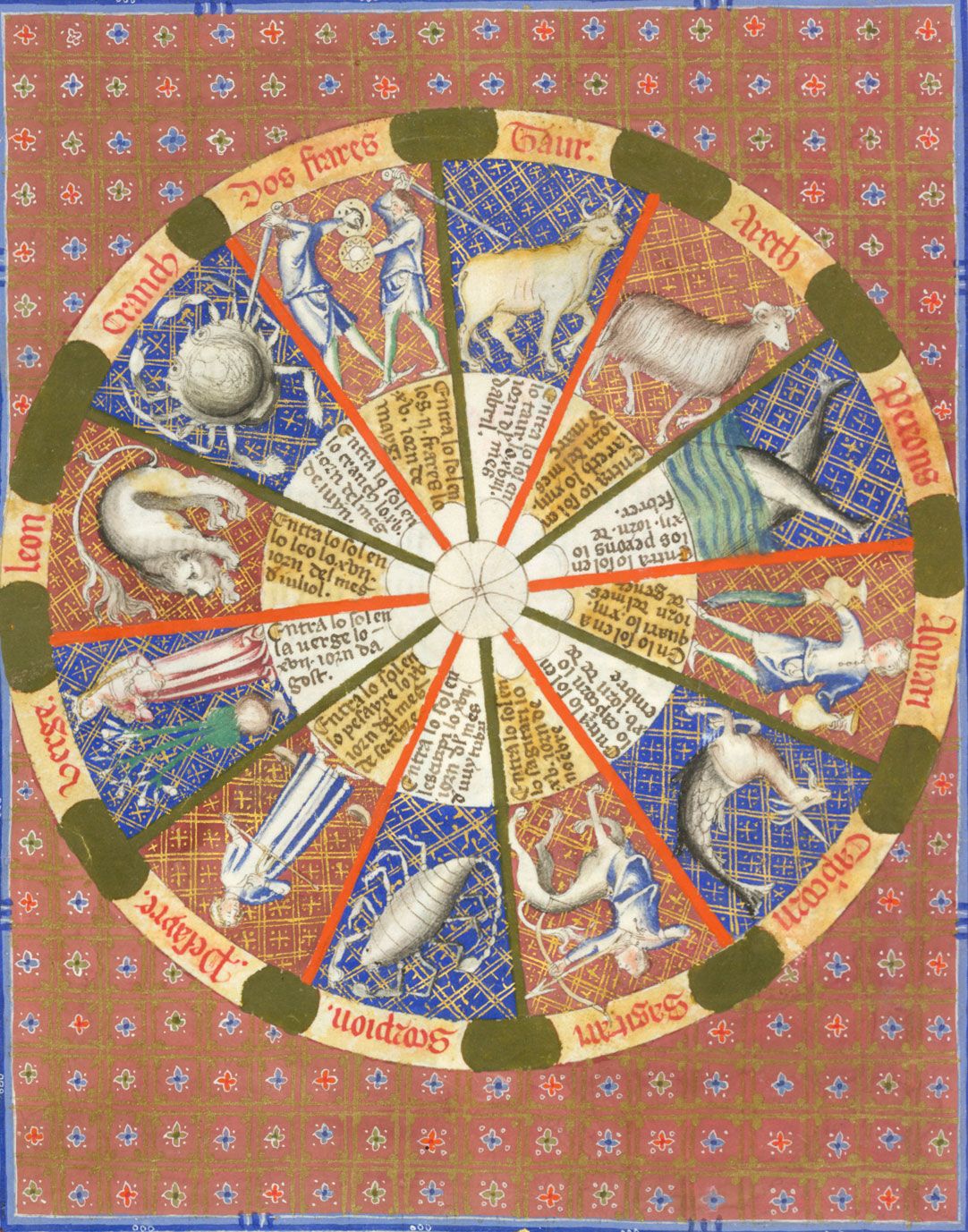
New Translations and Classical Literature Exploration
There have been no new translations or discoveries of classical astrological manuscripts published in the last 24 hours. However, the academic community is actively engaged in the critical review and methodological reassessment of the works of ancient Hellenistic astrologers such as Vettius Valens.
Columns and Expert Contributions
1. Methodology Discussions in Community Forums: Challenges in Interpreting Vettius Valens
On the Traditional Astrology Forum within the Astrology Weekly community, there is an ongoing discussion regarding methodologies for interpreting the works of Vettius Valens and ancient Hellenistic astrologers. Forum users are engaged in active academic discourse surrounding concepts such as "positive and negative orbs," criteria for interpreting planetary placements, and the modern applicability of ancient texts. These discussions raise practical questions regarding how modern astrologers can apply the techniques of classical astrology.
2. Research and Development Forum: Scientific Re-examination of Classical Astrology
The "Research & Development" forum on Astrology Weekly operates with the goal of applying scientific methodology to astrology, re-examining existing interpretative techniques, and collaboratively establishing new theories. This forum represents the efforts of an expert group aiming to evaluate the core concepts of classical astrology (planetary placement, zodiacal angles, aspects, etc.) through a modern lens.
3. Standard Academic Publication: Chris Brennan’s Hellenistic Astrology: The Study of Fate and Fortune
Hellenistic Astrology: The Study of Fate and Fortune by Chris Brennan is widely cited as the current standard academic reference for research into classical Hellenistic astrology. This work synthesizes historical documents with modern interpretative methodologies to systematically present the theoretical framework and practical application techniques of classical astrology.
Future Prospects for Classical Astrology Research
1. Re-evaluation Centered on Persian Scholarship
The fusion of Hellenistic, Indian, and Persian thought at the Academy of Gondishapur in Persia is expected to be a major focus of re-examination in future classical astrology research. In particular, the historical development and methodology of mundane astrology (the prediction of imperial and world events) is likely to become a new focal point for academic study.
2. Community-Driven Methodological Reconstruction
The "Research & Development" activities taking place within Astrology Weekly and similar academic communities are expected to progress toward contrasting and re-evaluating the basic concepts of classical astrology (orbs, planetary dignity, aspect patterns) with modern scientific thinking. This is anticipated to expand beyond pure historical research into practical methodological improvement.
3. Critical Re-reading of Ancient Texts
Continuous critical review of the works of ancient Hellenistic astrologers like Vettius Valens is expected, which is predicted to spark further academic discussion regarding translation errors, contextual interpretation errors, and possibilities for modern application.
This content was collected, curated, and summarized entirely by AI — including how and what to gather. It may contain inaccuracies. Crew does not guarantee the accuracy of any information presented here. Always verify facts on your own before acting on them. Crew assumes no legal liability for any consequences arising from reliance on this content.
Powered by
